The Weaving Women of Wadaththa
Wadaththa is a rural village where most families rely on farming as their primary source of income. With a population of just over 1,000 people across 422 households, agriculture has shaped their lives for generations, supported by an extensive irrigation scheme spanning multiple farmer organisations and covering approximately 474.5 acres.
But in recent years, farming has become more difficult. Water flow has been blocked by aquatic plants, and farming has become less reliable due to changing weather patterns. It has become increasingly harder to have economic growth to sustain their families, and for many, this means more uncertainty about the future.
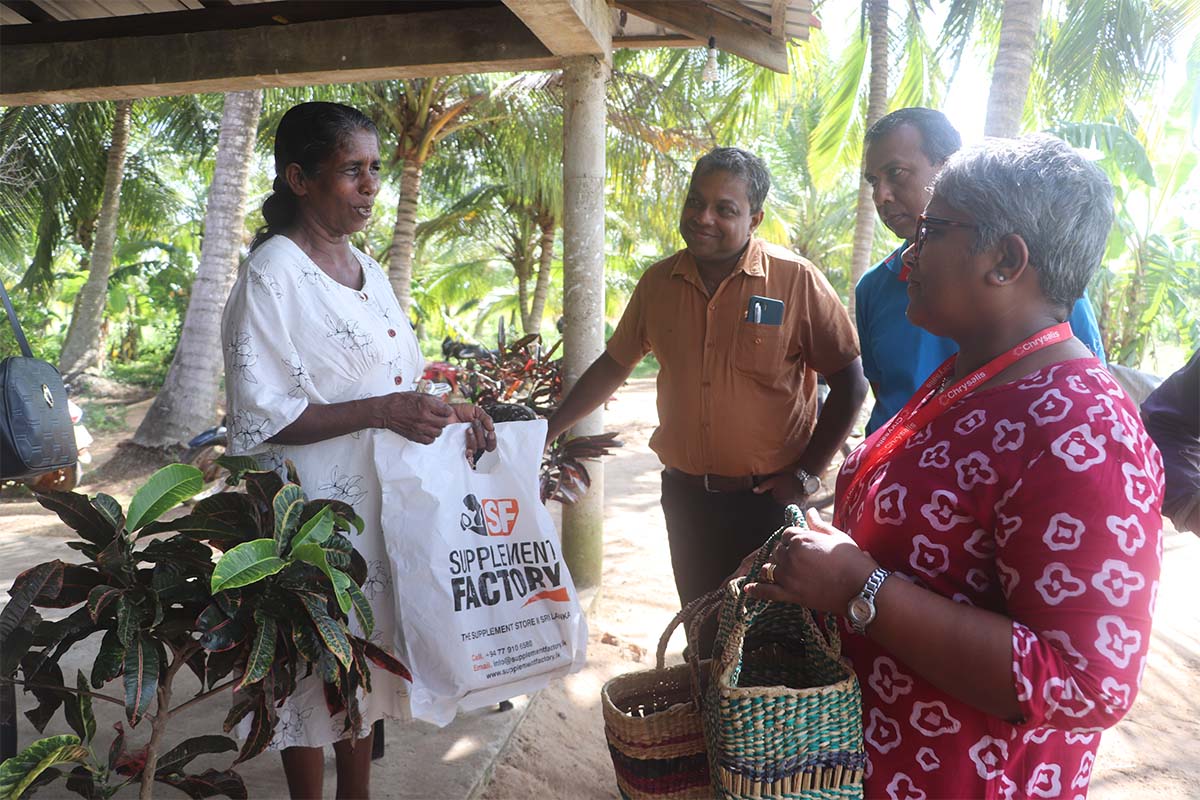
As part of broader community engagement work, a team of social mobilisers and government officers met with residents to better understand local concerns. Using Participatory Rural Appraisal (PRA) tools, the community identified several priority issues such as water blockage, unreliable harvests, and the need for alternative ways to earn a living.
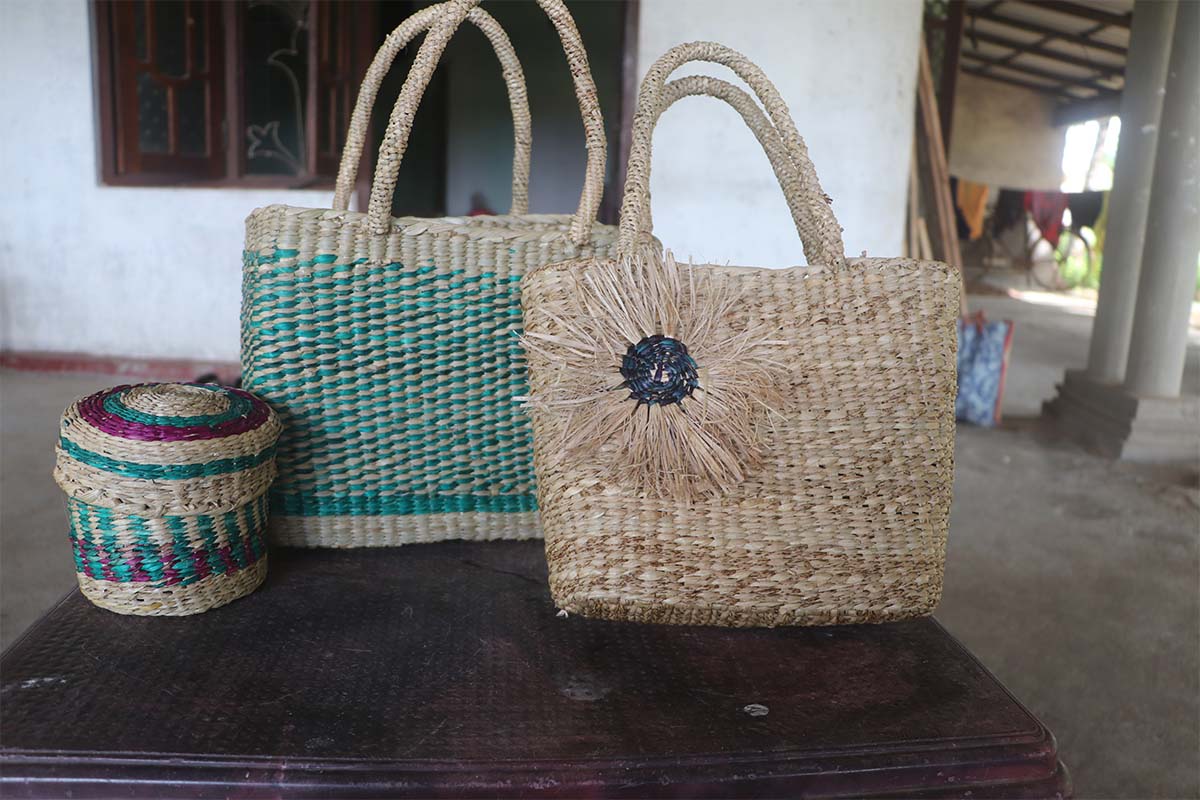
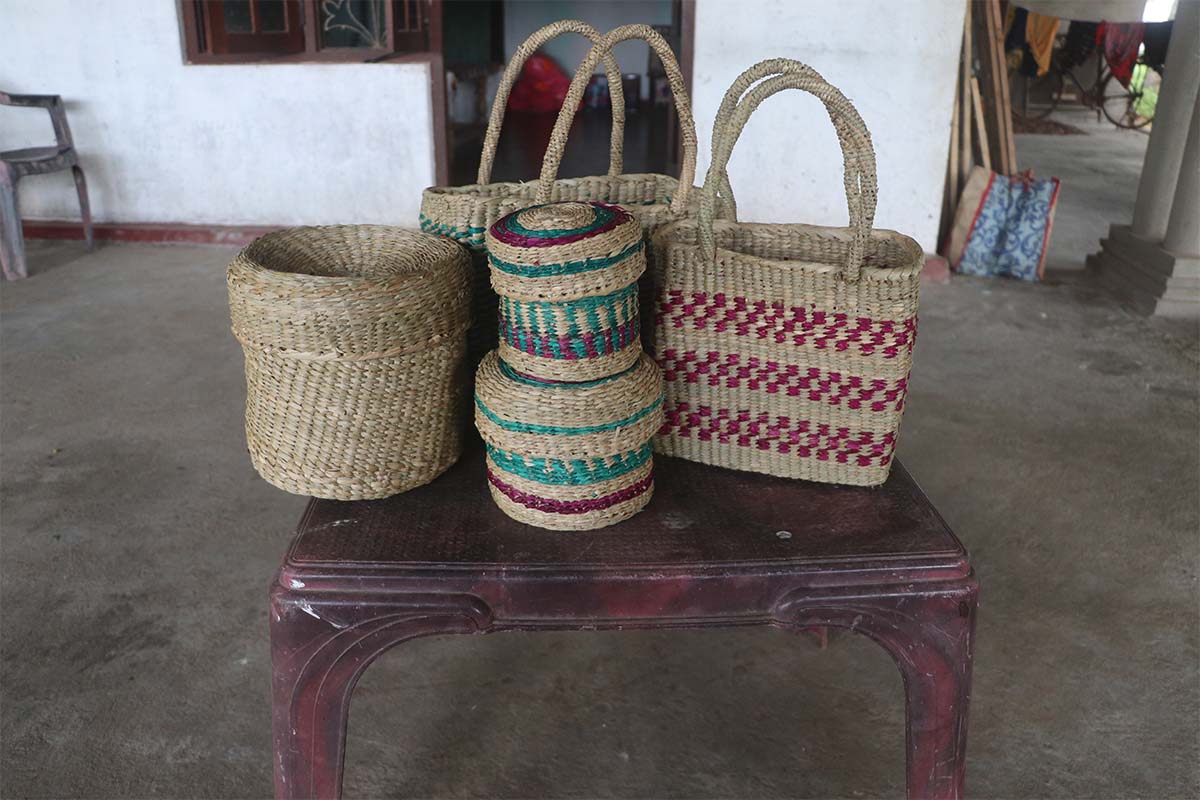
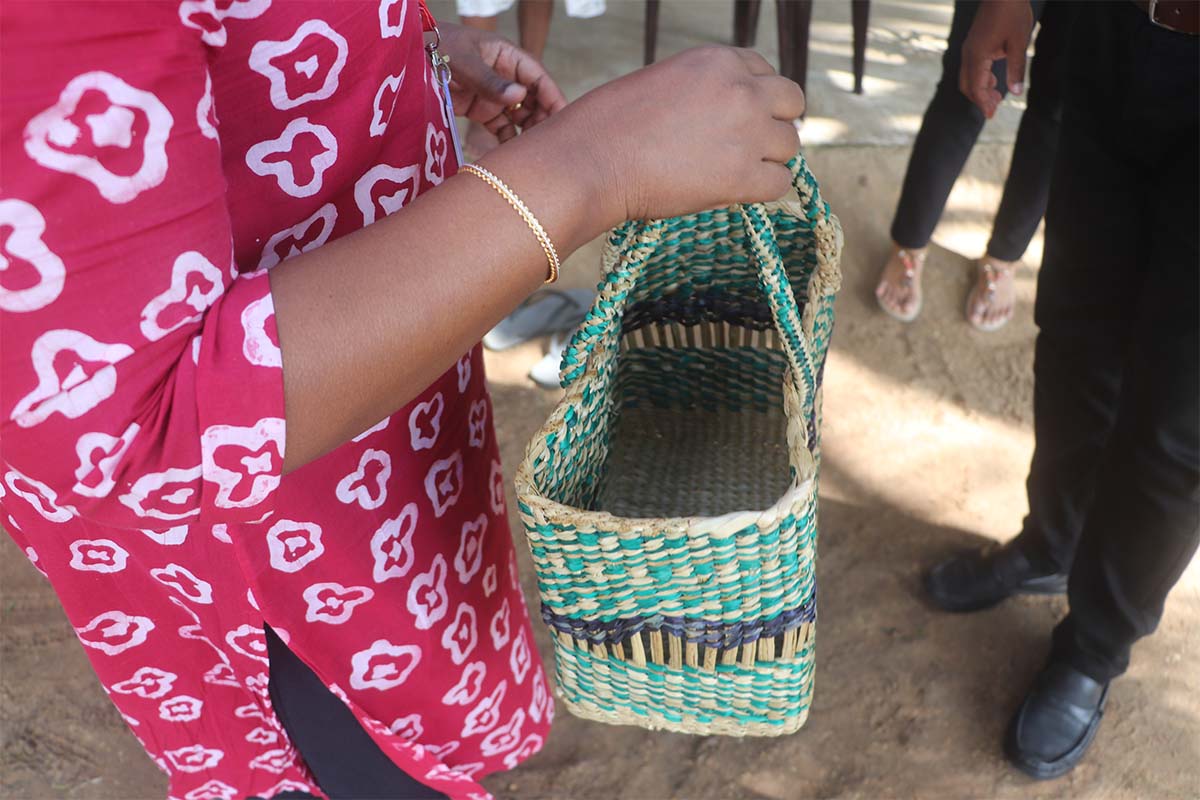
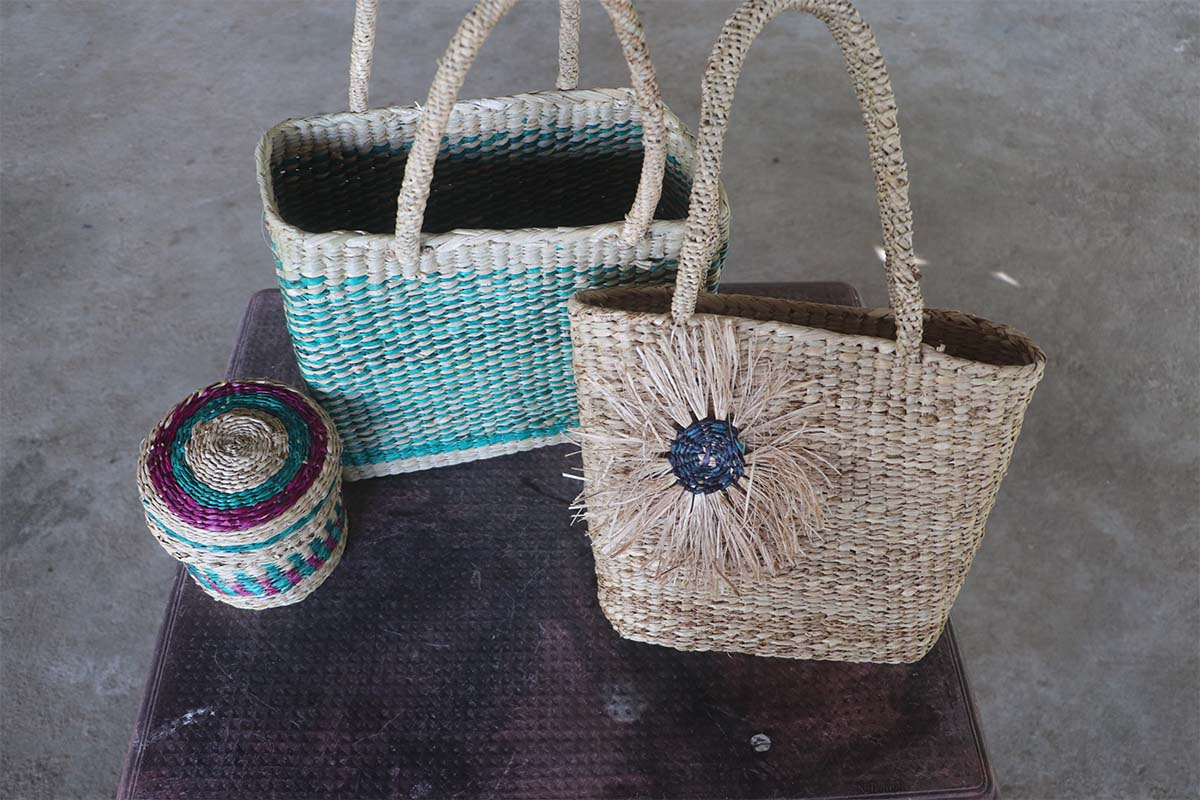
It was during these discussions that the idea of skill-based training was introduced, by the village’s Economic Development Officer. One of the options proposed was weaving with local reeds and rattan plant. It was a low-cost skill that led to small-scale income opportunities and the women expressed interest in giving it a try.
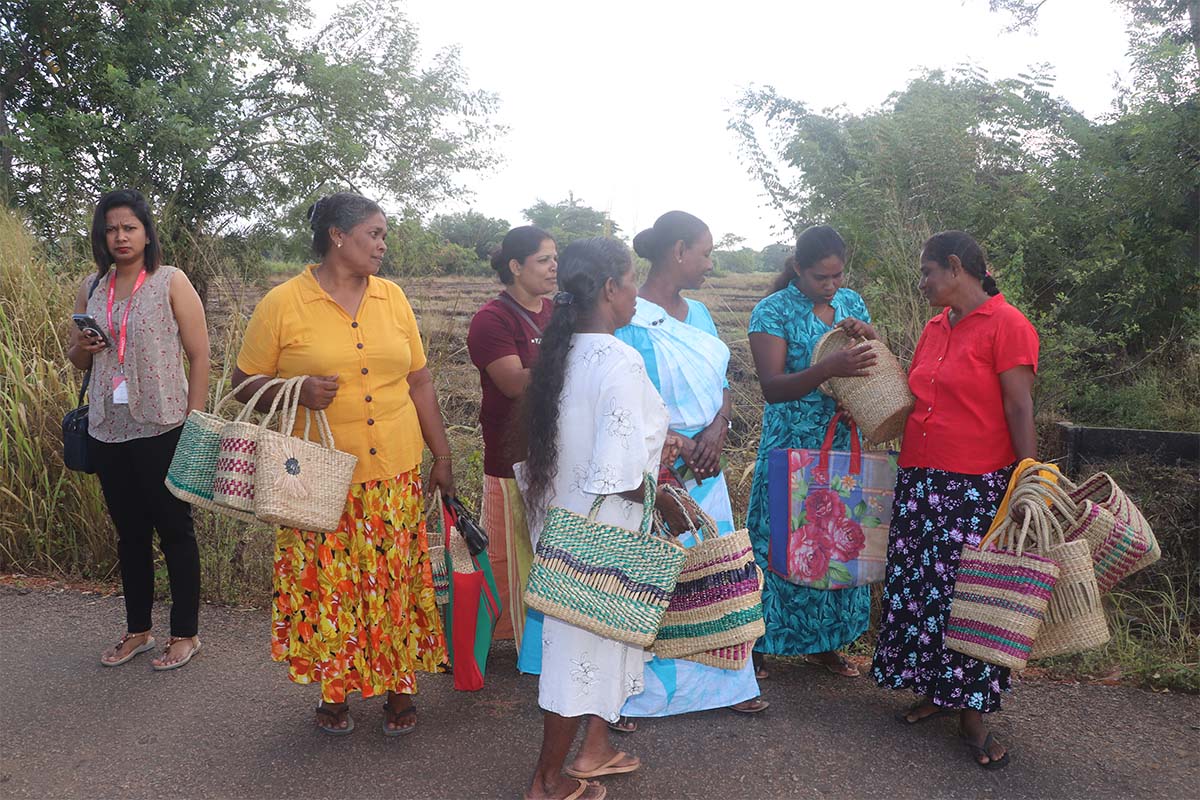
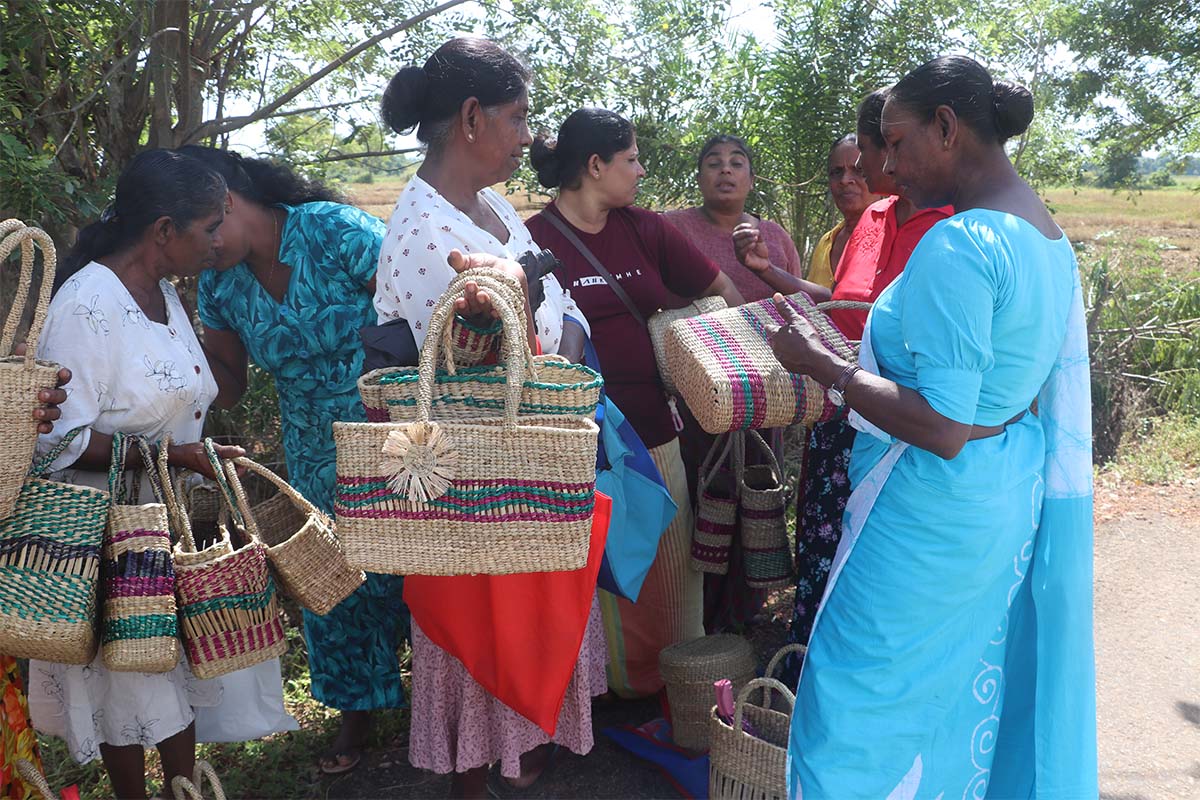
"Before this, I had never even touched a reed or rattan plant. However, through the training, we learned a great deal. Now, we’ve even received a machine to press the rattan, and it’s been beneficial for our weaving business. It’s not hard to find the raw materials. They’re available around us, and we can collect them at no cost. That helps us make a good profit from what we sell," says Anushika Madushani, a weaver from Puttalam.
For women in Wadaththa, this project offered something new. It did not promise large income, but it offered a regular activity with potential for small profit, something that fit around their existing responsibilities. It also helped them connect with others in the community in a more active way.
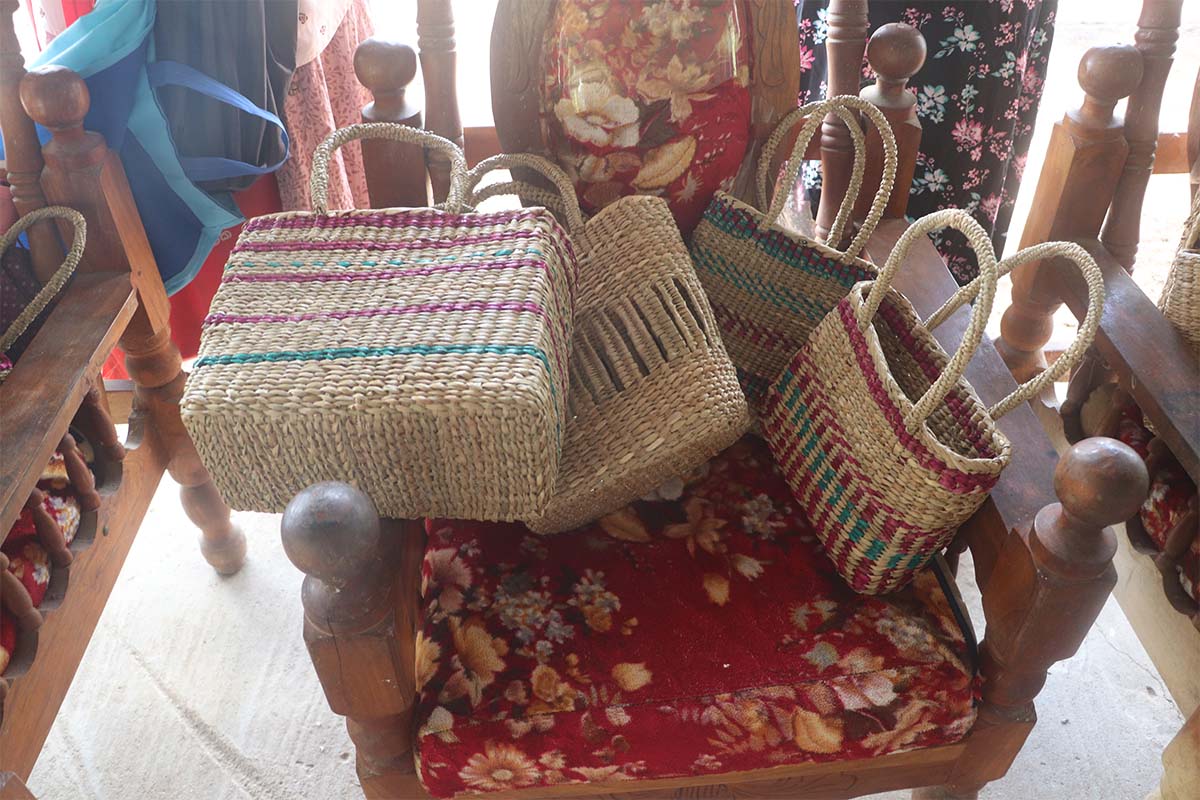
With the support of local CSOs and government officials, the training continued beyond the initial sessions, giving the women time to build skills and confidence. Moreover, they were able to use the products at home or sell them in nearby markets. But, there was a technical challenge the women came across while they were identifying what further support they needed.
The only issue we’re still facing is shaping the products properly while weaving. We need some shaping frames. That’s our most critical issue at the moment – holding the shape of their weaving as they work on it. Moreover, our trainer has helped us get consistent orders for table mats, which has been great. But if we want to go further, we need the tools to shape our products and direct access to the market. At the moment, our trainer brings in the business, and we give her a cut. It would help us a lot if we could sell directly and keep more of the profit,” tells Shyamalie.
This weaving initiative was not a result of community demand at first. However, the women of the community maintained steady participation and genuine effort to make it work for them. This shows how practical, low-cost interventions, when introduced respectfully and supported over time, can lead to real changes in daily life.
Importantly, none of this was designed as a solution to climate change. And yet, it has become part of one as it uses freely available materials. By creating alternatives to farming, the women have the ability to create economic and social support against an uncertain future. Moreover, the weaving has reshaped the way these women see their place in the community. It has also changed how the community sees them.
The women of Wadaththa didn’t ask for much. But with time, training, and trust, they’ve started building something useful for themselves and their families.