Inclusive Business
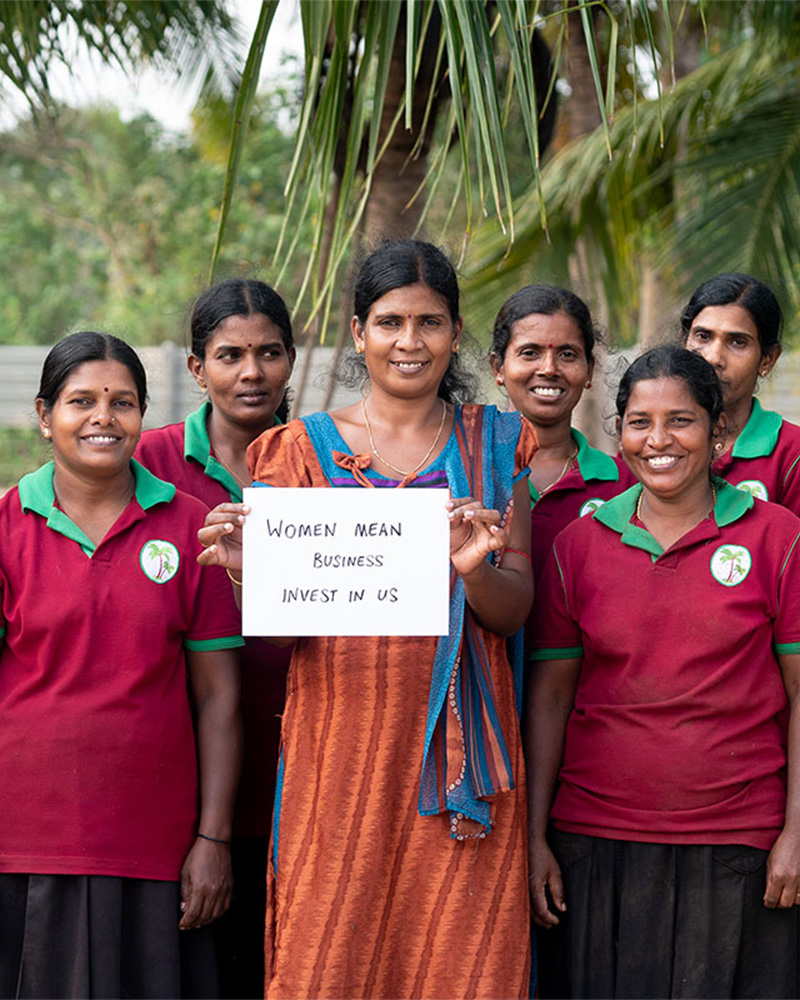
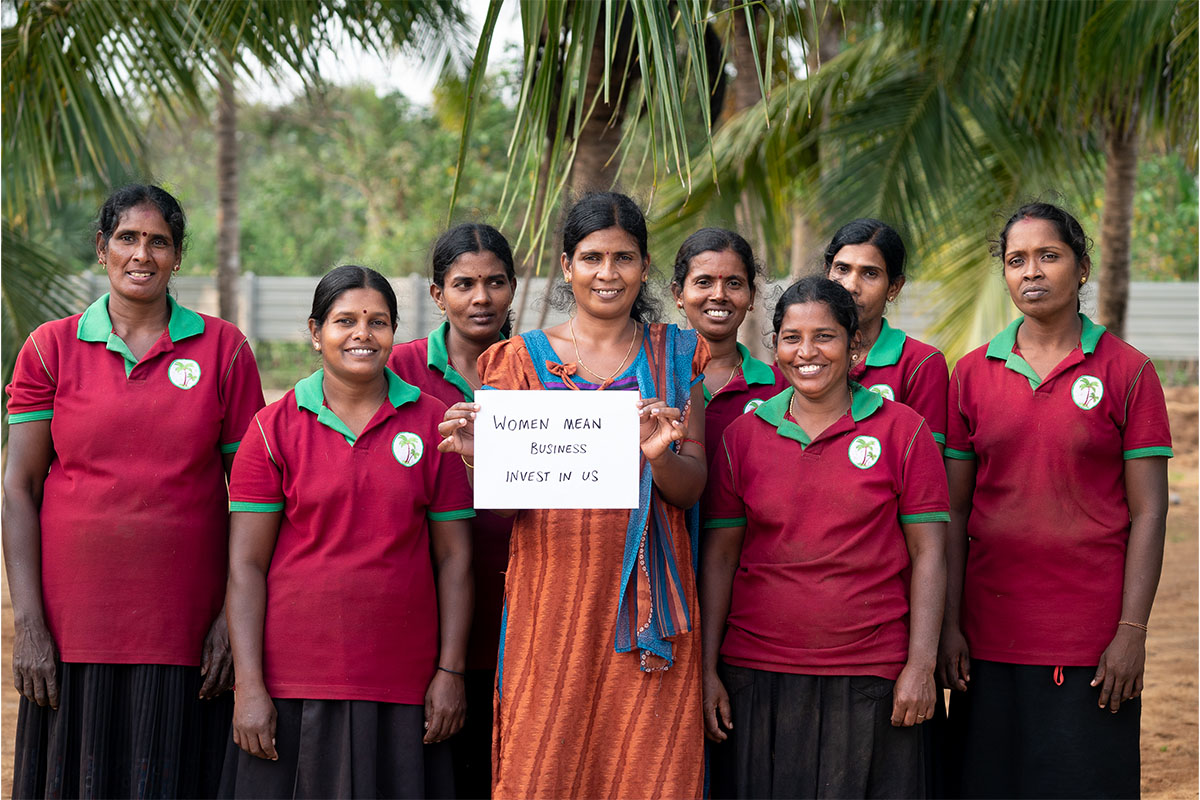
Gender inequality and other intersecting forms of discrimination obstruct and deny women’s ability to freely participate in economies, limiting their ability to own and manage businesses and earn adequate incomes or build wealth, whilst devaluing their contributions and work.
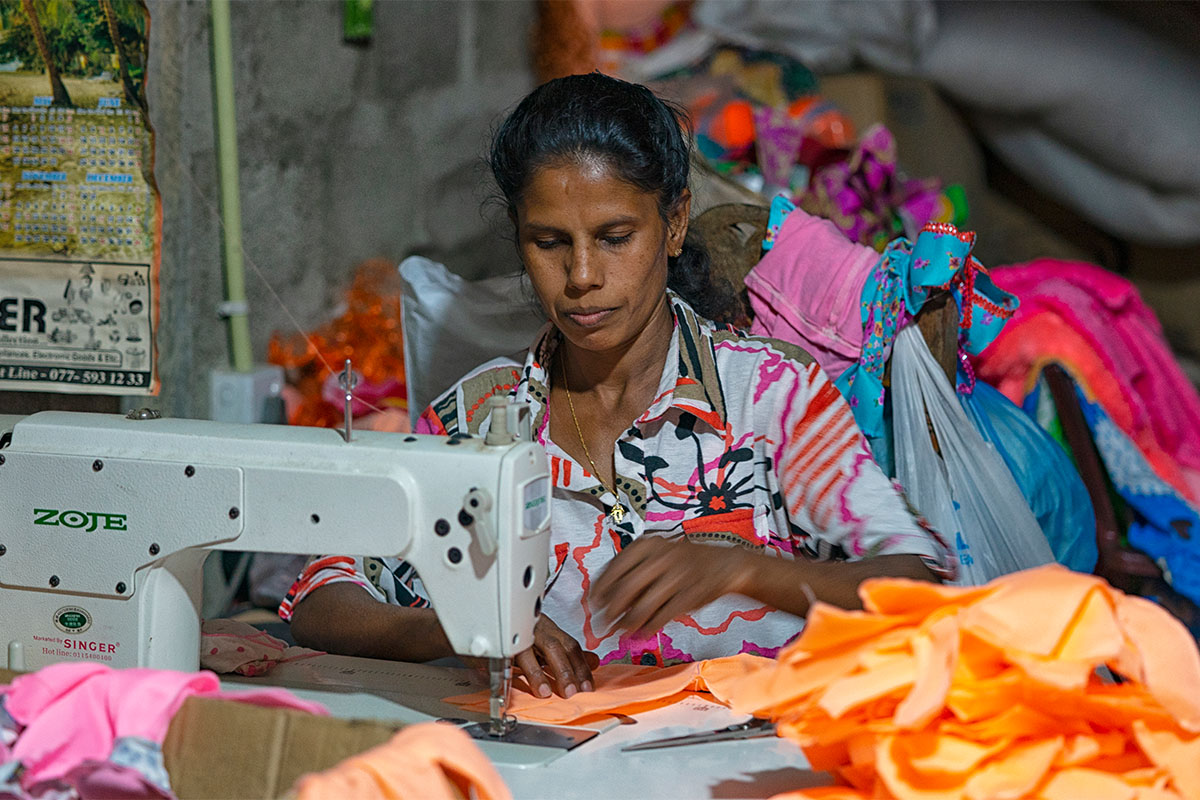
For decades in Sri Lanka, women’s labor force participation has been less than half of men, on average they earn 27% less than men for an hour’s work,3 whilst over 70% of working age women are not in the labor force because of domestic and care work4 – work that is devalued and unpaid. Occupational segregation, gender pay gap, discrimination in the recruitment process, differences in the quality of jobs available to women versus the number of such jobs, lack of business acumen among women and restrictive legislative environment, including government regulations on minimum wage, are key factors influencing female labour force participation in Sri Lanka5. Women also tend to be concentrated in low paid work, with little prospects for progression into better paying jobs. Whilst gender stereotyping on one hand devalues work women do it also restricts them to particular types of jobs or positions based on what they are perceived to be competent to do or should do. Many tend to occupy informal work, that is poorly paid, unsecure and lacking regulations, increasing the risk of abuse and exploitation. Of the one million SMEs in Sri Lanka, women only own an estimated 25%, despite providing key services and products they struggle to gain training, financing or services that respond to their specific needs, nor are they seen to be as competent in business as men6. For decades entrepreneurship has been touted as the means to eradicate poverty in Sri Lanka – especially amongst women. However discriminatory social norms and gender inequalities mean women struggle to enter labour markets and find it far more challenging to set up and run competitive and profitable businesses compared to men. While women run businesses encounter the same problems any MSME faces, overcoming these is often far more difficult for women who have less access to finances, the time, societal acceptance as credible entrepreneurs, knowledge, experience or information.
Therefore, if businesses are to be inclusive,
The structures, policies and norms that obstruct women and youth from freely accessing decent work, starting and expanding businesses and benefiting from growth, needs to be dismantled, and replaced by policies and norms that uphold and protect their rights.
Women and youth be empowered with increased access to decision making individually and in solidarity with each other, responsive services, resources, knowledge and opportunities to be able to exercise their economic rights, address and determine solutions.
Women and youth must be free from any form of gender-based violence that prevents their access to economic resources.
Chrysalis will therefore seek to work with women, youth and communities including government and market sector actors as well as civil society to promote inclusive economic growth.
Key Interventions:
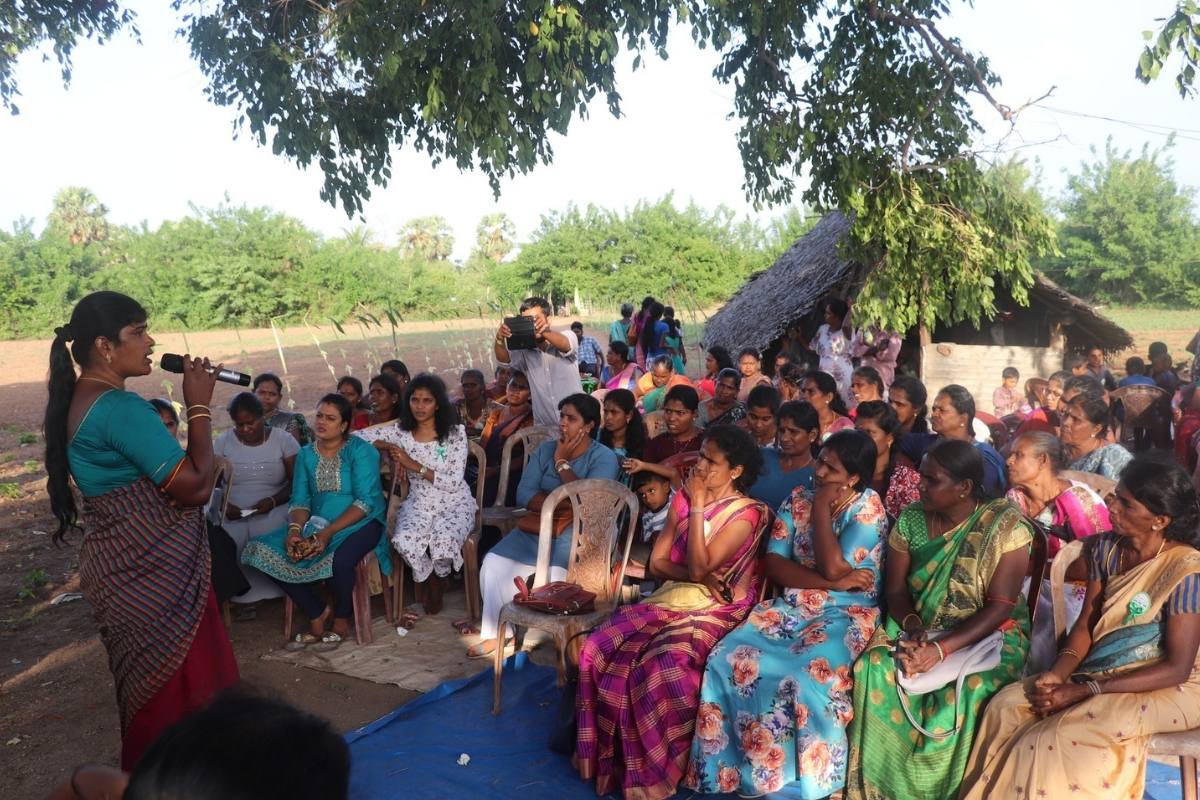
Increase the voice and participation of Women and Youth in decision-making around business development, business eco-system development and economic growth.
Create an enabling environment by addressing gendered implications of national policies and challenge discriminatory practices.
Expand women and youth employability through trainings and education.
Supporting government and market actors to improve the accessibility and responsiveness of business development and regulatory services and economic infrastructure.
Building networks and market linkages across and amongst enterprises, including business consortia.
Specifically supporting MSMEs to develop inclusive and resilient business plans, increase productivity, add value to their products and identify high-return and stable markets.
Technically supporting businesses to transform their functions into sustainable, green and digital solutions and practices.
Facilitating and supporting the improvement of productivity, diversity and inclusivity in the workplace.
Improve access and readiness to finance among MSMEs, particularly women-led MSMEs.
Enhance MSMEs' resilience by mitigating losses from diverse risks, including climate-related disasters, and facilitating access to risk transfer mechanisms.