Climate Justice
Climate justice is rooted in the recognition that climate crisis is not merely an environmental challenge but a social and political one that exacerbates existing inequalities. We recognize that while the responsibility for the crisis rests heavily on specific global actors, the devastating effects are felt disproportionately by those who contributed least to the problem. Vulnerable communities face a compounded burden: they are hit harder by climate shocks and possess fewer resources to recover.
For instance, the impacts of floods or droughts are experienced differently across demographic lines. Women, often owning fewer resources, face significant hurdles in adapting to these shocks. People with disabilities are more susceptible to food and water insecurity due to pre-existing vulnerabilities. At a national level, low-income countries struggle to recover from climate-induced loss and damage despite having low carbon footprints. Furthermore, young people face an intergenerational injustice, bearing the full brunt of a crisis they did not create as they advance through life9. Climate justice, therefore, demands that we address these systemic, socioeconomic, and intergenerational inequities while apportioning responsibility fairly.
The primary goal of Chrysalis is to ensure that communities most vulnerable to climate risks are not left behind in the transition to a resilient future. We aim to implement adaptive measures that build tangible resilience while ensuring equitable access to the resources necessary for both adaptation and mitigation. Crucially, our goal extends beyond physical resilience to political empowerment; we strive to integrate the voices and perspectives of marginalized groups—specifically women and youth—into the very heart of climate policy and governance systems. Ultimately, we seek to develop locally driven resilience plans and early-warning systems that are tailored to the specific, nuanced needs of the communities we serve.
Given the vast scope of Climate Justice, Chrysalis prioritizes its work around six core strategic pillars to maximize impact:
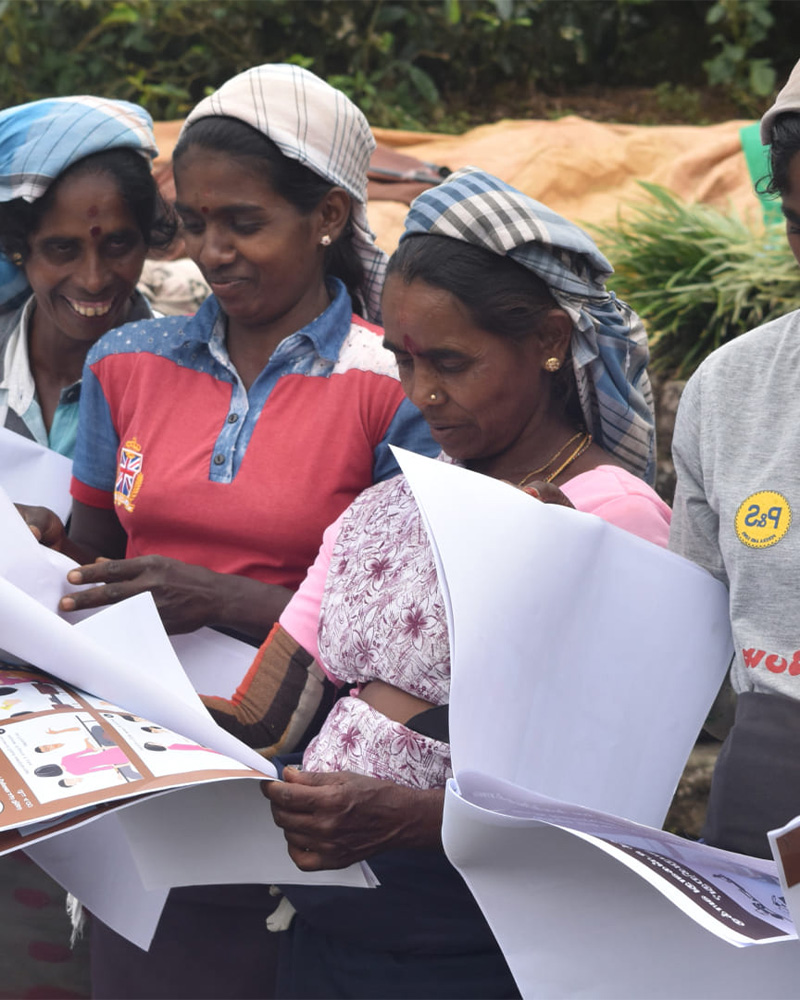
Climate Literacy: Promoting widespread education and awareness to build a foundational understanding of climate issues.
Climate Adaptation and Resilience: Strengthening the adaptive capacity of individuals and communities to withstand shocks.
Equity and Social Inclusion: Utilizing rights-based approaches and gender-specific interventions to ensure no one is excluded.
Mitigation and Low-Carbon Development: Supporting emission reduction and carbon sequestration efforts.
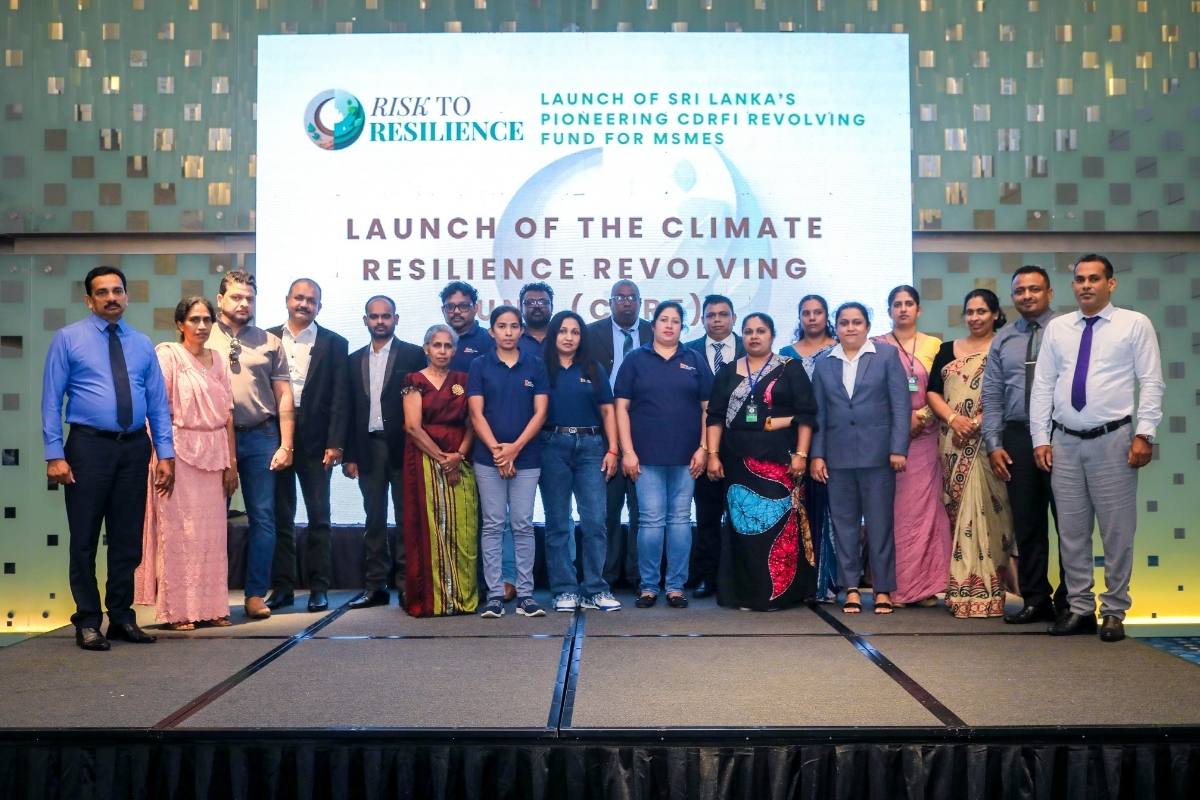
Climate Financing: Facilitating access to innovative financing mechanisms, such as Climate Disaster Risk Finance and Insurance (CDRFI).
Climate Policy & Governance: Engaging in policy advocacy and participatory governance to influence systemic change.
To operationalise these strategies, Chrysalis employs a multi-faceted approach involving evidence generation, economic empowerment, and structural advocacy.
Identification and Assessment Our work begins with understanding the specific contours of vulnerability. We conduct comprehensive vulnerability assessments focused on different genders, livelihoods, and sectors to identify disproportionate impacts. This includes economic assessments of Micro, Small, and Medium Enterprises (MSMEs) and gender assessments to map how climate change affects distinct segments of the community differently. This evidence base allows us to identify and create awareness among stakeholders regarding the gendered implications of the climate crisis.
Resilient Livelihoods and Infrastructure We actively support adaptation programs that create sustainable livelihoods and green jobs. This involves promoting climate-smart agriculture and farming practices among smallholder farmers and producers, as well as fostering sustainable fisheries. For the business sector, we promote sustainable consumption, production, and circularity within business processes. Beyond livelihoods, we partner with relevant authorities and Civil Society Organizations (CSOs) to design climate-resilient town planning and infrastructure, ensuring housing and community structures can withstand future disasters.
Financial Inclusion and Risk Management Recognizing the financial barriers to resilience, we build partnerships with government authorities, financial institutions, and insurance companies to design and promote Climate Disaster Risk Finance and Insurance (CDRFI). This ensures that when disasters strike, the most vulnerable have a financial safety net.
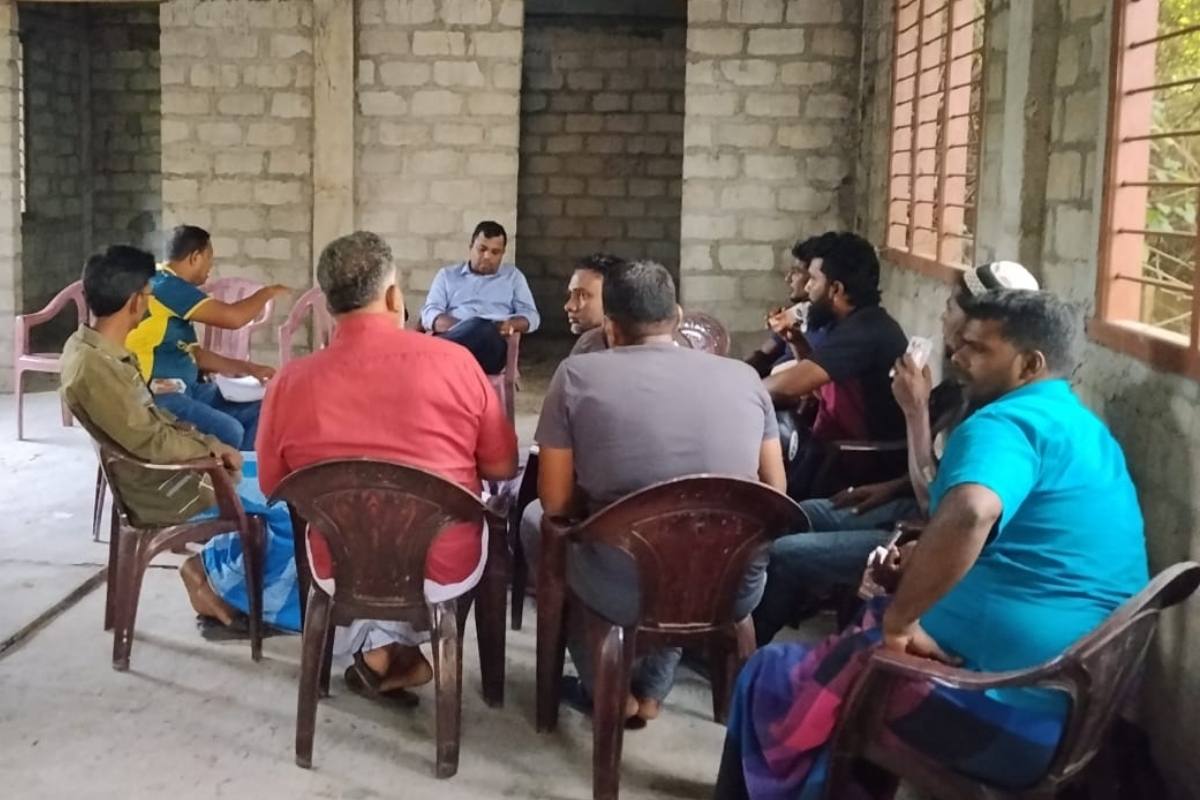
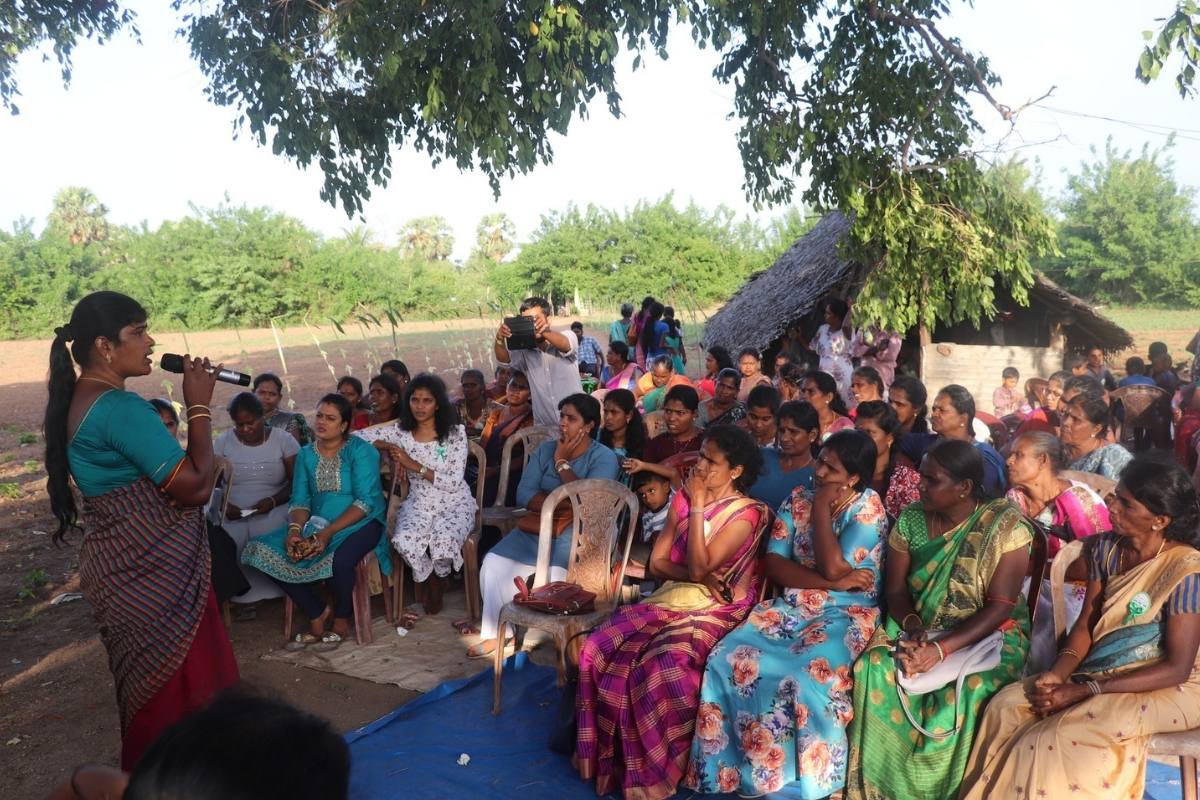
Policy, Governance, and Advocacy Finally, we work to shift power dynamics. We establish community and entrepreneur collectives and multi-stakeholder platforms that allow citizens to negotiate inclusive services from state and non-state actors. We actively participate in policy advocacy, pushing for local and national policies that address climate justice. This includes ensuring diverse community representation—men, women, and youth—in policy development and allocating resources in ways that prioritize the communities most affected. By empowering local stakeholders (Local Government Authorities, CBOs) to lead in developing resilience-building plans, we ensure solutions are context-specific and sustainable.