Projects

filter icon
FILTER
filter icon

Filter Ongoing Projects

Select Partner(s)

Select Donor(s)

Select Piller

Clear Filter
project thumbnail

Strengthening Women and Civil Society Engagement to Combat Poverty and Hunger in Sri Lanka (RISE)

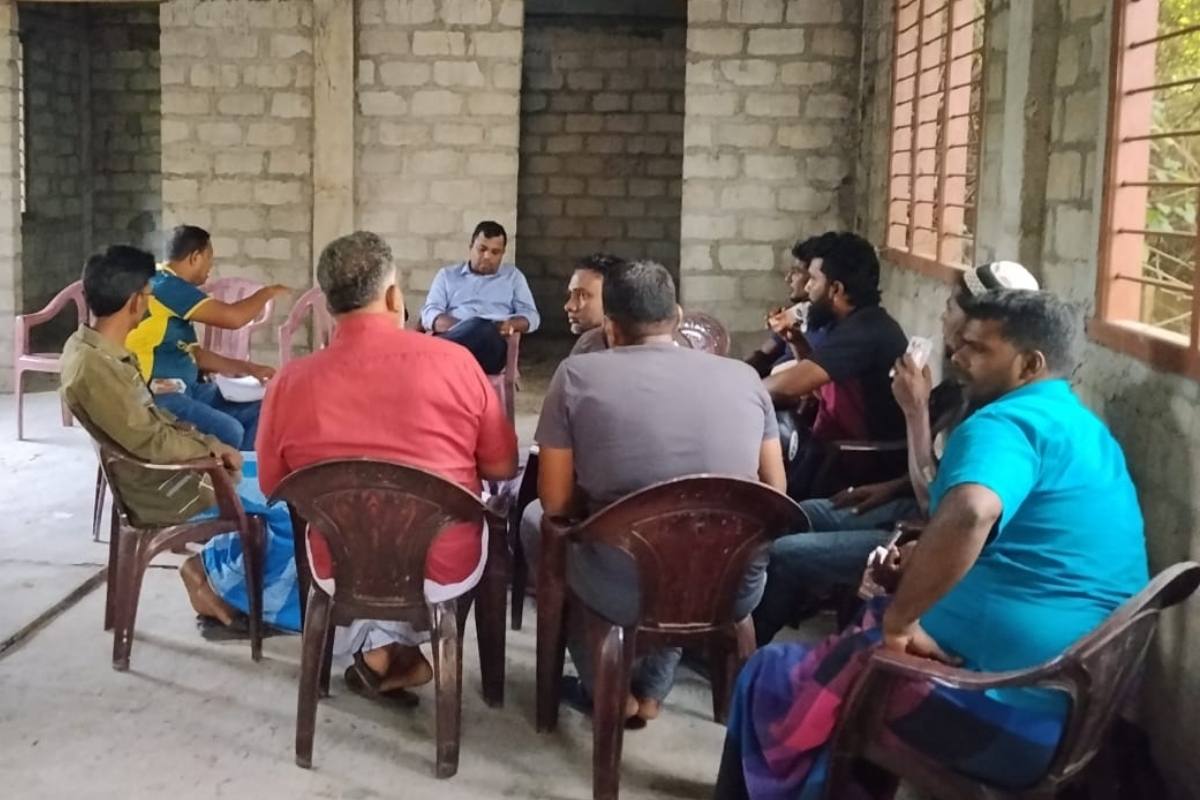
Sri Lanka’s post-COVID poly-crisis, which was marked by economic recession, governance failures, and long-standing inequalities, deepened poverty, hunger, and vulnerability, disproportionately affecting women, especially in Uva and Central Provinces. 

One in six Sri Lankans is multidimensionally poor, with rural and estate communities among the hardest hit. Women in the districts of Central and Uva Provinces are confronted with economic shocks, the double burden of paid and unpaid work, rising living costs, limited access to finance and resources, and exclusion from decision-making. Many remain trapped in subsistence livelihoods, informal work, or low-skilled micro-enterprises, constrained by structural, policy, and social barriers. Female smallholder producers and women-led CSOs operate in isolation, facing bureaucratic hurdles, weak institutional support, safety concerns, and unequal opportunities. Government agencies also struggle with limited capacity and service delivery. These interconnected challenges highlight the urgent need for systemic, inclusive interventions to empower women and youth, strengthen CSOs, improve access to resources and markets, and break cycles of poverty and marginalisation.


The RISE project, also known as 'Strengthening Women and Civil Society Engagement to Combat Poverty and Hunger in Sri Lanka, ' is funded by the Federal Ministry of Economic Cooperation and Development (BMZ) in Germany, with CARE Deutschland e.V. as a key partner. In Sri Lanka, Chrysalis leads the implementation of this initiative, which aims to reduce poverty and food insecurity through women’s leadership and collective action. The project empowers women farmers with climate-smart agricultural training, supports them to form cooperatives for better market access, and strengthens links to vital social safety nets. Beyond livelihoods, RISE creates spaces for women and Civil Society Organizations (CSOs) to collaborate with local authorities in addressing hunger and broader socioeconomic challenges — building resilient, self-reliant rural communities that can withstand crises and thrive sustainably.

The project addresses these structural challenges by empowering women, strengthening CSOs, improving market access, and promoting systemic change for poverty reduction and sustainable livelihoods.


Read More
project thumbnail

Redefining Conflict Prevention and Peacebuilding: Empowering CSOs for Sustainable Peace in Sri Lanka and the Maldives (REDEFINE)

Sri Lanka and the Maldives are increasingly affected by environmental and natural resource–related conflicts, which exacerbate social and political vulnerabilities. In Sri Lanka, environmental degradation, climate variability, and unsustainable resource practices heighten inter-community tensions and weaken social cohesion. In the Maldives, climate change, ecosystem degradation, and rapid development threaten fragile island environments and livelihoods, fueling disputes over conservation, tourism, and land use. Women and youth are disproportionately impacted and largely excluded from decision-making, while limited civic space constrains local civil society organisations (CSOs) from addressing the root causes of conflict, undermining inclusive governance, resilience, and long-term peace.

The EU-funded REDEFINE project – Redefining Conflict Prevention and Peacebuilding: Empowering CSOs for Sustainable Peace in Sri Lanka and the Maldives – seeks to strengthen crisis preparedness and promote sustainable peace in vulnerable communities. In Sri Lanka, the project is implemented directly by Chrysalis, while in the Maldives it is delivered in partnership with the Society for Island Geodesy and Sustainability (SIGS). Together, these partners empower women- and youth-led CSOs to spearhead inclusive peacebuilding initiatives and reinforce local resilience.

REDEFINE promotes collaborative environmental management and enhances CSO networks to foster dialogue and prevent conflict. For example, Chrysalis supports women’s groups in water management and agroforestry, helping reduce environmental stressors that can escalate disputes and integrating these efforts into broader peacebuilding forums. By linking environmental stewardship with inclusive governance, REDEFINE addresses the intertwined challenges of resource pressures, social tensions, and climate vulnerability, paving the way for lasting peace and community resilience.

Read More
project thumbnail

Promoting Economic Justice for Women (PEJW)

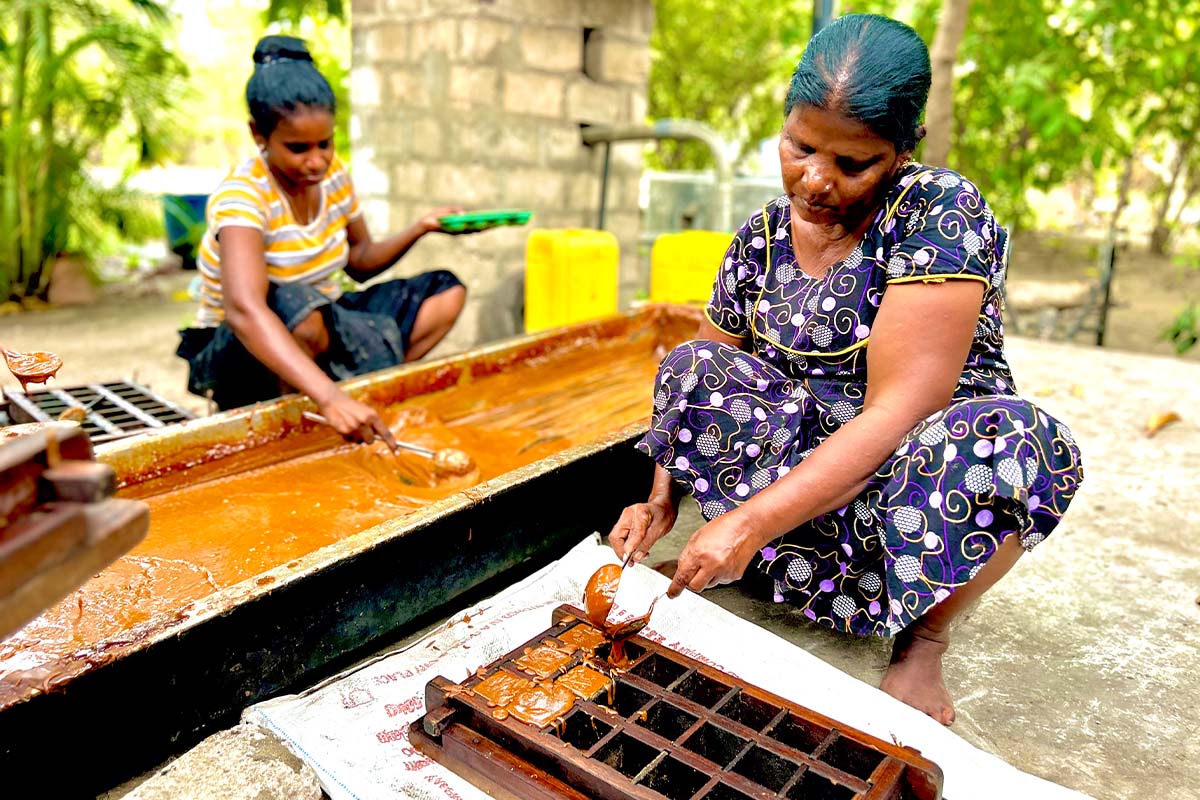
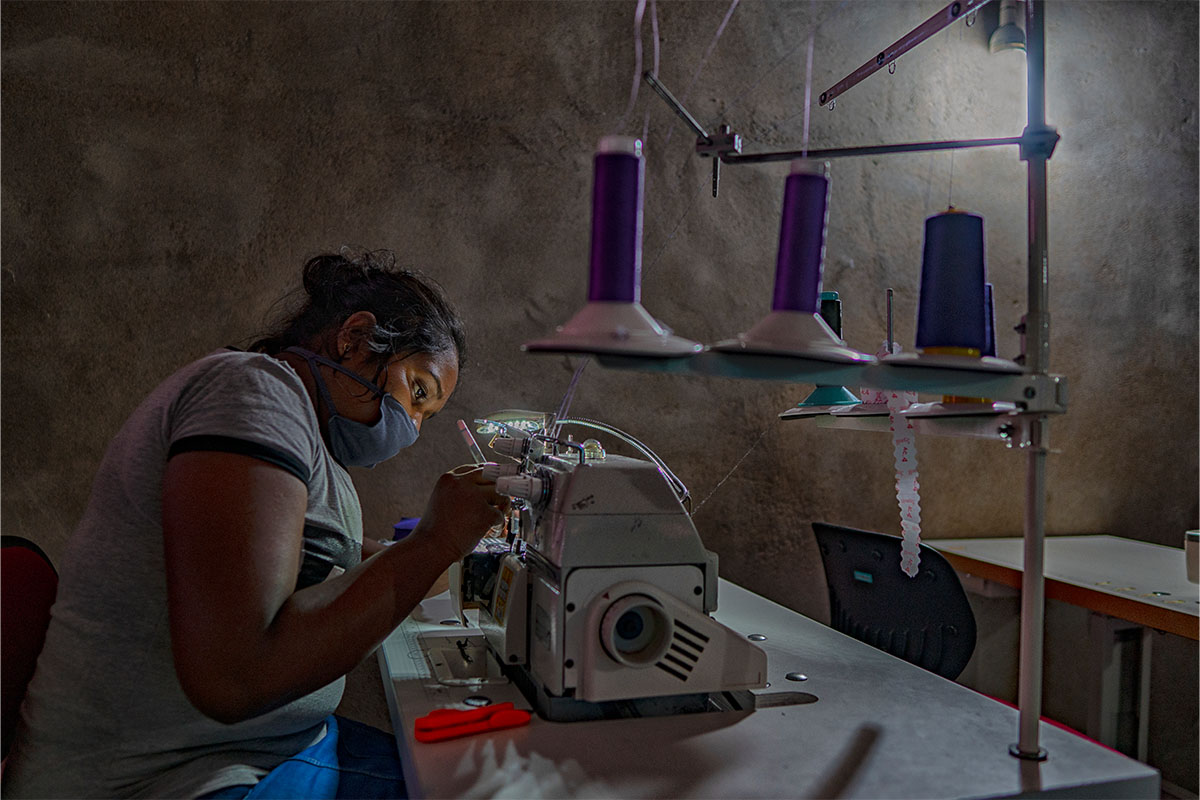
The Promoting Economic Justice for Women (PEJW) project is a comprehensive endeavour aimed at addressing systemic discrimination and fostering economic justice for women in the Micro, Small, and Medium Enterprises (MSMEs) sector in Sri Lanka. By employing a Systems Change Approach, the project goes beyond individual interventions to address structural barriers that prevent women entrepreneurs from fully participating in the economy. PEJW targets women-led MSMEs, working to reshape policies, institutional practices, and regulatory frameworks that hinder women’s financial inclusion, business growth, and leadership opportunities.

Micro, small, and medium enterprises (MSMEs) form the backbone of Sri Lanka’s economy. Women own or lead approximately 25% of these enterprises, yet their overall contribution to GDP is not systematically measured due to limited sex-disaggregated economic data. Women entrepreneurs continue to face persistent barriers: restricted access to credit because of inadequate collateral, financial services that rarely address their needs, limited entry into supply chains, and a widening digital divide. Gender-based violence (GBV), including economic abuse, mobility restrictions, intimate partner violence, and workplace harassment, further constrains women’s participation in business. 

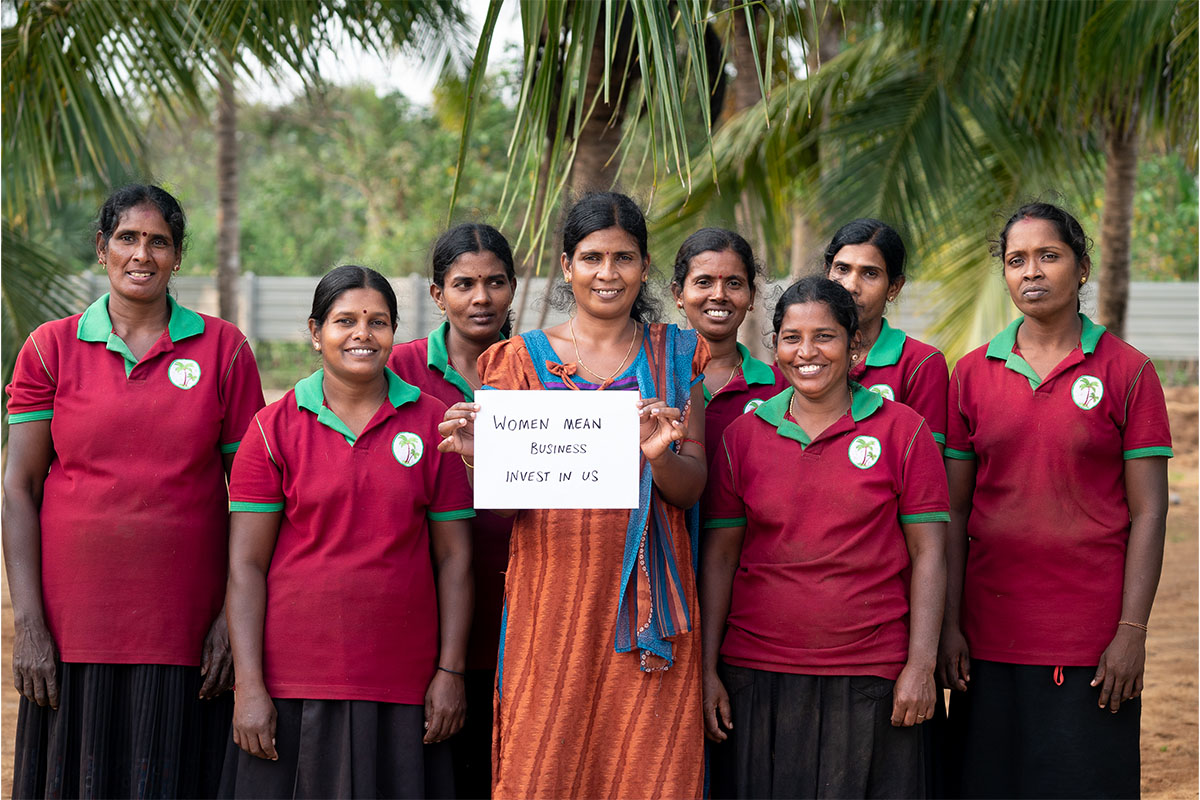
These challenges keep many women-led enterprises small, informal, and vulnerable. Chrysalis, together with multi-stakeholders from government and market actors, is undertaking a bold experiment to establish a national-level coalition (Women Mean Business Coalition), to reshape policies, practices, and regulations hindering women's empowerment in the MSME sector. The Women Mean Business (WmB) Coalition, convened by Chrysalis and funded by global philanthropic collaborative Co-Impact, is positioning women-led enterprises at the centre of the country’s economic recovery. Its ambition is not simply to support individual entrepreneurs but to reshape the structures of finance, policy, and markets so that women-owned businesses can thrive on equal terms.  

The coalition brings together key actors from government, the private sector, civil society organisations, development partners, and the banking and financial services industry, recognising that sustainable change requires coordinated action across institutions and sectors. Notable members of the coalition include the Ministry of Industry and Entrepreneurship Development, the Ministry of Women and Child Affairs, the Central Bank of Sri Lanka, the Credit Information Bureau of Sri Lanka and the United Nations Development Program (UNDP). The coalition also includes 17 financial institutions, reflecting strong engagement from the formal financial sector.


Read More
filter icon
FILTER
filter icon

Filter Completed Projects

Select Partner(s)

Select Donor(s)

Select Piller

Clear Filter
project thumbnail

Strengthening Women and Civil Society Engagement to Combat Poverty and Hunger in Sri Lanka (RISE)

Sri Lanka’s post-COVID poly-crisis, which was marked by economic recession, governance failures, and long-standing inequalities, deepened poverty, hunger, and vulnerability, disproportionately affecting women, especially in Uva and Central Provinces. 

One in six Sri Lankans is multidimensionally poor, with rural and estate communities among the hardest hit. Women in the districts of Central and Uva Provinces are confronted with economic shocks, the double burden of paid and unpaid work, rising living costs, limited access to finance and resources, and exclusion from decision-making. Many remain trapped in subsistence livelihoods, informal work, or low-skilled micro-enterprises, constrained by structural, policy, and social barriers. Female smallholder producers and women-led CSOs operate in isolation, facing bureaucratic hurdles, weak institutional support, safety concerns, and unequal opportunities. Government agencies also struggle with limited capacity and service delivery. These interconnected challenges highlight the urgent need for systemic, inclusive interventions to empower women and youth, strengthen CSOs, improve access to resources and markets, and break cycles of poverty and marginalisation.


The RISE project, also known as 'Strengthening Women and Civil Society Engagement to Combat Poverty and Hunger in Sri Lanka, ' is funded by the Federal Ministry of Economic Cooperation and Development (BMZ) in Germany, with CARE Deutschland e.V. as a key partner. In Sri Lanka, Chrysalis leads the implementation of this initiative, which aims to reduce poverty and food insecurity through women’s leadership and collective action. The project empowers women farmers with climate-smart agricultural training, supports them to form cooperatives for better market access, and strengthens links to vital social safety nets. Beyond livelihoods, RISE creates spaces for women and Civil Society Organizations (CSOs) to collaborate with local authorities in addressing hunger and broader socioeconomic challenges — building resilient, self-reliant rural communities that can withstand crises and thrive sustainably.

The project addresses these structural challenges by empowering women, strengthening CSOs, improving market access, and promoting systemic change for poverty reduction and sustainable livelihoods.


Read More
project thumbnail

Redefining Conflict Prevention and Peacebuilding: Empowering CSOs for Sustainable Peace in Sri Lanka and the Maldives (REDEFINE)

Sri Lanka and the Maldives are increasingly affected by environmental and natural resource–related conflicts, which exacerbate social and political vulnerabilities. In Sri Lanka, environmental degradation, climate variability, and unsustainable resource practices heighten inter-community tensions and weaken social cohesion. In the Maldives, climate change, ecosystem degradation, and rapid development threaten fragile island environments and livelihoods, fueling disputes over conservation, tourism, and land use. Women and youth are disproportionately impacted and largely excluded from decision-making, while limited civic space constrains local civil society organisations (CSOs) from addressing the root causes of conflict, undermining inclusive governance, resilience, and long-term peace.

The EU-funded REDEFINE project – Redefining Conflict Prevention and Peacebuilding: Empowering CSOs for Sustainable Peace in Sri Lanka and the Maldives – seeks to strengthen crisis preparedness and promote sustainable peace in vulnerable communities. In Sri Lanka, the project is implemented directly by Chrysalis, while in the Maldives it is delivered in partnership with the Society for Island Geodesy and Sustainability (SIGS). Together, these partners empower women- and youth-led CSOs to spearhead inclusive peacebuilding initiatives and reinforce local resilience.

REDEFINE promotes collaborative environmental management and enhances CSO networks to foster dialogue and prevent conflict. For example, Chrysalis supports women’s groups in water management and agroforestry, helping reduce environmental stressors that can escalate disputes and integrating these efforts into broader peacebuilding forums. By linking environmental stewardship with inclusive governance, REDEFINE addresses the intertwined challenges of resource pressures, social tensions, and climate vulnerability, paving the way for lasting peace and community resilience.

Read More
project thumbnail

Promoting Economic Justice for Women (PEJW)

The Promoting Economic Justice for Women (PEJW) project is a comprehensive endeavour aimed at addressing systemic discrimination and fostering economic justice for women in the Micro, Small, and Medium Enterprises (MSMEs) sector in Sri Lanka. By employing a Systems Change Approach, the project goes beyond individual interventions to address structural barriers that prevent women entrepreneurs from fully participating in the economy. PEJW targets women-led MSMEs, working to reshape policies, institutional practices, and regulatory frameworks that hinder women’s financial inclusion, business growth, and leadership opportunities.

Micro, small, and medium enterprises (MSMEs) form the backbone of Sri Lanka’s economy. Women own or lead approximately 25% of these enterprises, yet their overall contribution to GDP is not systematically measured due to limited sex-disaggregated economic data. Women entrepreneurs continue to face persistent barriers: restricted access to credit because of inadequate collateral, financial services that rarely address their needs, limited entry into supply chains, and a widening digital divide. Gender-based violence (GBV), including economic abuse, mobility restrictions, intimate partner violence, and workplace harassment, further constrains women’s participation in business. 

These challenges keep many women-led enterprises small, informal, and vulnerable. Chrysalis, together with multi-stakeholders from government and market actors, is undertaking a bold experiment to establish a national-level coalition (Women Mean Business Coalition), to reshape policies, practices, and regulations hindering women's empowerment in the MSME sector. The Women Mean Business (WmB) Coalition, convened by Chrysalis and funded by global philanthropic collaborative Co-Impact, is positioning women-led enterprises at the centre of the country’s economic recovery. Its ambition is not simply to support individual entrepreneurs but to reshape the structures of finance, policy, and markets so that women-owned businesses can thrive on equal terms.  

The coalition brings together key actors from government, the private sector, civil society organisations, development partners, and the banking and financial services industry, recognising that sustainable change requires coordinated action across institutions and sectors. Notable members of the coalition include the Ministry of Industry and Entrepreneurship Development, the Ministry of Women and Child Affairs, the Central Bank of Sri Lanka, the Credit Information Bureau of Sri Lanka and the United Nations Development Program (UNDP). The coalition also includes 17 financial institutions, reflecting strong engagement from the formal financial sector.

Read More
filter icon
FILTER
filter icon

Filter Upcoming Projects

Select Partner(s)

Select Donor(s)

Select Piller

Clear Filter
project thumbnail

Strengthening Women and Civil Society Engagement to Combat Poverty and Hunger in Sri Lanka (RISE)

Sri Lanka’s post-COVID poly-crisis, which was marked by economic recession, governance failures, and long-standing inequalities, deepened poverty, hunger, and vulnerability, disproportionately affecting women, especially in Uva and Central Provinces. 

One in six Sri Lankans is multidimensionally poor, with rural and estate communities among the hardest hit. Women in the districts of Central and Uva Provinces are confronted with economic shocks, the double burden of paid and unpaid work, rising living costs, limited access to finance and resources, and exclusion from decision-making. Many remain trapped in subsistence livelihoods, informal work, or low-skilled micro-enterprises, constrained by structural, policy, and social barriers. Female smallholder producers and women-led CSOs operate in isolation, facing bureaucratic hurdles, weak institutional support, safety concerns, and unequal opportunities. Government agencies also struggle with limited capacity and service delivery. These interconnected challenges highlight the urgent need for systemic, inclusive interventions to empower women and youth, strengthen CSOs, improve access to resources and markets, and break cycles of poverty and marginalisation.


The RISE project, also known as 'Strengthening Women and Civil Society Engagement to Combat Poverty and Hunger in Sri Lanka, ' is funded by the Federal Ministry of Economic Cooperation and Development (BMZ) in Germany, with CARE Deutschland e.V. as a key partner. In Sri Lanka, Chrysalis leads the implementation of this initiative, which aims to reduce poverty and food insecurity through women’s leadership and collective action. The project empowers women farmers with climate-smart agricultural training, supports them to form cooperatives for better market access, and strengthens links to vital social safety nets. Beyond livelihoods, RISE creates spaces for women and Civil Society Organizations (CSOs) to collaborate with local authorities in addressing hunger and broader socioeconomic challenges — building resilient, self-reliant rural communities that can withstand crises and thrive sustainably.

The project addresses these structural challenges by empowering women, strengthening CSOs, improving market access, and promoting systemic change for poverty reduction and sustainable livelihoods.


Read More
project thumbnail

Redefining Conflict Prevention and Peacebuilding: Empowering CSOs for Sustainable Peace in Sri Lanka and the Maldives (REDEFINE)

Sri Lanka and the Maldives are increasingly affected by environmental and natural resource–related conflicts, which exacerbate social and political vulnerabilities. In Sri Lanka, environmental degradation, climate variability, and unsustainable resource practices heighten inter-community tensions and weaken social cohesion. In the Maldives, climate change, ecosystem degradation, and rapid development threaten fragile island environments and livelihoods, fueling disputes over conservation, tourism, and land use. Women and youth are disproportionately impacted and largely excluded from decision-making, while limited civic space constrains local civil society organisations (CSOs) from addressing the root causes of conflict, undermining inclusive governance, resilience, and long-term peace.

The EU-funded REDEFINE project – Redefining Conflict Prevention and Peacebuilding: Empowering CSOs for Sustainable Peace in Sri Lanka and the Maldives – seeks to strengthen crisis preparedness and promote sustainable peace in vulnerable communities. In Sri Lanka, the project is implemented directly by Chrysalis, while in the Maldives it is delivered in partnership with the Society for Island Geodesy and Sustainability (SIGS). Together, these partners empower women- and youth-led CSOs to spearhead inclusive peacebuilding initiatives and reinforce local resilience.

REDEFINE promotes collaborative environmental management and enhances CSO networks to foster dialogue and prevent conflict. For example, Chrysalis supports women’s groups in water management and agroforestry, helping reduce environmental stressors that can escalate disputes and integrating these efforts into broader peacebuilding forums. By linking environmental stewardship with inclusive governance, REDEFINE addresses the intertwined challenges of resource pressures, social tensions, and climate vulnerability, paving the way for lasting peace and community resilience.

Read More
project thumbnail

Promoting Economic Justice for Women (PEJW)

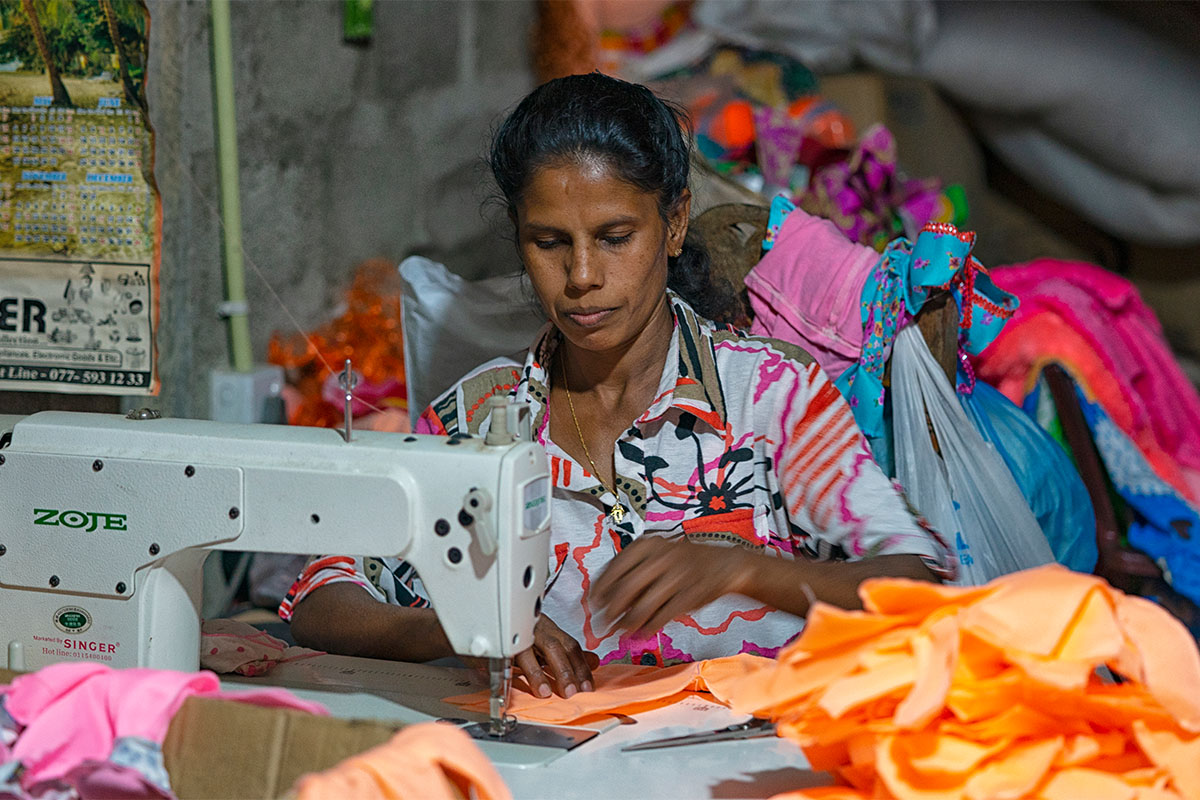
The Promoting Economic Justice for Women (PEJW) project is a comprehensive endeavour aimed at addressing systemic discrimination and fostering economic justice for women in the Micro, Small, and Medium Enterprises (MSMEs) sector in Sri Lanka. By employing a Systems Change Approach, the project goes beyond individual interventions to address structural barriers that prevent women entrepreneurs from fully participating in the economy. PEJW targets women-led MSMEs, working to reshape policies, institutional practices, and regulatory frameworks that hinder women’s financial inclusion, business growth, and leadership opportunities.

Micro, small, and medium enterprises (MSMEs) form the backbone of Sri Lanka’s economy. Women own or lead approximately 25% of these enterprises, yet their overall contribution to GDP is not systematically measured due to limited sex-disaggregated economic data. Women entrepreneurs continue to face persistent barriers: restricted access to credit because of inadequate collateral, financial services that rarely address their needs, limited entry into supply chains, and a widening digital divide. Gender-based violence (GBV), including economic abuse, mobility restrictions, intimate partner violence, and workplace harassment, further constrains women’s participation in business. 

These challenges keep many women-led enterprises small, informal, and vulnerable. Chrysalis, together with multi-stakeholders from government and market actors, is undertaking a bold experiment to establish a national-level coalition (Women Mean Business Coalition), to reshape policies, practices, and regulations hindering women's empowerment in the MSME sector. The Women Mean Business (WmB) Coalition, convened by Chrysalis and funded by global philanthropic collaborative Co-Impact, is positioning women-led enterprises at the centre of the country’s economic recovery. Its ambition is not simply to support individual entrepreneurs but to reshape the structures of finance, policy, and markets so that women-owned businesses can thrive on equal terms.  

The coalition brings together key actors from government, the private sector, civil society organisations, development partners, and the banking and financial services industry, recognising that sustainable change requires coordinated action across institutions and sectors. Notable members of the coalition include the Ministry of Industry and Entrepreneurship Development, the Ministry of Women and Child Affairs, the Central Bank of Sri Lanka, the Credit Information Bureau of Sri Lanka and the United Nations Development Program (UNDP). The coalition also includes 17 financial institutions, reflecting strong engagement from the formal financial sector.

Read More
filter icon

Filter Ongoing Projects

Select Partner(s)

Select Donor(s)

Select Pillar

Clear Filter