Projects

2023 - 2026

Ongoing

BRIDGE: Bridging Communities to Protect Human Rights and Fundamental Freedoms

The BRIDGE Project strengthens inclusive governance, transparency, and civic participation in Sri Lanka’s Northern Province by connecting communities, civil society, and public institutions to advance human rights and fundamental freedoms. In post-conflict contexts where women and youth often face systemic barriers to political participation and civic engagement, the project creates structured opportunities for dialogue, accountability, and collective action.

By empowering community leaders, human rights defenders, and civil society actors, BRIDGE supports communities to translate citizen concerns into constructive engagement with decision-makers. The project also promotes greater transparency and responsiveness within governance systems by facilitating collaboration between civic actors, media, legal institutions, and local authorities. Through these efforts, BRIDGE contributes to strengthening democratic participation, rebuilding public trust in institutions, and enabling communities to play an active role in shaping inclusive and accountable governance processes.

Pillars


Inclusive Governance
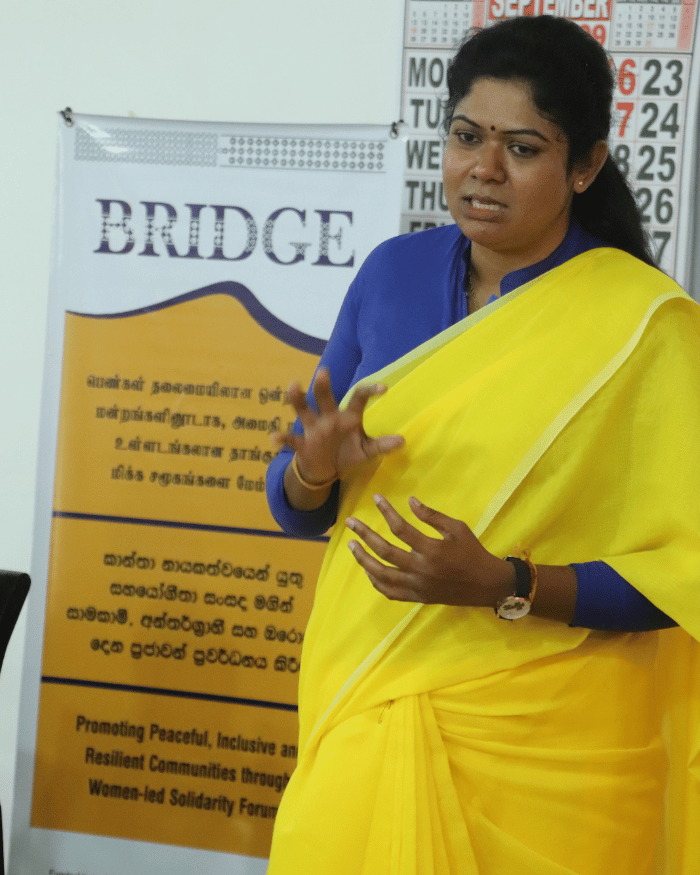
Inclusive Governance

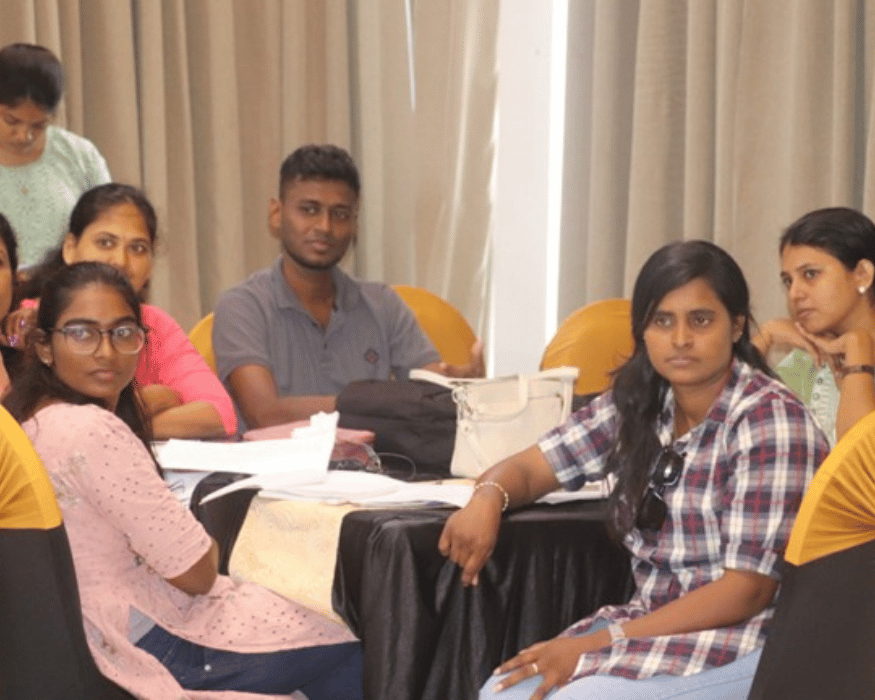
project implementation image

Our Intervention

The initiative combines leadership training, mentoring, and institutional engagement to strengthen the role of women leaders, human rights defenders, and civil society organisations in governance processes. Through capacity-building programmes, political readiness training, legal awareness sessions, and digital literacy initiatives, the project equips participants with the skills and confidence required to advocate for community needs.

BRIDGE also collaborates with media professionals, legal practitioners, and social media activists to enhance public awareness, strengthen accountability, and expand civic voice. By building referral pathways and partnerships with provincial and district-level duty bearers, the project ensures that community concerns are translated into practical solutions, contributing to more transparent, participatory, and responsive governance systems.

Beneficiaries

The BRIDGE Project directly engages 600 participants, including 400 women and 200 men, drawn from 15 People’s Forums as well as media networks, legal associations, and business forums in the Northern Province.

Key beneficiary groups include:

  • Women and youth leaders participating in civic engagement and leadership programmes
  • Human rights defenders working to promote accountability and justice
  • Young legal professionals and law students involved in governance and rights advocacy
  • Journalists and social media activists supporting public awareness and civic dialogue
  • Civil society organisations and community networks working on governance and human rights

In addition to direct participants, the project indirectly benefits approximately 500,000 people across the Northern Province through strengthened People’s Forums, improved governance mechanisms, and enhanced community participation in local decision-making processes.


Participant Testimonial

"After the session, I gained a clear understanding of how to convey public issues to decision-makers through a gender lens. I now realise that, as a local government member, I intensely missed my time not advocating for public concerns. This session was an eye-opener, showing me my responsibility to the people who elected me and ensuring their voices are heard."

Mrs. Sujeeva 
Former Local Authority Council Member, Northern Province.


Key Outcomes

The BRIDGE Project has contributed significantly to strengthening civic participation, leadership, and governance accountability in the Northern Province.

Key outcomes include:

  • Expanded civic engagement: 27 Town Hall sessions were conducted, engaging over 1,300 participants in dialogue between communities and decision-makers.
  • Strengthened women’s political participation: Of the women trained through political readiness programmes, 109 contested local government elections, demonstrating increased confidence and leadership.
  • Improved accountability mechanisms: Community forums successfully addressed and resolved 45 local issues through Town Hall follow-up processes and coordination with authorities.
  • Enhanced advocacy capacity: Civil society members were trained in evidence-based advocacy and equitable resource allocation through training-of-trainers programmes and knowledge-sharing sessions.
  • Strengthened civic voice: District-level social media platforms were launched with CSO Federations and Women Councillor Caucuses to amplify community concerns and promote transparency in governance.

Together, these outcomes contribute to stronger civic leadership, more inclusive decision-making processes, and improved public accountability in the Northern Province.


Data & Impact

Quantitative results

  • Direct participants: 600 total (400 women, 200 men) from 15 people's forums and media, legal/law associations, and business networks/forums.
  • Town Hall meetings: 27 sessions conducted, engaging 1317 participants in total (attendance reach; overlaps may apply).
  • Political readiness: 10 workshops completed with 331 participants (288 female, 43 male, 2 LGBTQIA).
  • Public accountability and transparency: 228 participants trained.
  • Equitable resource allocation: 30 ToT participants trained; district knowledge-sharing sessions reached 247 CSO members.
  • ICT and social media literacy: a practical, mobilefirst bilingual (English and Tamil) package completed; 3-day ToT conducted on 27-29 Dec 2025, preparing 32 peer trainers (district cascades continued after the cut-off date).
  • From capacity to participation: 109 of the 331 women trained through the political readiness module contested in local elections.
  • Town Hall problem-solving strengthened: 45 issues resolved through Town Hall follow-up and coordination.
  • Collective capacity expanded: 30 ToT participants led knowledge sharing on effective and equitable resource allocation, strengthening evidence-based advocacy skills among CSO members.
  • Civic voice amplified: five district-level official social media platforms launched with CSO Federations and Women's Caucuses.
  • Indirect benefit: approximately 500,000 people in the Northern Province are expected to benefit indirectly through the strengthened 15 people's forums.
partner icon

Supporting Donors & Partners

The BRIDGE Project is implemented by Chrysalis as the lead organisation in partnership with the Law & Society Trust (LST) as co-implementer. The project collaborates closely with a diverse range of stakeholders, including government institutions, independent oversight bodies, and civil society networks, to enhance governance and human rights protection.

Key institutional stakeholders include:

  • Northern Provincial Council
  • Ministry of Women Affairs and Ministry of Local Government (Northern Province)
  • District and Divisional Secretariats
  • Human Rights Commission of Sri Lanka (HRCSL)
  • Election monitoring bodies
  • Bar Associations and Legal Aid Commission branches

The project also collaborates with universities, journalist networks, civil society federations, and grassroots organisations to support inclusive governance and human rights advocacy across the Northern Province.

Gallery

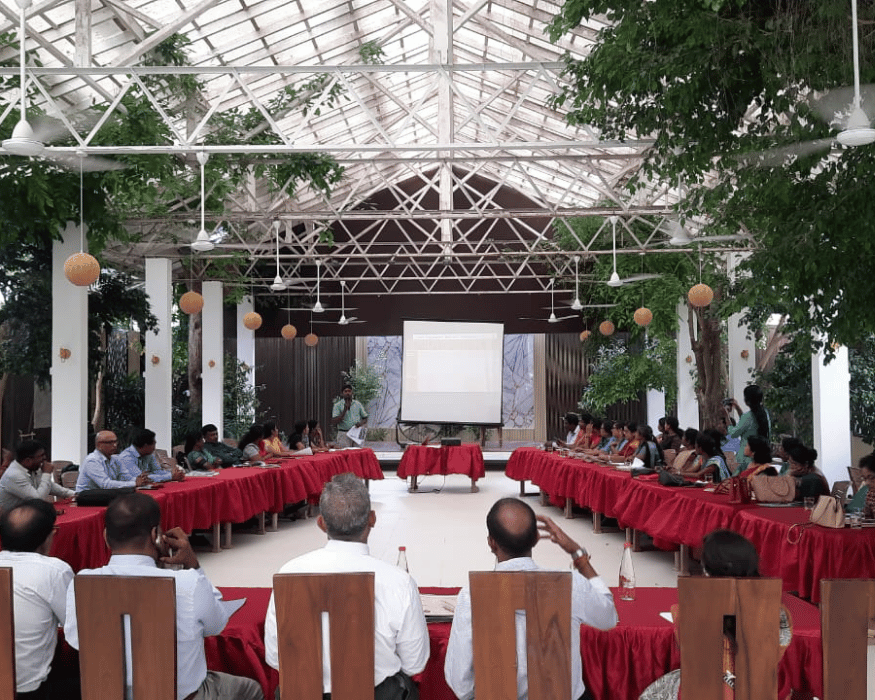
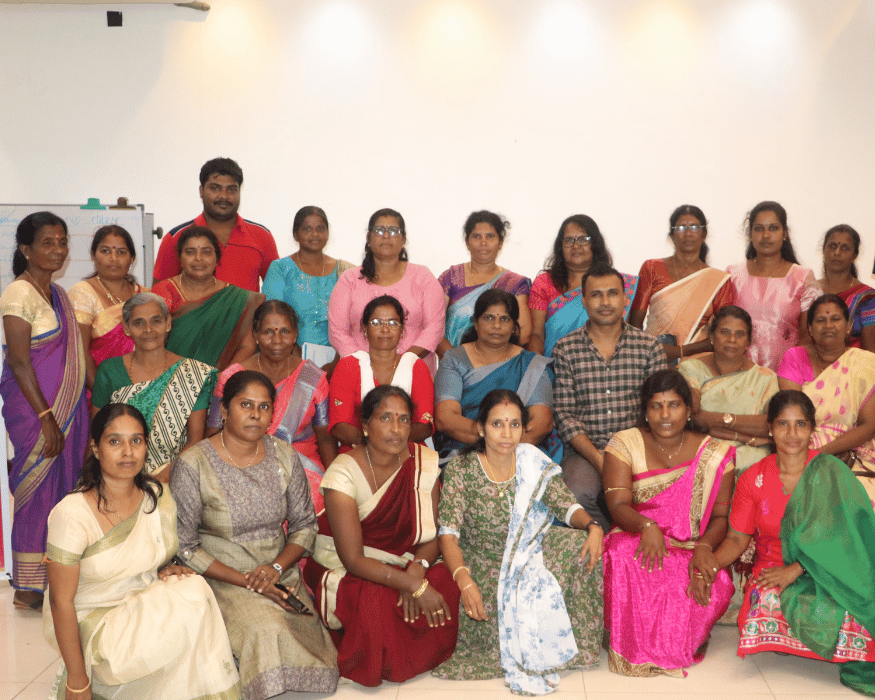
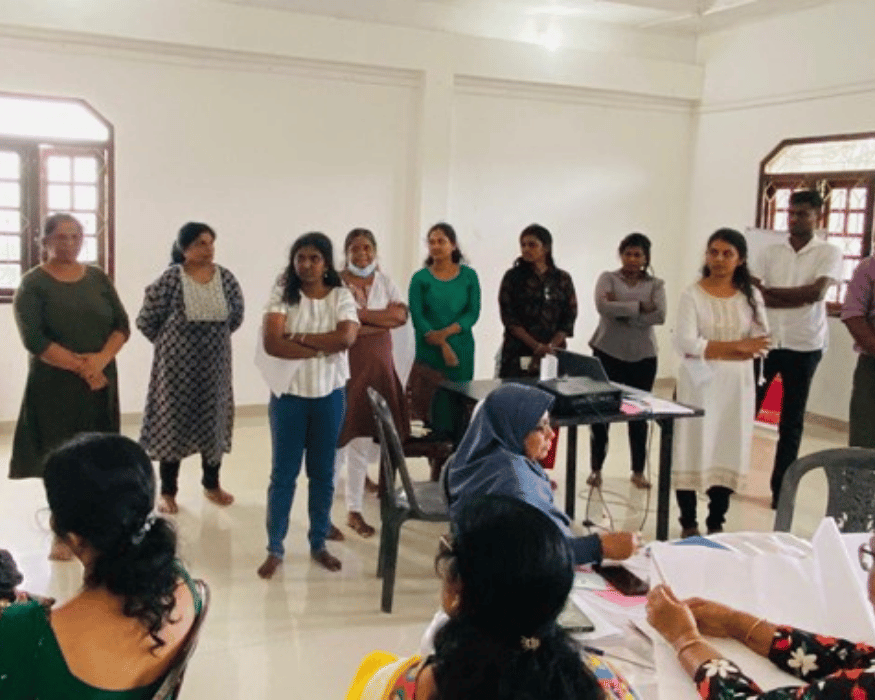
The gallery showcases selected moments from the project, capturing key activities, milestones, and on-the-ground engagement. These snapshots offer a visual insight into the project’s journey, highlighting participation, collaboration, and the real-world impact created through this initiative.

No Videos Found