Projects

2025 -

Ongoing

Connected Communities for Enhanced Climate Resilience and Inclusive Risk Management in Sri Lanka

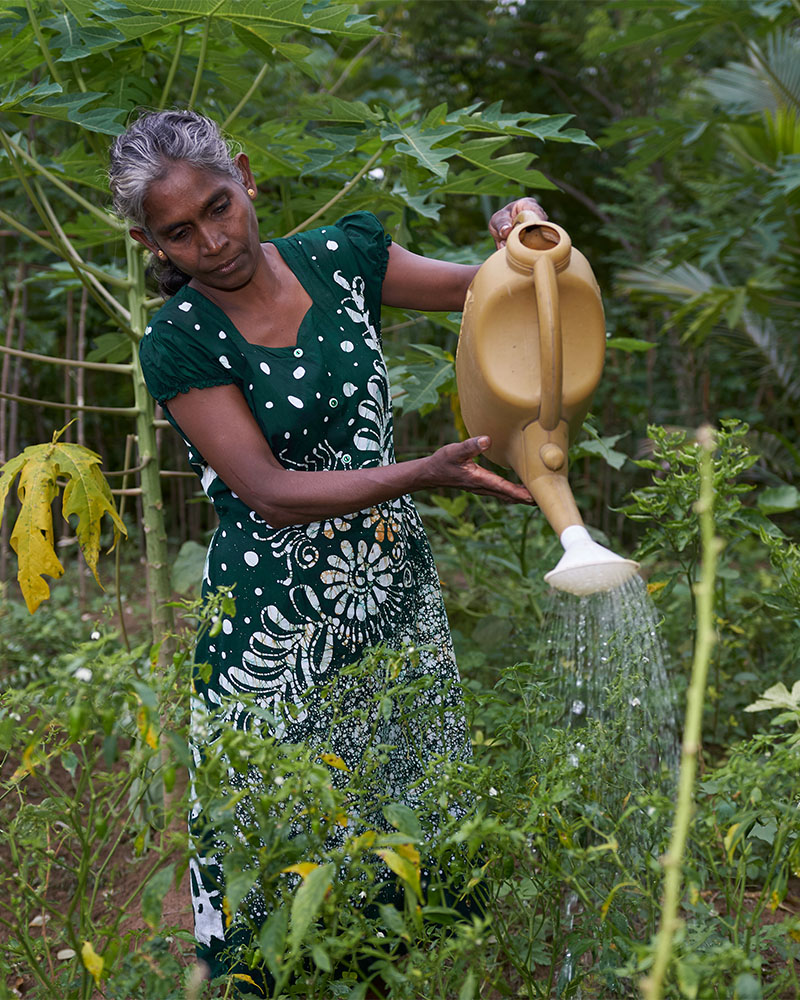
Funded by the Government of the Grand Duchy of Luxembourg, the Connected Communities for Enhanced Climate Resilience project helps vulnerable communities in Sri Lanka’s Eastern and Central provinces adapt to rising temperatures, erratic rainfall, and extreme weather events.

Focusing on women, youth, and persons with disabilities, the project empowers communities to take an active role in climate and disaster management. It adopts a twin-track approach that combines community-led participation in climate and disaster management with the development of socially inclusive and gender-responsive adaptation solutions. These solutions are designed to align with Sri Lanka’s National Adaptation Plan, ensuring that interventions not only address immediate risks but also contribute to long-term resilience, equity, and sustainability. Through collaboration with civil society, local authorities, and small agricultural enterprises, the project builds resilience, supports climate-smart farming, and ensures that everyone, especially those most at risk, can thrive in a changing climate.

project implementation image

Implementation

  • Strengthens resilience of vulnerable communities and their natural resource-based livelihoods against climate shocks.
  • Promotes climate-resilient farming practices, crop diversification, and improved water management.
  • Supports CSOs and small agricultural enterprises in adopting adaptive measures.
  • Facilitates multi-stakeholder collaboration for inclusive climate adaptation.
  • Generates continuous project learning and evidence to inform policies and practices addressing climate change inequalities.

Beneficiaries

  • 12 registered small agricultural businesses and community-based farm organizations engaged in climate-sensitive livelihoods.
  • 600 CBO members from vulnerable groups, including persons with disabilities, women-headed households, and those living below the poverty line.
  • 1,800 community members from 12 Grama Niladhari divisions participating in disaster risk reduction activities.
  • 120 government officials and local authorities benefiting from sensitization, training, and policy dialogues at national and sub-national levels.

Key Outcomes

  • Reduced climate-induced impacts on vulnerable communities and their livelihoods.
  • Enhanced capacity of small and micro agricultural enterprises to implement climate-resilient practices.
  • Increased participation of women, youth, and persons with disabilities in climate adaptation and disaster risk management.
  • Fostered stronger collaboration between communities, civil society, and government agencies to mobilize resources and advance inclusive climate adaptation efforts.
partner icon

Supporting Donors & Partners

This project was made possible through the generous support of our donors, whose contributions played a vital role in planning, implementation, and successful delivery. Their commitment to social impact and sustainable development helped drive meaningful change and ensured that the project objectives were achieved for the benefit of the communities involved.