Projects

2022 - 2025

Ongoing

Sri Lanka Less Travelled (SLLT)

Explore the unseen beauty of Sri Lanka through a journey that goes beyond traditional tourist trails—one that directly supports community-led eco-tourism, creates inclusive livelihood opportunities, and strengthens the resilience of rural communities.

Across Sri Lanka’s Central Province, rural communities are surrounded by extraordinary natural landscapes, rich biodiversity, and deeply rooted cultural heritage. Despite this abundance, many of these areas remain largely disconnected from mainstream tourism and formal economic systems. Tourism in Sri Lanka has long been concentrated in a handful of well-established destinations, leaving emerging locations with limited infrastructure, low visibility, and weak access to markets.

The impact of the COVID-19 pandemic further intensified these challenges. As the tourism sector came to a standstill, communities that relied on informal and seasonal income sources faced severe economic shocks. The crisis highlighted the vulnerability of rural livelihoods and exposed long-standing structural gaps, including the lack of diversified income opportunities, limited access to finance, and weak integration into formal value chains.

At the same time, local micro, small, and medium enterprises (MSMEs) continue to operate in isolation, often without the necessary business development support, market linkages, or capacity to scale. Women and youth, in particular, face significant barriers to entering and benefiting from economic activities, further deepening inequalities within these communities. As a result, valuable local assets remain underutilised, incomes remain low and unstable, and community resilience continues to be undermined.

Without a coordinated and integrated approach that connects tourism recovery with enterprise development, these rural destinations struggle to transform their potential into sustainable and long-term economic opportunities.

It is within this context that Sri Lanka Less Travelled was designed as a transformative, community-driven eco-tourism initiative. The project aims to unlock the untapped potential of rural destinations in the Central Province by reimagining tourism as a tool for inclusive and sustainable development.

Rather than following conventional models, the initiative promotes a new vision of tourism—one that is decentralised, environmentally responsible, and rooted in community ownership. It seeks to position rural communities not as passive participants, but as active drivers of local economic growth.

By integrating eco-tourism development with livelihood strengthening and MSME support, Sri Lanka Less Travelled creates complete, functioning local economies around tourism. It enables communities to develop and manage their own destinations, while also equipping local entrepreneurs, particularly women and youth, with the skills, resources, and opportunities needed to actively participate in and benefit from the tourism value chain.

Ultimately, the project contributes to building more resilient rural economies, where income is diversified, opportunities are inclusive, and development is both locally driven and environmentally sustainable.

Pillars


Inclusive Business
Inclusive Business

project implementation image

Our Intervention

Sri Lanka Less Travelled introduces a comprehensive, community-driven eco-tourism model that intentionally integrates destination development with livelihood enhancement and MSME strengthening. Rather than addressing tourism promotion and enterprise development as separate or fragmented interventions, the project adopts a systems-based approach to build complete, functional eco-tourism ecosystems that are owned, managed, and sustained by local communities.

At the destination level, the initiative supports the identification and development of lesser-known sites with strong eco-tourism potential, investing in environmentally sensitive infrastructure that enhances visitor experience while preserving the natural and cultural integrity of each location. These developments are designed not only to attract visitors but also to create platforms for local economic participation. In parallel, the project places strong emphasis on building the capacities of local communities, particularly women and youth, to actively engage in and benefit from tourism. This includes training individuals as tour companions, guides, and hospitality service providers, while also equipping them with essential soft skills such as communication, customer service, and basic business management.

A key pillar of the intervention is the strengthening of micro, small, and medium enterprises (MSMEs) and producer groups. Through tailored business development services, mentoring, and technical support, local entrepreneurs are supported to improve product quality, diversify offerings, adopt sustainable practices, and better respond to market demand. The project also facilitates market linkages, connecting community-based enterprises with buyers, tourism operators, and broader value chains that extend beyond the local context. Importantly, MSMEs are not treated as parallel beneficiaries but are strategically embedded within the tourism model itself. From locally prepared food and traditional handicrafts to guiding services and homestay accommodations, businesses are integrated into the visitor experience, ensuring that tourism revenue is retained and circulated within the community. This approach strengthens local supply chains, encourages collaboration, and enhances the overall authenticity of the tourism offering.

By combining infrastructure development, skills training, enterprise support, and value chain integration, the project moves beyond isolated, short-term activities to create market-ready, self-sustaining destinations. These destinations generate inclusive livelihood opportunities, promote income diversification, and reduce economic vulnerability among rural households.

Beneficiaries

The project directly reaches 3,912 families, representing 13,147 individuals across targeted rural communities.

Beneficiaries include:

  • Rural households with limited and unstable income sources
  • Women seeking economic empowerment and financial independence
  • Youth facing unemployment or underemployment
  • Local MSMEs and informal entrepreneurs
  • Community-based organisations and producer groups

Local entrepreneurs engaged in:

  • Tour guiding
  • Homestays / eco-lodges
  • Handicrafts and local food production
  • Transport and support services
  • Indirect beneficiaries: Families, villages, and visitors who gain from enriched cultural and environmental experiences.

A strong emphasis is placed on inclusion and equity, ensuring that traditionally marginalised groups—particularly women and youth—are actively engaged and benefit meaningfully from project interventions.

Indirect beneficiaries include wider community members who gain from improved infrastructure, increased economic activity, and enhanced visibility of their local areas.


Participant Testimonial

"I didn't have a place to start this juice bar.  I had put some flower beds where it stands now.  It was the Chrysalis that spotted this plot of land and told me it would be perfect for a juice bar.  This plot of land has been there right under my nose, but I never thought of starting a business like that.  The only business I thought was feasible for me was the grocery shop business.  I did not have the money to put up buildings for a juice bar.  Then the Chrysalis experts suggested I use bamboo to build the shop, put up clay walls, and run vines on the walls. That's what foreign tourists like to see, it seems.  Not just that.  I have fed many tourists before the Project, but it is only after the Project that I realised that the hospitality business is very different from just offering food to people." 

W.W. Krishanthi Kumari, Aberdeen, Ambagamuwa


Key Outcomes


  • Launch of new ecotourism experiences across five rural nature sites
  • Women-led hospitality and tourism enterprises established and operating
  • Increased household income diversification beyond agriculture
  • Strengthened community leadership and environmental stewardship
  • Enhanced visibility of these regions as responsible tourism destinations
  • A more inclusive and sustainable rural tourism economy that benefits entire communities


Data & Impact

Quantitative Results

  • Development of 5 eco-tourism sites into structured, market-ready destinations
  • Support provided to 22 MSMEs, strengthening their operational and market capacity
  • Enhancement of 52 livelihoods, contributing to increased and diversified income sources
  • Training of 65 tour companions, improving service quality and visitor engagement

Qualitative Results

  • Enhanced Community Readiness: Communities are better equipped to manage tourism activities, engage with visitors, and sustain operations independently
  • Environmental and Cultural Conservation: Increased awareness and practices that protect natural ecosystems and preserve local traditions
  • Strengthened Collective Action: Improved collaboration among community members, leading to stronger bargaining power and shared economic benefits
  • Increased Economic Resilience: Diversified income streams reduce vulnerability to external shocks such as economic downturns or climate impacts
  • Improved Social Inclusion: Greater participation of women and youth in economic activities and decision-making processes

Overall, the project has contributed to building sustainable, community-owned tourism models that generate long-term development impact.

partner icon

Supporting Donors & Partners

This project was made possible through the generous support of our donors, whose contributions played a vital role in planning, implementation, and successful delivery. Their commitment to social impact and sustainable development helped drive meaningful change and ensured that the project objectives were achieved for the benefit of the communities involved.

Gallery

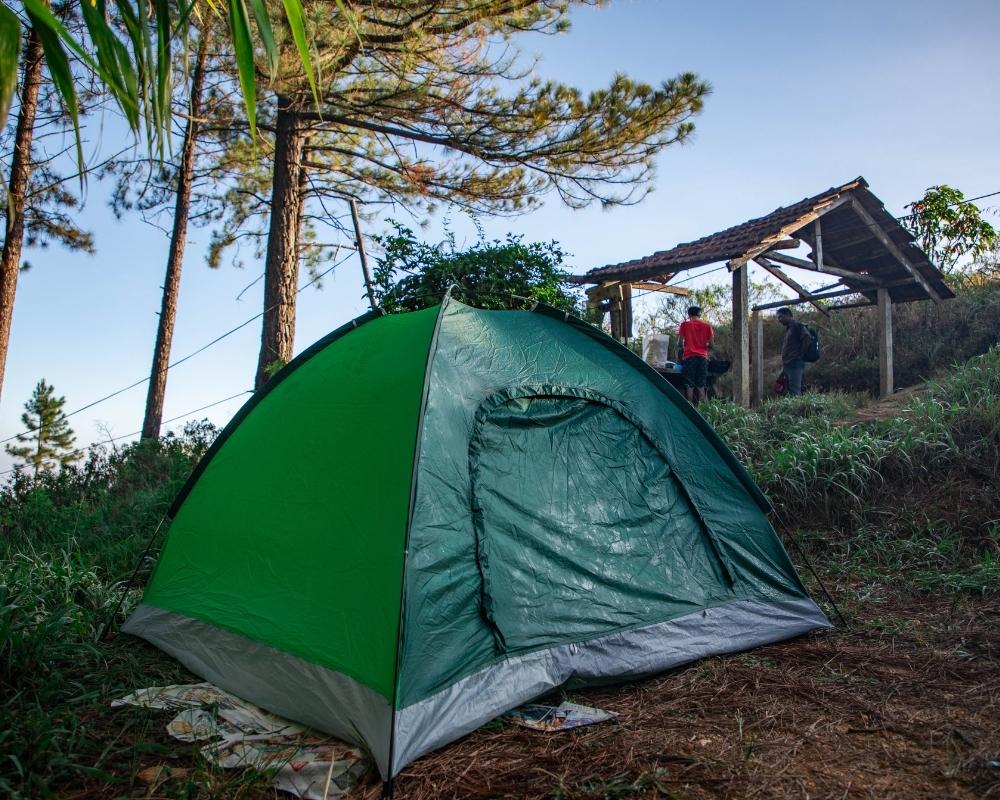
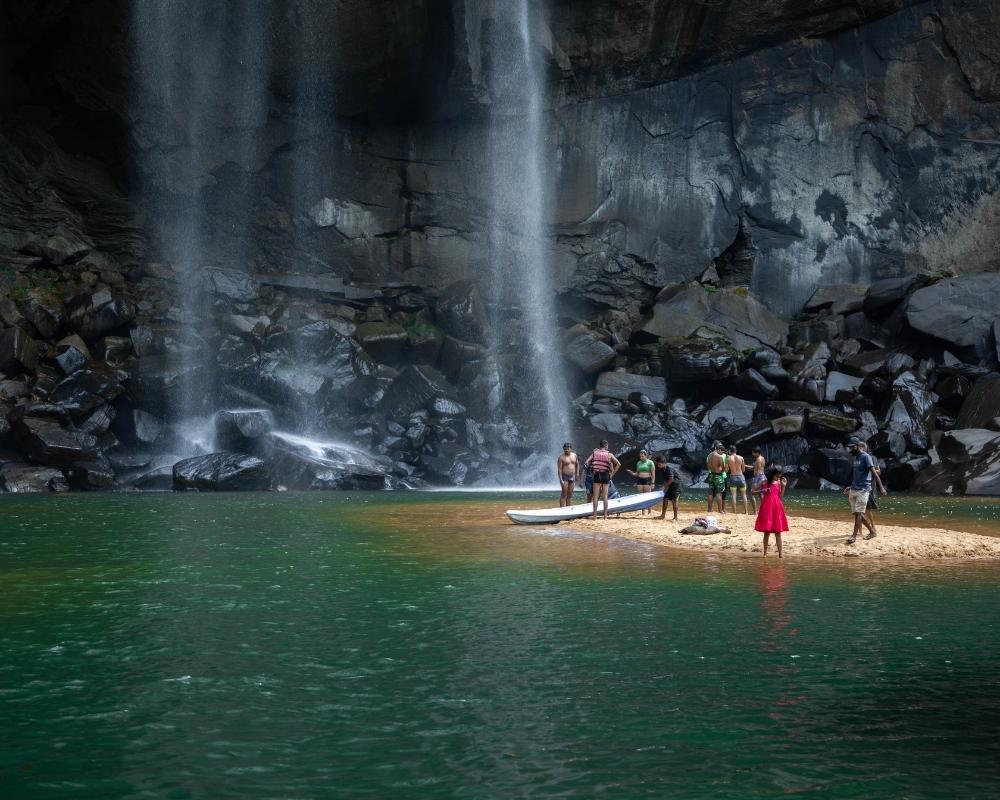
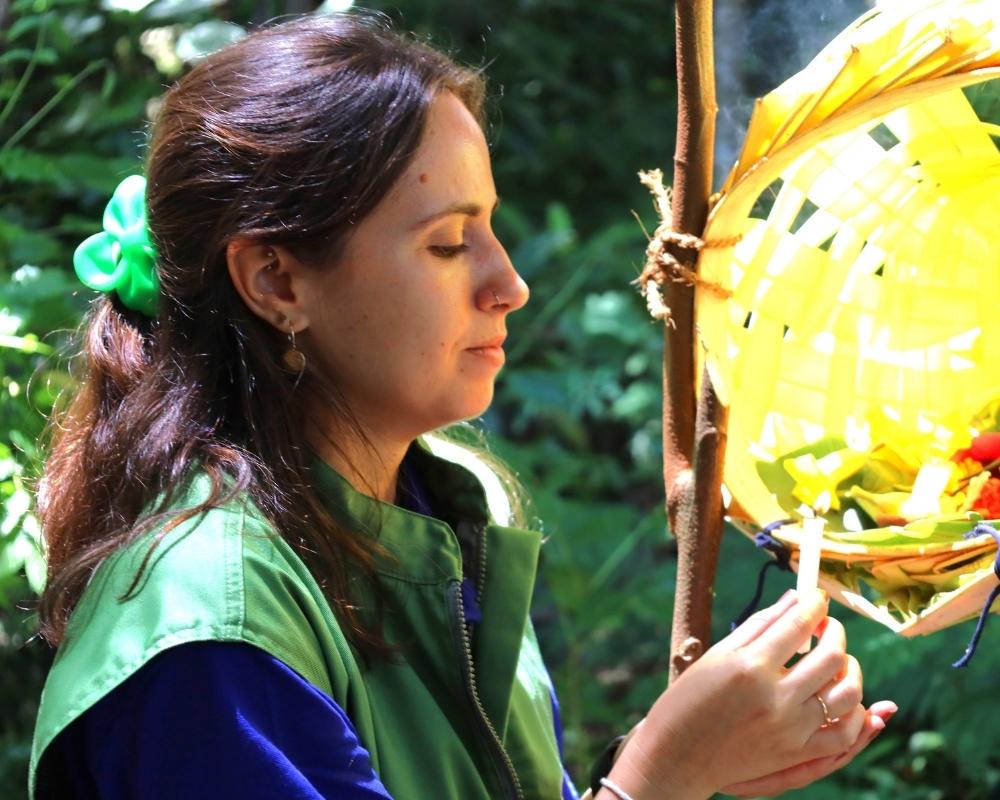
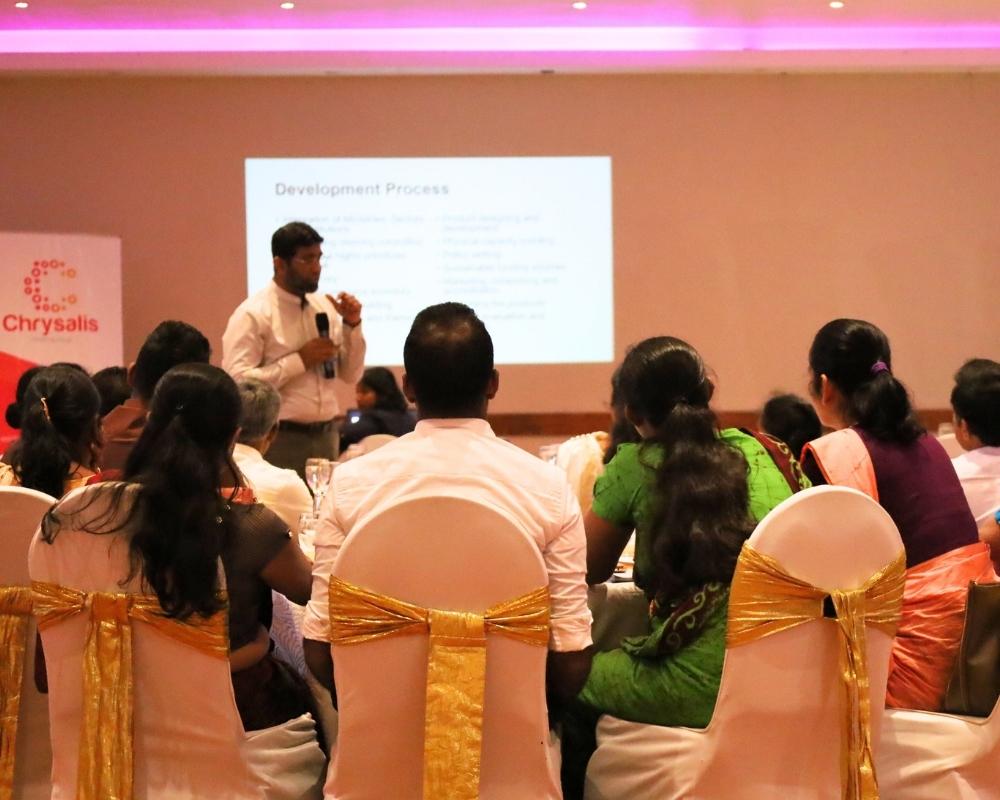
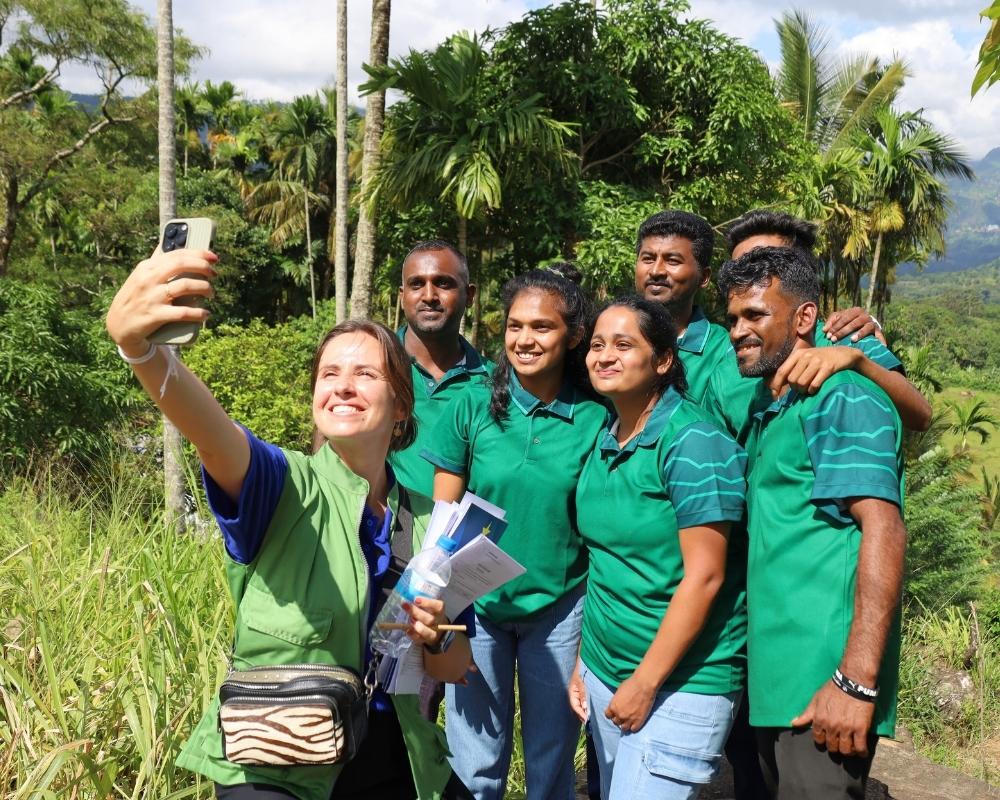
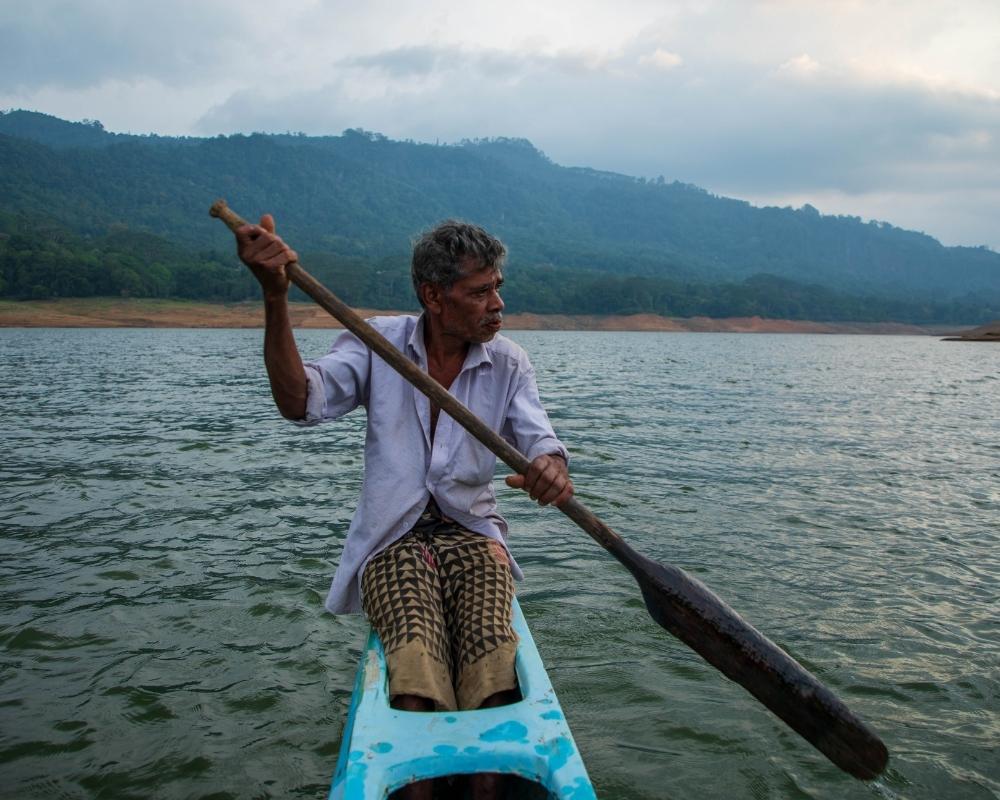
The gallery showcases selected moments from the project, capturing key activities, milestones, and on-the-ground engagement. These snapshots offer a visual insight into the project’s journey, highlighting participation, collaboration, and the real-world impact created through this initiative.

No Videos Found