2021 - 2025
Strengthening Inclusive Governance, Civic Engagement and Sustainable Development Outcome - WIIG
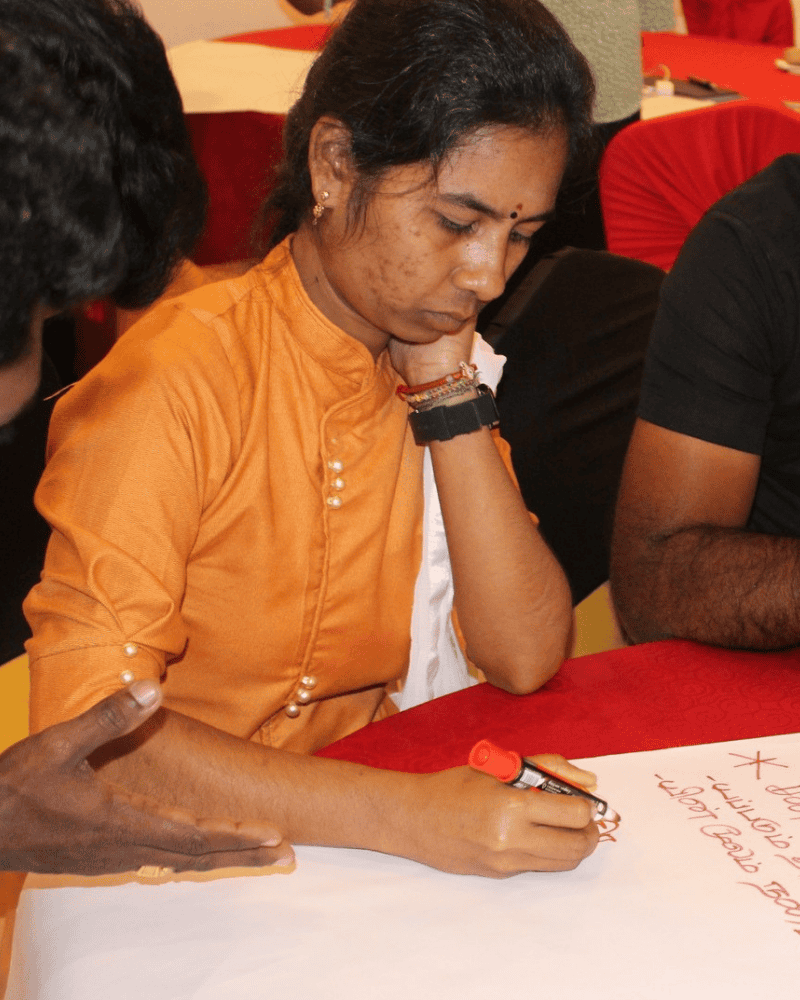
The Strengthening Inclusive Governance, Civic Engagement and Sustainable Development Outcomes by Transforming Societal Norms and Empowering Women Leaders and CSOs project is designed to strengthen inclusive governance systems and promote sustainable development outcomes by addressing the structural, institutional, and socio-cultural barriers that limit women’s meaningful participation in political and civic life. Implemented in Sri Lanka’s Eastern Province, the initiative focuses on empowering women leaders and civil society organisations while fostering an enabling environment for participatory and accountable local governance.
The project responds to deeply rooted gender inequalities and power imbalances that continue to marginalise women, particularly those from economically disadvantaged and socially excluded communities. While the introduction of a 25% quota for women in local government has increased numerical representation, many women elected to local authorities remain excluded from decision-making processes, often operating within male-dominated political structures that restrict their influence and leadership.
At the same time, the broader governance landscape is shaped by shrinking civic space, ethnic polarisation, and entrenched patronage-based political systems, further limiting opportunities for inclusive participation. Women leaders frequently face additional challenges such as limited access to resources, a lack of technical knowledge, social stigma, and domestic responsibilities, which hinder their engagement in public life.
Recognising these intersecting challenges, the project adopts a holistic approach that goes beyond representation to build leadership capacity, strengthen institutions, and transform harmful social norms. It promotes collective action, enhances collaboration between civil society and local authorities, and supports communities to actively engage in planning and decision-making processes.
In addition, the project addresses emerging socio-economic vulnerabilities exacerbated by the COVID-19 pandemic, supporting women leaders and communities to develop gender-responsive solutions to economic hardship and public health challenges. Through this integrated approach, the project contributes to building more inclusive, resilient, and accountable local governance systems.
Pillars

Inclusive Governance