2023 - 2026
Sustainable Agriculture Project – Expanding Farmer Field Business School (FFBS) in Northern Districts of Sri Lanka
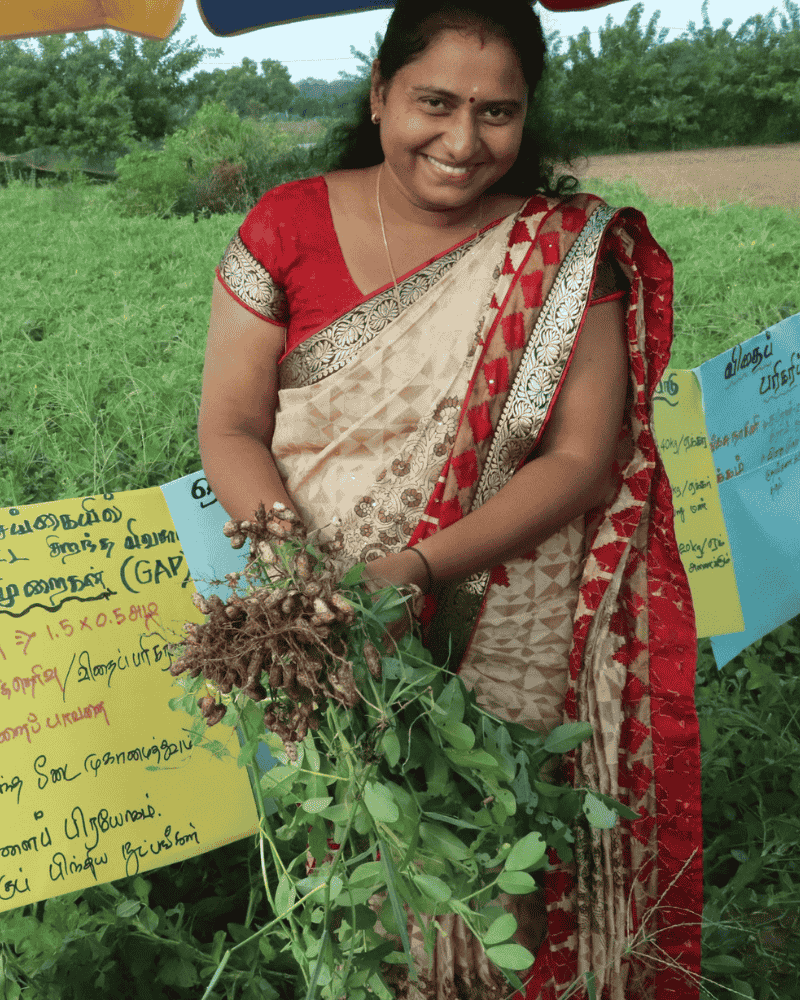
The Farmer Field and Business School (FFBS) project strengthens agricultural skills, promotes climate-smart techniques, empowers women, and builds livelihood resilience through improved market access. Structured around the SuPER principles: sustainable, productive, efficient, and resilient agricultural systems—the project combines hands-on learning, gender-transformative strategies, and market engagement to enhance livelihoods. Lead-farmers facilitate demonstration plots, providing practical training in climate-smart practices, while government extension services offer technical support to ensure long-term sustainability.
Smallholder farmers, particularly women, face multiple barriers that trap them in cycles of poverty and food insecurity. Limited access to modern agricultural training leads to low crop yields and inefficient farming practices. These challenges are further compounded by climate change, as unpredictable weather patterns and environmental degradation threaten livelihoods that farmers often lack the knowledge or resources to protect.
To address these challenges, the project provides comprehensive support beyond production. Farmers gain access to market linkages, produce aggregation, and value addition activities such as processing and packaging. Village Savings and Loan Associations (VSLA) enhance financial resilience, while gender barriers are actively addressed by improving women’s access to land, inputs, credit, and decision-making within households. This holistic approach fosters adaptive, resilient, and thriving farming communities.
Pillars

Climate Justice

Inclusive Business