Projects

filter icon
FILTER
filter icon

Filter Ongoing Projects

Select Partner(s)

Select Donor(s)

Select Piller

Clear Filter
project thumbnail

Redefining Conflict Prevention and Peacebuilding: Empowering CSOs for Sustainable Peace in Sri Lanka and the Maldives (REDEFINE)

Sri Lanka and the Maldives are increasingly affected by environmental and natural resource–related conflicts, which exacerbate social and political vulnerabilities. In Sri Lanka, environmental degradation, climate variability, and unsustainable resource practices heighten inter-community tensions and weaken social cohesion. In the Maldives, climate change, ecosystem degradation, and rapid development threaten fragile island environments and livelihoods, fueling disputes over conservation, tourism, and land use. Women and youth are disproportionately impacted and largely excluded from decision-making, while limited civic space constrains local civil society organisations (CSOs) from addressing the root causes of conflict, undermining inclusive governance, resilience, and long-term peace.

The EU-funded REDEFINE project – Redefining Conflict Prevention and Peacebuilding: Empowering CSOs for Sustainable Peace in Sri Lanka and the Maldives – seeks to strengthen crisis preparedness and promote sustainable peace in vulnerable communities. In Sri Lanka, the project is implemented directly by Chrysalis, while in the Maldives it is delivered in partnership with the Society for Island Geodesy and Sustainability (SIGS). Together, these partners empower women- and youth-led CSOs to spearhead inclusive peacebuilding initiatives and reinforce local resilience.

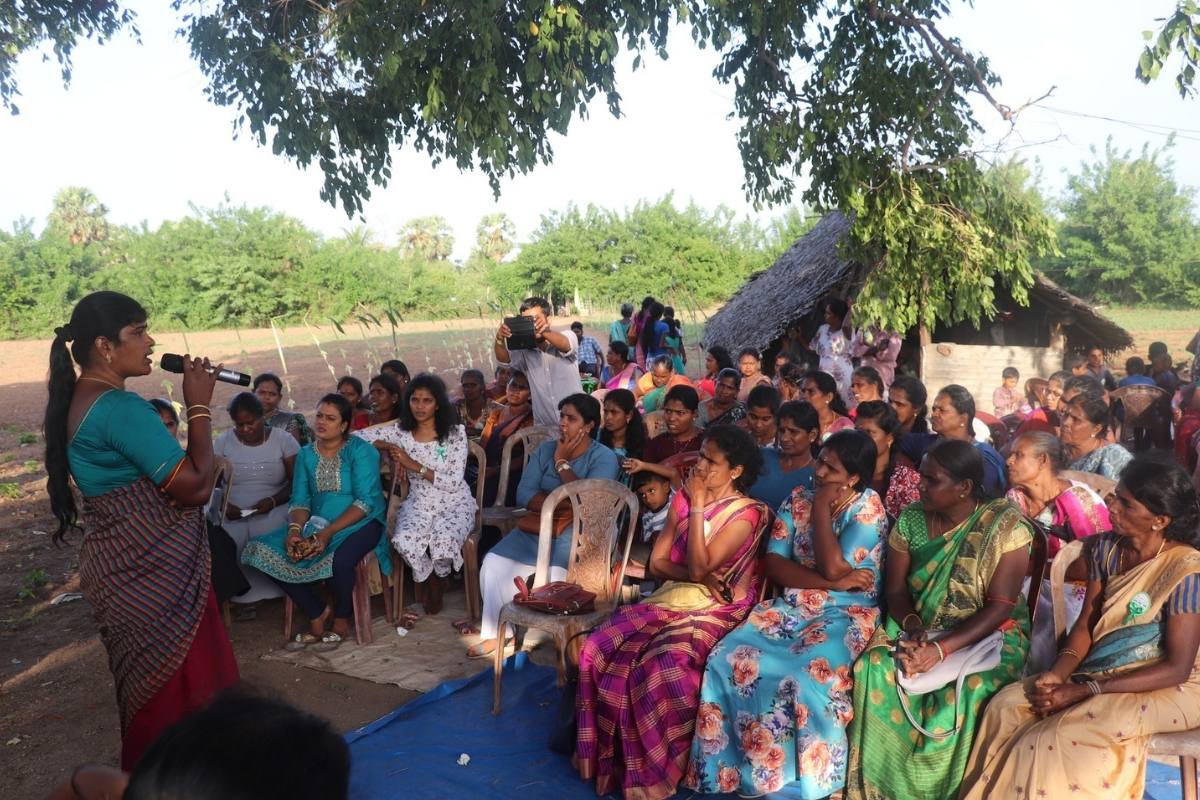
REDEFINE promotes collaborative environmental management and enhances CSO networks to foster dialogue and prevent conflict. For example, Chrysalis supports women’s groups in water management and agroforestry, helping reduce environmental stressors that can escalate disputes and integrating these efforts into broader peacebuilding forums. By linking environmental stewardship with inclusive governance, REDEFINE addresses the intertwined challenges of resource pressures, social tensions, and climate vulnerability, paving the way for lasting peace and community resilience.

Read More

project thumbnail

Multi-Actor Partnership for Pro-Poor and Gender-Equitable Climate Risk Financing in the Context of the IGP’s 2025 Vision

The Multi-Actor Partnership for Pro-Poor and Gender-Equitable Climate Risk Financing in the Context of the IGP’s 2025 Vision project seeks to advance inclusive and equitable climate risk financing in Sri Lanka by fostering collaboration among government institutions, private sector actors, financial service providers, and civil society. In the face of increasing climate-related shocks—including floods, droughts, and extreme weather events—the project recognises that women and marginalised communities are disproportionately affected due to limited access to resources, information, and financial protection mechanisms. It therefore prioritises ensuring that climate financing systems are accessible, affordable, and responsive to the needs of those most at risk.

Aligned with the Insurance Growth Plan (IGP) 2025 Vision, the project supports the design, development, and uptake of inclusive risk financing solutions, including insurance products and broader financial protection mechanisms tailored to low-income and underserved populations. It promotes the integration of gender and equity considerations into national and sectoral frameworks, while strengthening coordination between key stakeholders to create a more enabling environment for inclusive climate finance.

Implemented by Chrysalis with support from CARE Deutschland-Luxemburg and BMZ, the project adopts a systems-strengthening approach that bridges policy, institutions, and communities. It generates evidence on climate vulnerabilities, builds the capacity of financial and insurance actors to develop gender-responsive products, and amplifies community voices—particularly those of women—to influence decision-making processes. Through these efforts, the project contributes to strengthening disaster risk governance and enhancing financial resilience at both community and institutional levels, ultimately supporting a more inclusive, adaptive, and resilient financial ecosystem in Sri Lanka.

Read More
project thumbnail

Sustainable Agriculture Project – Expanding Farmer Field Business School (FFBS) in Northern Districts of Sri Lanka

The Farmer Field and Business School (FFBS) project strengthens agricultural skills, promotes climate-smart techniques, empowers women, and builds livelihood resilience through improved market access. Structured around the SuPER principles: sustainable, productive, efficient, and resilient agricultural systems—the project combines hands-on learning, gender-transformative strategies, and market engagement to enhance livelihoods. Lead-farmers facilitate demonstration plots, providing practical training in climate-smart practices, while government extension services offer technical support to ensure long-term sustainability.

Smallholder farmers, particularly women, face multiple barriers that trap them in cycles of poverty and food insecurity. Limited access to modern agricultural training leads to low crop yields and inefficient farming practices. These challenges are further compounded by climate change, as unpredictable weather patterns and environmental degradation threaten livelihoods that farmers often lack the knowledge or resources to protect.

To address these challenges, the project provides comprehensive support beyond production. Farmers gain access to market linkages, produce aggregation, and value addition activities such as processing and packaging. Village Savings and Loan Associations (VSLA) enhance financial resilience, while gender barriers are actively addressed by improving women’s access to land, inputs, credit, and decision-making within households. This holistic approach fosters adaptive, resilient, and thriving farming communities.

Read More
filter icon
FILTER
filter icon

Filter Completed Projects

Select Partner(s)

Select Donor(s)

Select Piller

Clear Filter
project thumbnail

Redefining Conflict Prevention and Peacebuilding: Empowering CSOs for Sustainable Peace in Sri Lanka and the Maldives (REDEFINE)

Sri Lanka and the Maldives are increasingly affected by environmental and natural resource–related conflicts, which exacerbate social and political vulnerabilities. In Sri Lanka, environmental degradation, climate variability, and unsustainable resource practices heighten inter-community tensions and weaken social cohesion. In the Maldives, climate change, ecosystem degradation, and rapid development threaten fragile island environments and livelihoods, fueling disputes over conservation, tourism, and land use. Women and youth are disproportionately impacted and largely excluded from decision-making, while limited civic space constrains local civil society organisations (CSOs) from addressing the root causes of conflict, undermining inclusive governance, resilience, and long-term peace.

The EU-funded REDEFINE project – Redefining Conflict Prevention and Peacebuilding: Empowering CSOs for Sustainable Peace in Sri Lanka and the Maldives – seeks to strengthen crisis preparedness and promote sustainable peace in vulnerable communities. In Sri Lanka, the project is implemented directly by Chrysalis, while in the Maldives it is delivered in partnership with the Society for Island Geodesy and Sustainability (SIGS). Together, these partners empower women- and youth-led CSOs to spearhead inclusive peacebuilding initiatives and reinforce local resilience.

REDEFINE promotes collaborative environmental management and enhances CSO networks to foster dialogue and prevent conflict. For example, Chrysalis supports women’s groups in water management and agroforestry, helping reduce environmental stressors that can escalate disputes and integrating these efforts into broader peacebuilding forums. By linking environmental stewardship with inclusive governance, REDEFINE addresses the intertwined challenges of resource pressures, social tensions, and climate vulnerability, paving the way for lasting peace and community resilience.

Read More

project thumbnail

Multi-Actor Partnership for Pro-Poor and Gender-Equitable Climate Risk Financing in the Context of the IGP’s 2025 Vision

The Multi-Actor Partnership for Pro-Poor and Gender-Equitable Climate Risk Financing in the Context of the IGP’s 2025 Vision project seeks to advance inclusive and equitable climate risk financing in Sri Lanka by fostering collaboration among government institutions, private sector actors, financial service providers, and civil society. In the face of increasing climate-related shocks—including floods, droughts, and extreme weather events—the project recognises that women and marginalised communities are disproportionately affected due to limited access to resources, information, and financial protection mechanisms. It therefore prioritises ensuring that climate financing systems are accessible, affordable, and responsive to the needs of those most at risk.

Aligned with the Insurance Growth Plan (IGP) 2025 Vision, the project supports the design, development, and uptake of inclusive risk financing solutions, including insurance products and broader financial protection mechanisms tailored to low-income and underserved populations. It promotes the integration of gender and equity considerations into national and sectoral frameworks, while strengthening coordination between key stakeholders to create a more enabling environment for inclusive climate finance.

Implemented by Chrysalis with support from CARE Deutschland-Luxemburg and BMZ, the project adopts a systems-strengthening approach that bridges policy, institutions, and communities. It generates evidence on climate vulnerabilities, builds the capacity of financial and insurance actors to develop gender-responsive products, and amplifies community voices—particularly those of women—to influence decision-making processes. Through these efforts, the project contributes to strengthening disaster risk governance and enhancing financial resilience at both community and institutional levels, ultimately supporting a more inclusive, adaptive, and resilient financial ecosystem in Sri Lanka.

Read More
project thumbnail

Sustainable Agriculture Project – Expanding Farmer Field Business School (FFBS) in Northern Districts of Sri Lanka

The Farmer Field and Business School (FFBS) project strengthens agricultural skills, promotes climate-smart techniques, empowers women, and builds livelihood resilience through improved market access. Structured around the SuPER principles: sustainable, productive, efficient, and resilient agricultural systems—the project combines hands-on learning, gender-transformative strategies, and market engagement to enhance livelihoods. Lead-farmers facilitate demonstration plots, providing practical training in climate-smart practices, while government extension services offer technical support to ensure long-term sustainability.

Smallholder farmers, particularly women, face multiple barriers that trap them in cycles of poverty and food insecurity. Limited access to modern agricultural training leads to low crop yields and inefficient farming practices. These challenges are further compounded by climate change, as unpredictable weather patterns and environmental degradation threaten livelihoods that farmers often lack the knowledge or resources to protect.

To address these challenges, the project provides comprehensive support beyond production. Farmers gain access to market linkages, produce aggregation, and value addition activities such as processing and packaging. Village Savings and Loan Associations (VSLA) enhance financial resilience, while gender barriers are actively addressed by improving women’s access to land, inputs, credit, and decision-making within households. This holistic approach fosters adaptive, resilient, and thriving farming communities.

Read More
filter icon
FILTER
filter icon

Filter Upcoming Projects

Select Partner(s)

Select Donor(s)

Select Piller

Clear Filter
project thumbnail

Redefining Conflict Prevention and Peacebuilding: Empowering CSOs for Sustainable Peace in Sri Lanka and the Maldives (REDEFINE)

Sri Lanka and the Maldives are increasingly affected by environmental and natural resource–related conflicts, which exacerbate social and political vulnerabilities. In Sri Lanka, environmental degradation, climate variability, and unsustainable resource practices heighten inter-community tensions and weaken social cohesion. In the Maldives, climate change, ecosystem degradation, and rapid development threaten fragile island environments and livelihoods, fueling disputes over conservation, tourism, and land use. Women and youth are disproportionately impacted and largely excluded from decision-making, while limited civic space constrains local civil society organisations (CSOs) from addressing the root causes of conflict, undermining inclusive governance, resilience, and long-term peace.

The EU-funded REDEFINE project – Redefining Conflict Prevention and Peacebuilding: Empowering CSOs for Sustainable Peace in Sri Lanka and the Maldives – seeks to strengthen crisis preparedness and promote sustainable peace in vulnerable communities. In Sri Lanka, the project is implemented directly by Chrysalis, while in the Maldives it is delivered in partnership with the Society for Island Geodesy and Sustainability (SIGS). Together, these partners empower women- and youth-led CSOs to spearhead inclusive peacebuilding initiatives and reinforce local resilience.

REDEFINE promotes collaborative environmental management and enhances CSO networks to foster dialogue and prevent conflict. For example, Chrysalis supports women’s groups in water management and agroforestry, helping reduce environmental stressors that can escalate disputes and integrating these efforts into broader peacebuilding forums. By linking environmental stewardship with inclusive governance, REDEFINE addresses the intertwined challenges of resource pressures, social tensions, and climate vulnerability, paving the way for lasting peace and community resilience.

Read More
project thumbnail

Multi-Actor Partnership for Pro-Poor and Gender-Equitable Climate Risk Financing in the Context of the IGP’s 2025 Vision

The Multi-Actor Partnership for Pro-Poor and Gender-Equitable Climate Risk Financing in the Context of the IGP’s 2025 Vision project seeks to advance inclusive and equitable climate risk financing in Sri Lanka by fostering collaboration among government institutions, private sector actors, financial service providers, and civil society. In the face of increasing climate-related shocks—including floods, droughts, and extreme weather events—the project recognises that women and marginalised communities are disproportionately affected due to limited access to resources, information, and financial protection mechanisms. It therefore prioritises ensuring that climate financing systems are accessible, affordable, and responsive to the needs of those most at risk.

Aligned with the Insurance Growth Plan (IGP) 2025 Vision, the project supports the design, development, and uptake of inclusive risk financing solutions, including insurance products and broader financial protection mechanisms tailored to low-income and underserved populations. It promotes the integration of gender and equity considerations into national and sectoral frameworks, while strengthening coordination between key stakeholders to create a more enabling environment for inclusive climate finance.

Implemented by Chrysalis with support from CARE Deutschland-Luxemburg and BMZ, the project adopts a systems-strengthening approach that bridges policy, institutions, and communities. It generates evidence on climate vulnerabilities, builds the capacity of financial and insurance actors to develop gender-responsive products, and amplifies community voices—particularly those of women—to influence decision-making processes. Through these efforts, the project contributes to strengthening disaster risk governance and enhancing financial resilience at both community and institutional levels, ultimately supporting a more inclusive, adaptive, and resilient financial ecosystem in Sri Lanka.

Read More
project thumbnail

Sustainable Agriculture Project – Expanding Farmer Field Business School (FFBS) in Northern Districts of Sri Lanka

The Farmer Field and Business School (FFBS) project strengthens agricultural skills, promotes climate-smart techniques, empowers women, and builds livelihood resilience through improved market access. Structured around the SuPER principles: sustainable, productive, efficient, and resilient agricultural systems—the project combines hands-on learning, gender-transformative strategies, and market engagement to enhance livelihoods. Lead-farmers facilitate demonstration plots, providing practical training in climate-smart practices, while government extension services offer technical support to ensure long-term sustainability.

Smallholder farmers, particularly women, face multiple barriers that trap them in cycles of poverty and food insecurity. Limited access to modern agricultural training leads to low crop yields and inefficient farming practices. These challenges are further compounded by climate change, as unpredictable weather patterns and environmental degradation threaten livelihoods that farmers often lack the knowledge or resources to protect.

To address these challenges, the project provides comprehensive support beyond production. Farmers gain access to market linkages, produce aggregation, and value addition activities such as processing and packaging. Village Savings and Loan Associations (VSLA) enhance financial resilience, while gender barriers are actively addressed by improving women’s access to land, inputs, credit, and decision-making within households. This holistic approach fosters adaptive, resilient, and thriving farming communities.

Read More
filter icon

Filter Ongoing Projects

Select Partner(s)

Select Donor(s)

Select Pillar

Clear Filter