Case Studies

Latest Case Study

08, Mar 2025

Nourishing Communities and Futures: Venasa Caterers’ Journey to Inclusive Growth

In the quiet hills of Matale, central Sri Lanka, verdant landscapes of spice gardens, paddy fields, and small-scale agriculture define the local economy. The district is a tapestry of ethnic and religious diversity, with communities coexisting across rural villages and plantation estates. Despite this rich cultural and natural wealth, many young people in Matale face limited opportunities, often entering the workforce unskilled due to low enrolment and retention rates in primary education among both boys and girls. According to the UNDP Multidimensional Vulnerabilities Impact Report, these educational gaps contribute to fragile livelihoods, high levels of unemployment, and the prevalence of precarious informal employment. Against this backdrop of untapped potential and economic vulnerability, small enterprises have the power to transform local communities by creating meaningful work, building skills, and fostering inclusive growth.

Venasa Caterers stands as one such example, where vision and perseverance meet opportunity. A humble kitchen that blossomed into a vibrant model of inclusive, sustainable enterprise. Venasa Caterers, founded by Sugath Udagedara in 2018 and formally registered in 2019, is more than a catering service. It embodies resilience, compassionate leadership, and community driven growth deeply rooted in Sri Lankan culture. Today, Venasa Caterers serves nearly every major government institution in the Matale district, from the Divisional Secretariat, Police, and Zonal Education Offices to diplomatic events, handling up to 90% of local government food orders. This remarkable growth, achieved through word-of-mouth alone, reflects not only the quality of the service but also Sugath’s commitment to creating opportunities for local people. He mastered every aspect of the business on the job, from using cutlery and serving diplomats to plating and managing large-scale events, demonstrating a steep learning curve guided by humility, adaptability, and a vision for inclusive, community-centred enterprise.

Catalyst for Change: Venasa Caterers’ Journey of Inclusion and Sustainability with FICE

Sugath first learned of the Chrysalis FICE programme through the Divisional Secretariat. With its support, Venasa Caterers received essential catering equipment buffet sets, steamers, and other tools—that immediately elevated both operations and professional presentation.

“These tools elevated our service and we can now cater with efficiency, maintain hygiene, and meet demand with confidence.”

Beyond equipment, the FICE project also opened new perspectives through training. The insights he gained proved transformative. He began to see his enterprise not only as a livelihood but also as a platform for youth empowerment, inclusion, and social coexistence. By integrating better business planning and sustainable practices, Venasa Caterers evolved into more than a service provider. It became a vehicle for inclusive growth, shaping opportunities for others while strengthening community bonds.

An Inclusive Employment Model

At the heart of Venasa Caterers’ success is its deeply inclusive employment model one that directly reflects the values reinforced through the FICE project. Sugath recruits across ethnic, age, and gender lines, ensuring that his workforce mirrors Sri Lanka’s rich diversity. Older workers, often displaced or unemployed, are engaged in packaging and preparation; young people, many from marginalized estate-sector communities, are hired for service roles. To support them, Sugath provides accommodation, uniforms, and meals, creating a “family-like environment” where Sinhala and Tamil, men and women, youth and elderly, work side by side.

“Our business needs both young and older employees, and I believe everyone here truly deserves their place. I can see that the young boys especially are enjoying their work.”

Through FICE mentoring, Sugath began to view his enterprise not only as a business but also as a social ecosystem. He introduced measures that strengthen inclusion and wellbeing: a uniform system that instils pride, and a zero-tolerance policy on alcohol or drug abuse that promotes safety and professionalism. Once plagued by high turnover, Venasa Caterers now retains a loyal core team, with some members serving for over four years a rare achievement in the catering sector.

While lack of capital has slowed construction of a purpose-built catering facility and the recruitment of additional staff, FICE insights have helped Sugath develop strategies to expand inclusivity. He is actively creating opportunities for part-time female staff in client-interaction roles, recognizing both the confidence it instils in young women and the positive image it projects for the business.

“It boosts our image, and gives young women the confidence to shine in front of large crowds,”

On the management side, training through FICE project encouraged him to adopt structured practices, such as outsourcing administrative tasks like EPF/ETF contributions, tax filing, and auditing to professionals, freeing his time for operations and growth. He has also begun applying small but impactful learnings from FICE mentoring sessions, including improved quality monitoring systems, more transparent financial practices, and strategic approaches to scaling. These incremental but deliberate changes reflect the transformative influence of the project, equipping entrepreneurs not only with tools but with the mindset to embed inclusivity, sustainability, and resilience into every layer of their businesses.

A Small Business Championing Progressive and Inclusive Measures

Sugath envisions a purpose-built, eco-conscious catering facility that generates employment, responds to community needs, and sets a standard for sustainable business practices. He already has the land, the plan, and the vision. What remains is the capital to bring it to life.

With continued support from programmes like the Chrysalis FICE initiative, as well as new strategic partnerships, Venasa Caterers has the potential to serve as a national model of how small enterprises can scale while staying rooted in equity, culture, and care. The next phase of growth will allow Sugath to embed practices that strengthen green innovations, expand inclusive hiring, and deepen workplace systems that ensure dignity, fairness, and opportunity.

By maintaining diversity, equality, and inclusion as guiding principles, Venasa Caterers exemplifies how responsible business can drive both social impact and sustainable economic p

Read More

Other Case Studies

case study thumbnail

Growing Hope at Home : How Chrysalis Transformed Our Garden and Our Lives

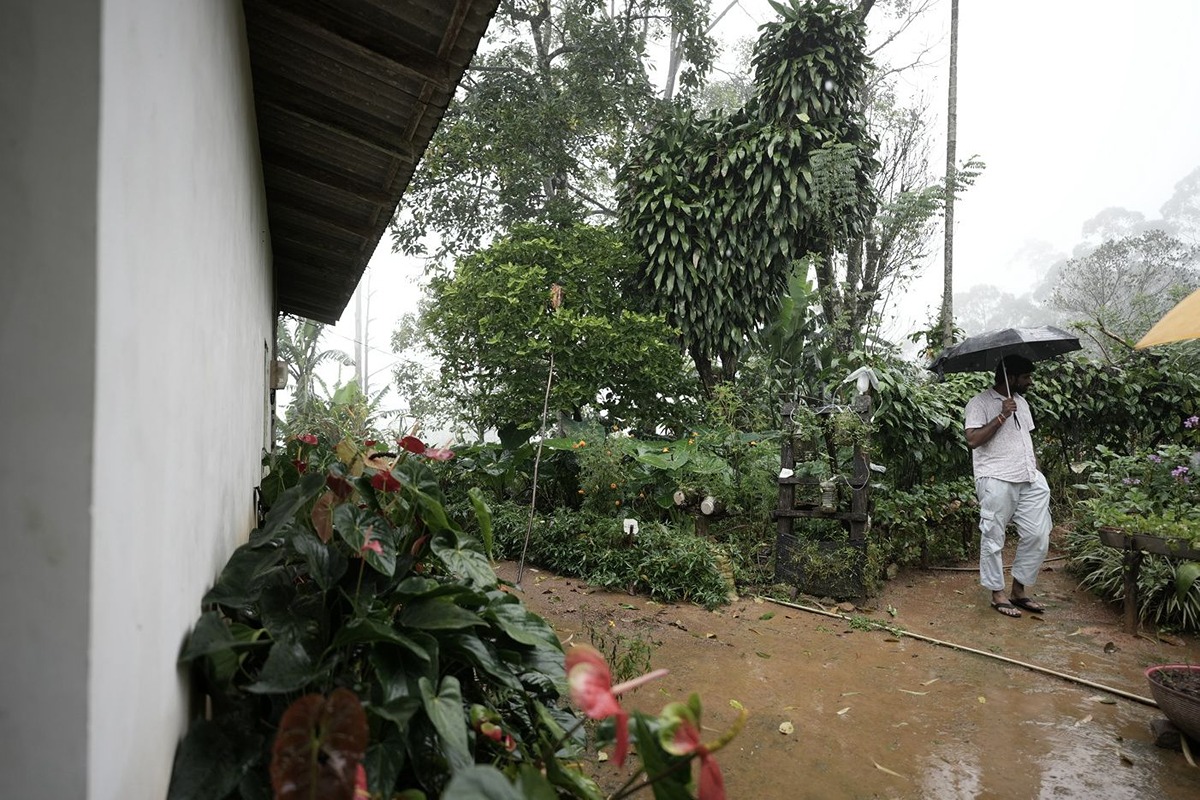
When our local Agricultural Officer first spoke to us about a home gardening project by Chrysalis, we weren’t sure what to expect. For years, we had dreamed of cultivating a small but productive garden at home, but limited knowledge and resources always held us back. The idea of turning our backyard into something meaningful felt distant until this project entered our lives.

It all began with an application form; we applied from Nuwara Eliya District, Kothmale DS Division, Kadadora village/area. It was followed by a visit by an officer from Chrysalis. She walked through our small plot, listened patiently to our plans, and assured us that with the right guidance, our dream could take root. True to her word, she gave us not just instructions but hope, laying the foundation for what would soon become more than just a garden.

Over the weeks, we participated in nearly ten training sessions. These weren't just lessons—they were eye-opening experiences. We learned how to prepare a home garden from scratch, propagate plants, apply fertilizers wisely, and manage pests without harming the soil. For the first time, we were shown how to make our own fertilizers and pesticides—both organic and chemical—and we realized how self-reliant we could become.

One of the most memorable parts of the journey was our visit to the Ganoruwa Agricultural Institute. Standing among fellow learners and guided by experts, we discovered the art of seed selection and plant propagation. It was more than technical training—it was inspiration.

Slowly but surely, our garden came alive. What once was an empty patch of soil now blossomed with vegetables and fruits. Each seed we planted carried a lesson, and every harvest became a story of growth. The fresh produce not only supported our meals but also generated an additional income for our family.

This transformation was made possible through Chrysalis’ support—providing agricultural inputs such as plants, equipment, and tools, along with technical and practical training and exposure visits that strengthened our knowledge and confidence.

But the true impact went beyond financial gains. Working in the garden gave us something priceless—peace of mind. Each hour spent among the plants reduced stress and brought joy. Tending to our crops, watching them flourish under our care, felt like therapy for the soul.

Today, we take pride in knowing that we can minimize expenses on expensive chemicals by using natural solutions like garlic and neem. This not only protects our health but also keeps our soil fertile for the future.

What began as a small initiative has transformed our lives in ways we never imagined. Home gardening has not just increased our income—it has improved our well-being, connected us with nature, and filled our home with both nourishment and happiness. Thanks to Chrysalis, what once was just a backyard is now a garden of hope, resilience, and growth.

View Case Study
case study thumbnail

A New Beginning for Ramanathapuram Farmers , A Community Transformed

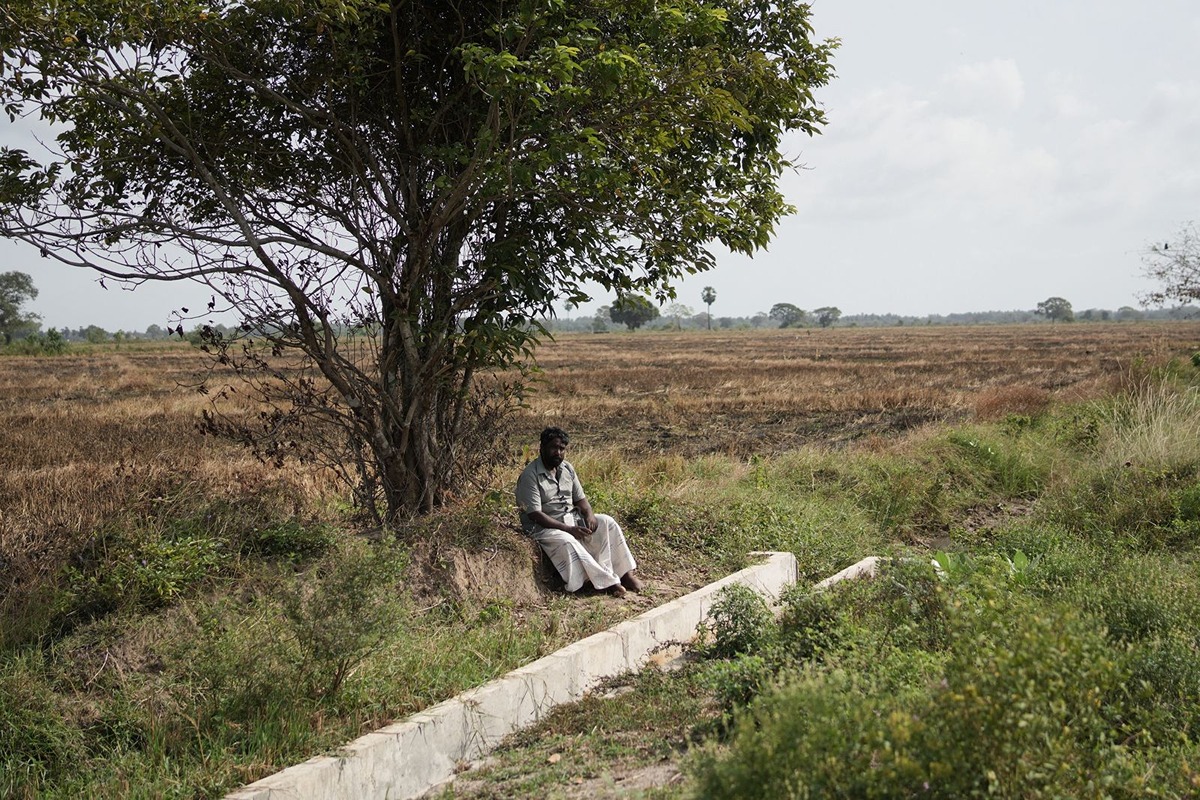
For years, the farmers of Ramanathapuram lived with a burden that went beyond their fields. The very road that connected two farming villages—the lifeline for their work, their families, and even their access to hospitals—was slowly crumbling.

There was a canal, but it was poorly managed. Whenever water overflowed, it spilled into the streets, damaging them further. What should have been a blessing became a problem. Farmers struggled to bring their harvest to the market. Families found it hard to travel safely. Even urgent trips to the hospital became risky and delayed.

The situation left many in despair, but together, the Ramanathapuram Farmers’ Association decided to raise their voices. Their request was clear: the canal had to be restored and properly developed—not just for farming, but for the safety and dignity of everyone who depended on it .

Through the support of Chrysalis, that request turned into reality. The canal was carefully developed, allowing water to be distributed across 160 acres of farmland. Today, the benefits ripple far and wide—125 farming families now thrive with a reliable water flow that nourishes their crops without flooding their streets and farm land.

The change is visible in every corner of the villages. The streets that were once broken and dangerous are now preserved. Farmers can carry their harvest without fear of damage. Families can move freely between villages. And most importantly, reaching hospitals and essential services is no longer a struggle.

What was once a daily hardship has now become a story of resilience and relief. For the farmers of Ramanathapuram, this canal is more than just a waterway—it is a lifeline. It has not only safeguarded their farms and homes but has also restored peace of mind. With the help of Chrysalis, the community now looks at their streets with pride, knowing they are walking not just on safer ground, but towards a better future.

View Case Study
case study thumbnail

From Struggle to Strength: How Chrysalis Transformed a Farmer’s Future

For as long as he can remember, Nahamuthu Loganathan from Umaiyalpuram has been a farmer. From his childhood, farming wasn’t just work—it was life. On his land, he cultivated vegetables like moringa, capsicum, chillies, and tomatoes.

But behind the green fields lay challenges that weighed heavily on him. The biggest struggle was labor. "I used to hire more people to work on the farm," Loganathan recalls. "But the charges were high, and it was becoming difficult to manage". The cost of labor cut deep into his earnings, leaving little room for savings or growth.

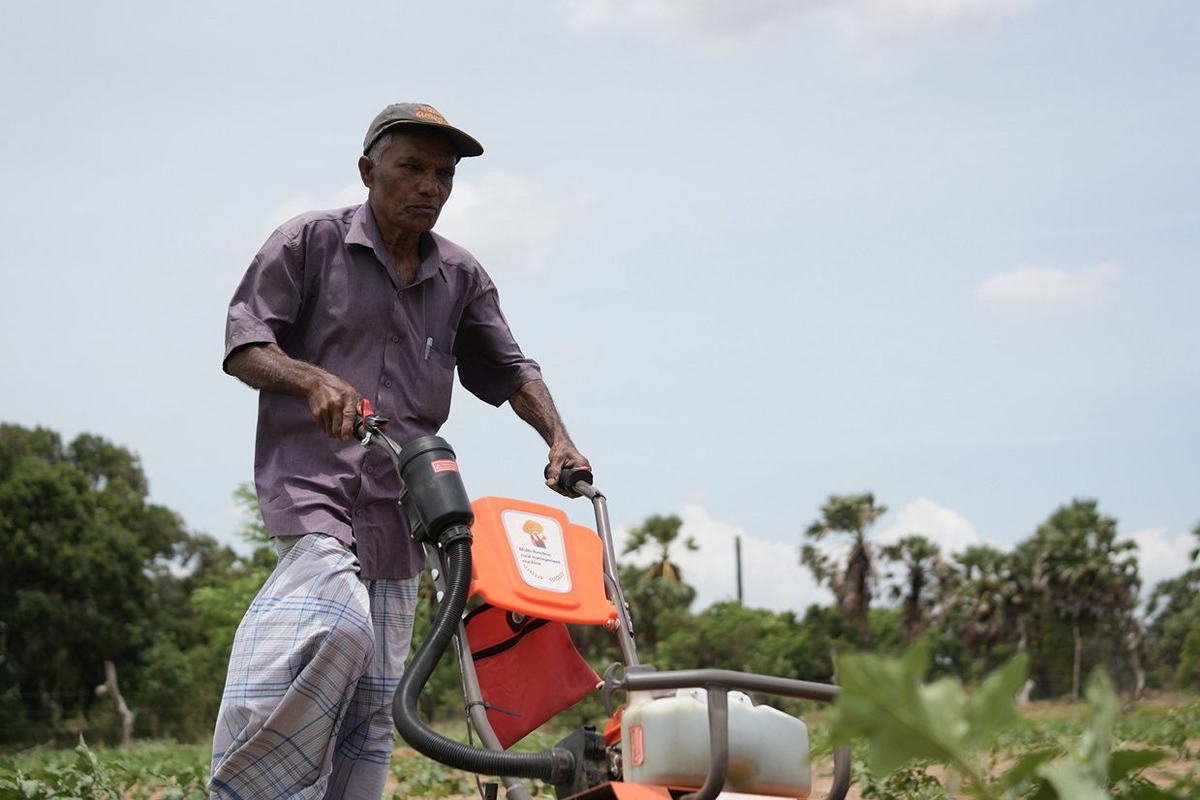
That’s when support from Chrysalis changed the rhythm of his farming. The organization provided him with a tiller—a machine that reduced hours of backbreaking work into quick, efficient tasks. "Now, the only cost I have is for fuel," Loganathan says with relief . What once required hiring several workers can now be done in a fraction of the time.

But the tiller was only part of the transformation. Alongside, Loganathan received training on good farming practices—how to use fertilizers wisely, how to manage soil health, and how to tackle crop diseases without losing yields. These lessons gave him confidence and skills that extended beyond a single season.

Today, Loganathan’s farm looks different—not only in the vegetables it grows, but in the energy and hope it carries. With reduced expenses, healthier crops, and the knowledge to face challenges head-on, he sees farming not as a struggle, but as a future worth investing in. "Farming has been my life since I was small," Loganathan says, smiling. "Now, with these tools and training, it feels like I can farm with strength and hope again".

View Case Study
case study thumbnail

When the Canal Brought Life Back to AmmiVaitha Kulam

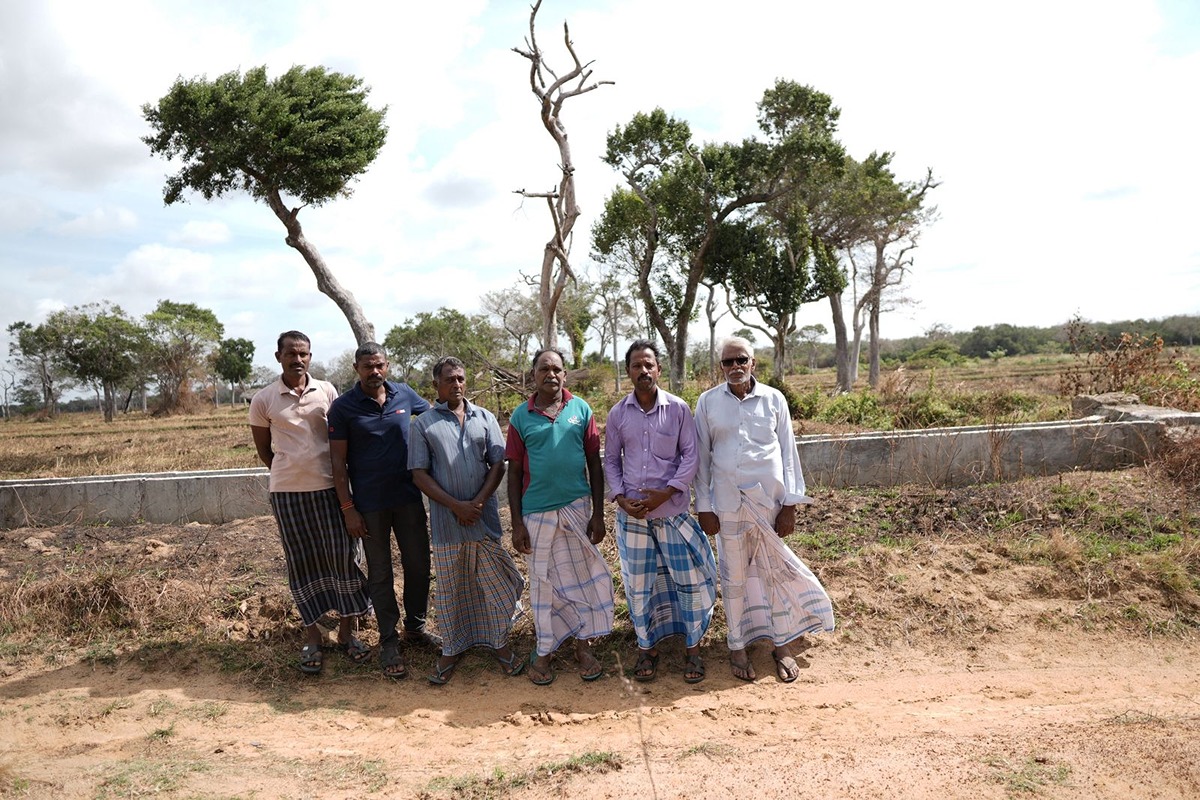
In Manthai East DS Division, Mullaitivu, the farmers of AmmiVaitha Kulam had long struggled with a broken canal. Once designed to carry water to their fields, the canal had deteriorated over the years, spilling water onto the streets and couldn't feed the crops in the latter part of the field land. The result was twofold—paddy fields starved for irrigation, while nearby roads became waterlogged and damaged.

For the 47 families who own and cultivate 30 acres of land here, the canal was not just a piece of infrastructure; it was their lifeline . Without its steady flow, cultivation was uncertain, and livelihoods hung in the balance.

"Our fields were suffering and even our streets were being damaged," recalls Nadarasa Kamalathasan, a farmer whose family depends on this land. "We could see the water, but it was never reaching where it was needed most".

The Oddaruththakulam Farmers Association raised the issue, and with Chrysalis stepping in to support the community, repairs to the canal were finally carried out. The broken sections were fixed, and the water was guided back to where it belonged—the paddy fields.

The change was immediate and visible. Now, all 30 acres are receiving sufficient water, and all 47 partner families are benefiting from the revival of cultivation. For farmers who had grown weary of watching water go to waste, this was more than a repair project; it was the return of hope .

"I am also a beneficiary of this canal," says Vedanayagam Thevanayagam, President of the Oddaruththakulam Farmers Association. "Now our lands are getting water again. The next challenge is our roads, which still need to be improved. I believe with your help, we can renovate them too".

Today, the people of Ammi Vaitha Kulam walk their fields with renewed energy, confident that the water flowing through their canal will sustain not just their crops, but their families as well. For the farmers of Manthai East DS Division, this simple but vital intervention has transformed daily struggles into future possibilities—proof that when water flows, life follows.

View Case Study
case study thumbnail

From Brinjal to a Basket of Hope : Kukanisha’s Journey with Organic Farming

In the Manthai East DS Division area, Kukanisha Sindushan has spent the last five years quietly proving that resilience and determination can turn even the smallest beginnings into something extraordinary.

Her journey into organic farming began with a single crop—brinjal. At first, it was just for her family’s use. But soon, the harvest exceeded what they could consume, and she started selling the surplus to local shops. What began as a way to provide for her household slowly grew into a livelihood.

The path, however, was not easy . Despite her determination, Kukanisha often found herself excluded from many agricultural programs she applied to. With limited resources, she had to depend on others for critical tasks, like spraying pesticides on her crops.

"It was frustrating to wait for someone else to come and help," she recalls. "Sometimes it delayed the work, and I worried about losing the harvest".

That turning point came when Chrysalis extended support. Through the initiative, she received pipes for irrigation and a power sprayer, giving her the independence to manage her crops without relying on others. "Now I can spray pesticides myself, whenever it is needed. I feel more in control of my farm," she says with pride.

With newfound confidence and resources, Kukanisha expanded her cultivation. Today, her land is rich with diversity—manioc, turmeric, ladies’ fingers, ginger, and a variety of vegetables thrive alongside the brinjal that started it all. Chrysalis also introduced her to unique seed varieties and provided training workshops on planning, fertilizer use, and modern organic practices.

One moment stands out in her memory. Her ginger crop once turned unusually yellow, and she feared the harvest would fail. Instead of giving up, she reached out to the Field officer attached to the Department of Agriculture. "They gave me advice on how to manage it, and the crop recovered. That support gave me courage to keep trying new things," she says.

For Kukanisha, farming is no longer just about survival—it is about independence, growth, and hope. She dreams of expanding her farm even further, planting more seeds, and showing her community the power of organic farming.

"I started for my family," she reflects, "but now my farm feeds many more people. Every season, I am learning and growing".

In Manthai East DS Division, her fields are more than rows of crops—they are a living testament to how knowledge, tools, and determination can transform lives. For Kukanisha, every harvest is proof that with the right support, women farmers can lead the way in creating sustainable change.

View Case Study
case study thumbnail

Healing Through Food : Farzan’s Journey from Medicine to Organic Farming

For years, Farzan Abdul Raazik from Ampara worked in the pharmaceutical sector. Day after day, he saw patients returning with chronic illnesses, many of them struggling with complications like diabetes. Even with treatment, he noticed, too many people were still losing limbs from unhealed wounds.

"I realized that medicine alone wasn't enough," Farzan recalls. "The root cause was also in the food we consume. There was a gap between food and medicine".

This realization marked the beginning of a new journey which started in 2019. Farzan turned to organic food, determined to explore how what we eat could prevent disease rather than just treat it. He began studying natural farming, and soon discovered the forgotten treasure of Sri Lanka’s indigenous seeds.

But the path was difficult. Organic farming, unlike conventional methods, gave him lower yields. Many around him questioned his decision. Yet Farzan remained determined.

"Sri Lanka once had so many indigenous rice varieties, rich in nutrition and fibre," he explains. "But with hybrid seeds and chemical fertilizers, we lost much of that heritage. The white rice we eat today spikes glucose levels, while traditional varieties like Batapola el rice keep them low”.

His efforts soon bore fruit. Farzan and his team began producing Batapola el rice, which has been tested and identified as a variety with low glucose content—making it healthier for people with diabetes and those seeking better nutrition.

Still, he faced challenges in scaling his work. Drying and preserving organic produce was time-consuming and inefficient, as he relied on the sun. That was when Chrysalis stepped in—at just the right moment. Recognizing his vision and potential, they selected Farzan for their program and provided intensive training.

"We had three days of expert-led workshops on developing business plans, writing proposals, and planning strategically," he says. "Chrysalis stayed in regular contact, guiding us as we shaped the business".

With their support, Farzan also received a dehydrator and a steamer—an innovation that transformed his operations. What once took hours under the sun could now be done efficiently and hygienically. This opened up new opportunities, and he created his own brand called "Batapola Brown" rice.

"We were able to dehydrate rice products, as well as string hoppers, manioc, carrot, and potatoes," Farzan explains. "Now, we can preserve our products longer, add value, and even explore export markets".

For Farzan, the journey from pharmaceuticals to farming was never just about business. It was about healing people in a different way—through food. His work with organic farming and indigenous seeds is not only helping restore a lost heritage but also offering healthier alternatives to communities battling lifestyle diseases.

"I started because I wanted to see fewer patients suffering," he reflects. "Now, every grain of rice, every product we make, is part of that mission".

In Ampara, Farzan’s fields and products carry a message: food can be medicine, too—and with the right support, it can nourish both people and livelihoods. This initiative not only strengthens his sustainable farming practices but also helps him contribute to a more self-reliant and resilient Sri Lankan economy.

View Case Study