Case Studies

Latest Case Study

08, Mar 2025

Nourishing Communities and Futures: Venasa Caterers’ Journey to Inclusive Growth

In the quiet hills of Matale, central Sri Lanka, verdant landscapes of spice gardens, paddy fields, and small-scale agriculture define the local economy. The district is a tapestry of ethnic and religious diversity, with communities coexisting across rural villages and plantation estates. Despite this rich cultural and natural wealth, many young people in Matale face limited opportunities, often entering the workforce unskilled due to low enrolment and retention rates in primary education among both boys and girls. According to the UNDP Multidimensional Vulnerabilities Impact Report, these educational gaps contribute to fragile livelihoods, high levels of unemployment, and the prevalence of precarious informal employment. Against this backdrop of untapped potential and economic vulnerability, small enterprises have the power to transform local communities by creating meaningful work, building skills, and fostering inclusive growth.

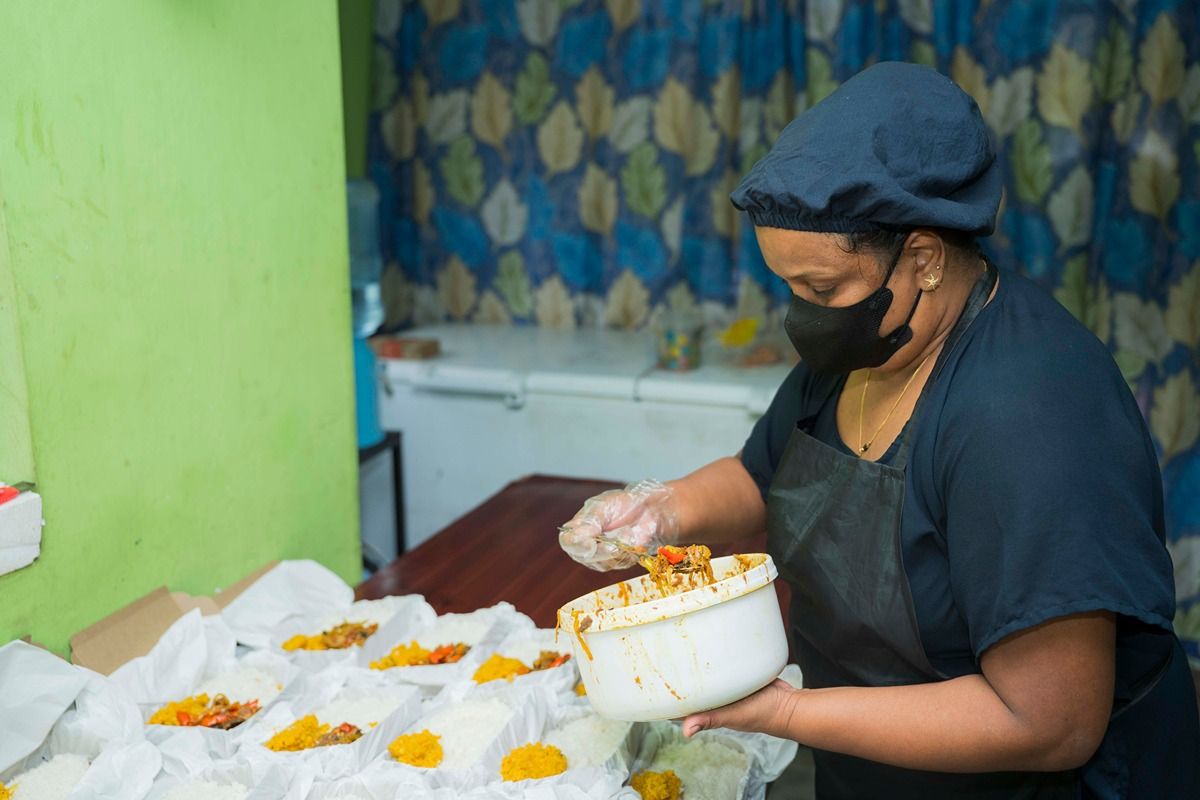
Venasa Caterers stands as one such example, where vision and perseverance meet opportunity. A humble kitchen that blossomed into a vibrant model of inclusive, sustainable enterprise. Venasa Caterers, founded by Sugath Udagedara in 2018 and formally registered in 2019, is more than a catering service. It embodies resilience, compassionate leadership, and community driven growth deeply rooted in Sri Lankan culture. Today, Venasa Caterers serves nearly every major government institution in the Matale district, from the Divisional Secretariat, Police, and Zonal Education Offices to diplomatic events, handling up to 90% of local government food orders. This remarkable growth, achieved through word-of-mouth alone, reflects not only the quality of the service but also Sugath’s commitment to creating opportunities for local people. He mastered every aspect of the business on the job, from using cutlery and serving diplomats to plating and managing large-scale events, demonstrating a steep learning curve guided by humility, adaptability, and a vision for inclusive, community-centred enterprise.

Catalyst for Change: Venasa Caterers’ Journey of Inclusion and Sustainability with FICE

Sugath first learned of the Chrysalis FICE programme through the Divisional Secretariat. With its support, Venasa Caterers received essential catering equipment buffet sets, steamers, and other tools—that immediately elevated both operations and professional presentation.

“These tools elevated our service and we can now cater with efficiency, maintain hygiene, and meet demand with confidence.”

Beyond equipment, the FICE project also opened new perspectives through training. The insights he gained proved transformative. He began to see his enterprise not only as a livelihood but also as a platform for youth empowerment, inclusion, and social coexistence. By integrating better business planning and sustainable practices, Venasa Caterers evolved into more than a service provider. It became a vehicle for inclusive growth, shaping opportunities for others while strengthening community bonds.

An Inclusive Employment Model

At the heart of Venasa Caterers’ success is its deeply inclusive employment model one that directly reflects the values reinforced through the FICE project. Sugath recruits across ethnic, age, and gender lines, ensuring that his workforce mirrors Sri Lanka’s rich diversity. Older workers, often displaced or unemployed, are engaged in packaging and preparation; young people, many from marginalized estate-sector communities, are hired for service roles. To support them, Sugath provides accommodation, uniforms, and meals, creating a “family-like environment” where Sinhala and Tamil, men and women, youth and elderly, work side by side.

“Our business needs both young and older employees, and I believe everyone here truly deserves their place. I can see that the young boys especially are enjoying their work.”

Through FICE mentoring, Sugath began to view his enterprise not only as a business but also as a social ecosystem. He introduced measures that strengthen inclusion and wellbeing: a uniform system that instils pride, and a zero-tolerance policy on alcohol or drug abuse that promotes safety and professionalism. Once plagued by high turnover, Venasa Caterers now retains a loyal core team, with some members serving for over four years a rare achievement in the catering sector.

While lack of capital has slowed construction of a purpose-built catering facility and the recruitment of additional staff, FICE insights have helped Sugath develop strategies to expand inclusivity. He is actively creating opportunities for part-time female staff in client-interaction roles, recognizing both the confidence it instils in young women and the positive image it projects for the business.

“It boosts our image, and gives young women the confidence to shine in front of large crowds,”

On the management side, training through FICE project encouraged him to adopt structured practices, such as outsourcing administrative tasks like EPF/ETF contributions, tax filing, and auditing to professionals, freeing his time for operations and growth. He has also begun applying small but impactful learnings from FICE mentoring sessions, including improved quality monitoring systems, more transparent financial practices, and strategic approaches to scaling. These incremental but deliberate changes reflect the transformative influence of the project, equipping entrepreneurs not only with tools but with the mindset to embed inclusivity, sustainability, and resilience into every layer of their businesses.

A Small Business Championing Progressive and Inclusive Measures

Sugath envisions a purpose-built, eco-conscious catering facility that generates employment, responds to community needs, and sets a standard for sustainable business practices. He already has the land, the plan, and the vision. What remains is the capital to bring it to life.

With continued support from programmes like the Chrysalis FICE initiative, as well as new strategic partnerships, Venasa Caterers has the potential to serve as a national model of how small enterprises can scale while staying rooted in equity, culture, and care. The next phase of growth will allow Sugath to embed practices that strengthen green innovations, expand inclusive hiring, and deepen workplace systems that ensure dignity, fairness, and opportunity.

By maintaining diversity, equality, and inclusion as guiding principles, Venasa Caterers exemplifies how responsible business can drive both social impact and sustainable economic p

Read More

Other Case Studies

case study thumbnail

Nila - Mentoring Women Leaders Through Mobile-First Digital Skills

Background 

Under the BRIDGE Project, Nila supported district-level delivery of ICT and social media literacy sessions across Jaffna, Vavuniya, and Mannar. As a youth trainer trained through the ICT literacy TOT, she brought a practical, mobile-first approach that helped women leaders strengthen everyday digital work - from producing formal documents to communicating safely in public spaces.

The challenge
Women leaders were active in community work but faced high digital risks and uneven access to support. Common gaps included weak account security, uncertainty in handling sensitive information, and reliance on others for typing, formatting, or posting, which reduced privacy, slowed response, and increased errors.

Nila’s dedication to women’s leadership

Nila intentionally centred women’s leadership in both tone and method. She created a supportive learning environment, treated questions with respect, and reinforced that confident leadership includes learning and adapting. She encouraged women to communicate with clarity and dignity, while protecting identity, consent, and safety.

Mentoring approach that made learning stick

1) Pre-session mentoring - readiness and confidence

Before sessions, Nila checked in with women leaders to reduce anxiety and ensure they were prepared to practice: device storage, updates, essential apps, and simple readiness tips. This pre-support helped participants arrive confident and on time.

2) In-session mentoring - hands-on, one-to-one coaching

During delivery, she moved continuously between participants, providing quiet one-to-one guidance, especially for those who hesitated to speak in front of others. She used micro-practice cycles (5-10 minutes) and peer-pairing until each participant could complete key tasks independently.

3) Post-session mentoring - applying skills to real work

After sessions, Nila remained reachable for follow-up and reinforced practice with the purpose: drafting letters and meeting notes, converting to PDF, correcting file naming, sharing documents safely, and verifying content before posting. This mentoring bridged the gap between classroom learning and day-to-day leadership responsibilities.

“Now my phone is my strongest tool for safe communication and advocacy.”

Results observed across three districts

·        Increased independence: women leaders produced and shared formal documents via mobile without relying on external typing support.

·        Safer online practice: improved password habits, stronger account protection, and better awareness of privacy and consent.

·        Higher confidence: women participated more actively, asked questions openly, and demonstrated readiness to lead district follow-up actions.

·        Improved credibility: participants practised evidence handling and verification routines before sharing public content.


Nila’s story highlights a key implementation insight: facilitation builds exposure, but mentoring builds capability. Her consistent support helped translate ICT training into safer, credible, and sustained leadership practice in Jaffna, Vavuniya, and Mannar.

View Case Study
case study thumbnail

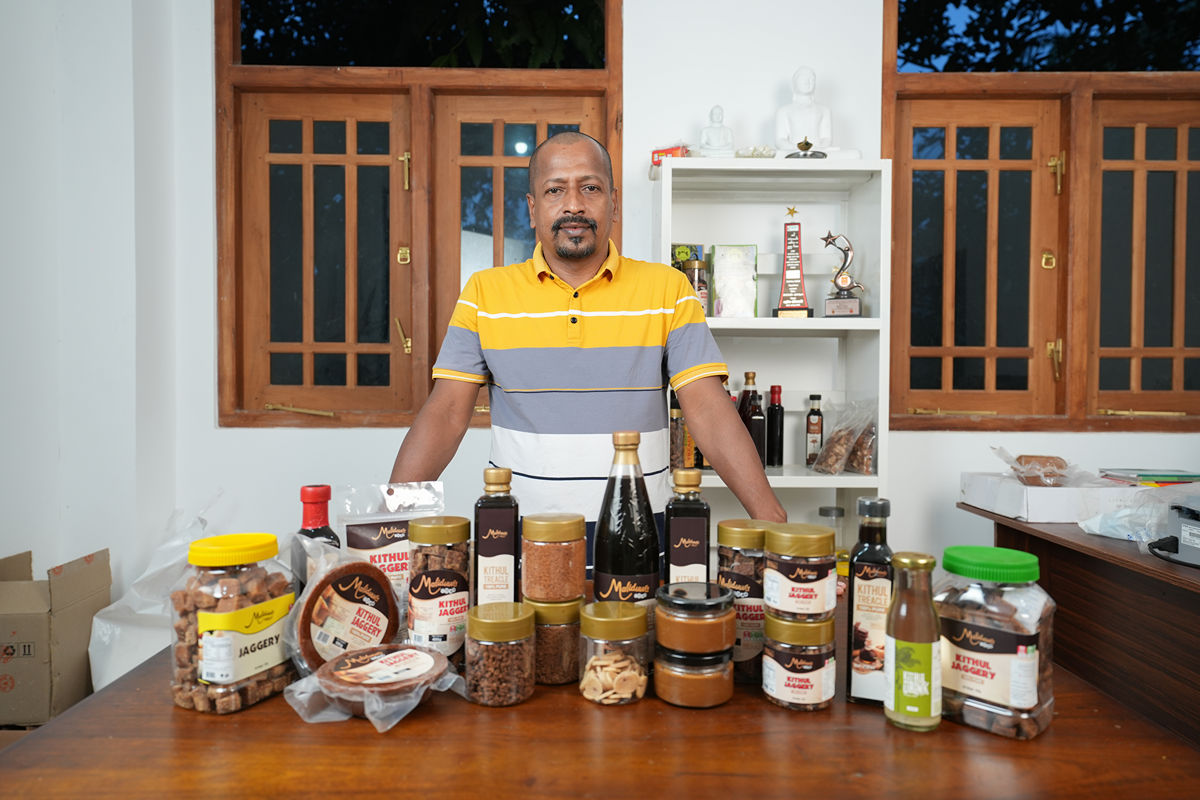
Maliduwa Kithul : A Model of Inclusive and Sustainable Rural Enterprise

In the lush village of Maliduwa, bordering Sri Lanka’s Southern Province, a quiet transformation is unfolding one that blends deep-rooted tradition with modern principles of sustainability, inclusion, and resilience. At its heart lies Maliduwa Kithul, a rural enterprise founded by Mr. Wijaya, which has grown from a humble family operation into a nationally recognized producer of kithul treacle and jaggery.                                                                

What sets Maliduwa Kithul apart is not only its commitment to preserving an ancient craft, but its bold, values-driven approach to building a diverse, inclusive, and environmentally sustainable business. With timely support from Chrysalis and GIZ under the FICE (Fostering Inclusive Communities and Economies) project, the enterprise has strengthened its infrastructure, capacity, and community impact emerging as a compelling model for rural development through green entrepreneurship.

A Heritage Industry Reinvented

Kithul tapping is one of Sri Lanka’s oldest food traditions, yet few modern enterprises have succeeded in preserving its authenticity while making it economically viable. Mr. Wijaya, who grew up in a household of kithul tappers, returned to the craft after leaving behind unsatisfying formal jobs. Guided by his mother and driven by curiosity, he began experimenting with treacle production, soon realising the complex science behind each tree, flower, and boil.

From these early learnings, a business was born. Today, with over 240 smallholder suppliers, Maliduwa Kithul has established a diverse, trust-based supply chain rooted in rural knowledge and ecological responsibility. Many of these suppliers, both men and women, depend on kithul as a core source of income, making the enterprise a vital anchor for community livelihoods.

One of the most distinctive features of Maliduwa Kithul is its diverse and inclusive customer base, both nationally and internationally. By connecting rural producers with modern, ethical commerce, Maliduwa Kithul demonstrates how tradition can thrive within inclusive and sustainable market practices. Furthermore, the strength of its value chain has created significant income opportunities for smallholders.

Strategic Support from Chrysalis/GIZ: A Turning Point

He had no prior idea about forming a joint business, but through the FICE-supported joint venture mechanism, he found inspiration. In collaboration with Kokulam Products from Mannar, in Sri Lanka’s Northern Province. The joint venture has already yielded several unique product innovations, bringing together the strengths of both kithul and palmyrah. By blending tradition with modern enterprise, the collaboration between Mr. Wijaya and Mr. Gokulapalan not only diversifies market offerings for sweet lovers in Sri Lanka and beyond but also sets the foundation for a new chapter in harmony and peaceful coexistence.

Sustainability is also embedded in its operations. With support from Chrysalis FICE and GIZ, the enterprise adopted new technology that ensure food safety, improve hygiene, and increase processing efficiency as well as administration.

“Along with my staff, I openly worked together with FICE experts to determine the proper bookkeeping practice and correct previous errors and adopt the practice immediately after the training”

Preserving Tradition through Fair Commercialization and Community Respect

While often underrepresented in traditional industries, women from the majority of Maliduwa Kithul’s sap processors. Assisting men’s since at dawn to collect sap and boiling treacle throughout the day, these women safeguard a craft that is both physically demanding and technically precise. Yet, despite their central role, many remain invisible in formal statistics. Previously, Wijaya never considered the position of women in supplying an uninterrupted flow. According to FICE project inputs, he has shaped his vision to ensure active participation and benefits to the women throughout the supply chain.

Youth engagement has also emerged as a strategic priority. In villages grappling with high levels of youth unemployment, the enterprise has launched outreach efforts to showcase the economic potential of kithul tapping.

“This gives me hope that the industry will not just survive but thrive into a viable and sustainable industry for the future.”

Through the FICE project’s business awareness and capacity-building support, Mr. Wijaya has been able to expand his enterprise with a focus of ensuring that both tradition and innovation move forward hand in hand.

Praise and Value to the lives and Environment

As Sri Lanka’s economic crisis deepened in recent years, rising gas prices forced many small producers to scale down or close operations. Maliduwa Kithul, however, chose a path of innovation. The enterprise constructed a firewood boiler system fuelled by discarded tea stems and other non-commercial wood (never freshly cut trees) to power treacle boiling. This system also doubles as a heat source for spice dehydration, reducing energy waste and promoting circular production.

Maliduwa Kithul’s inclusive business model not only guarantees fair compensation for suppliers but also prioritises their safety. Recognising the risks of the industry, the enterprise routinely replaces climbing ropes, traditionally made of biodegradable coir, since many smallholders cannot afford replacements, and worn ropes have caused fatal accidents in the past.

“This is a life-risking operation, and I have witnessed many such cases in my lifetime. For this reason, I am going to introduce safety measures, as well as a life insurance scheme starting with the high-volume vendors who provide over 30 kg per month.”

Looking Ahead: A Scalable, Sustainable Vision

Maliduwa Kithul is more than a rural business it is a living case study of how indigenous knowledge, inclusive supply chains, and environmentally responsible practices can converge to create impactful, future-oriented enterprises. With strategic partnerships, ethical leadership, and a commitment to community, the enterprise continues to thrive, proving that sustainability, when built on inclusion and innovation, can be both practical and transformative.

View Case Study
case study thumbnail

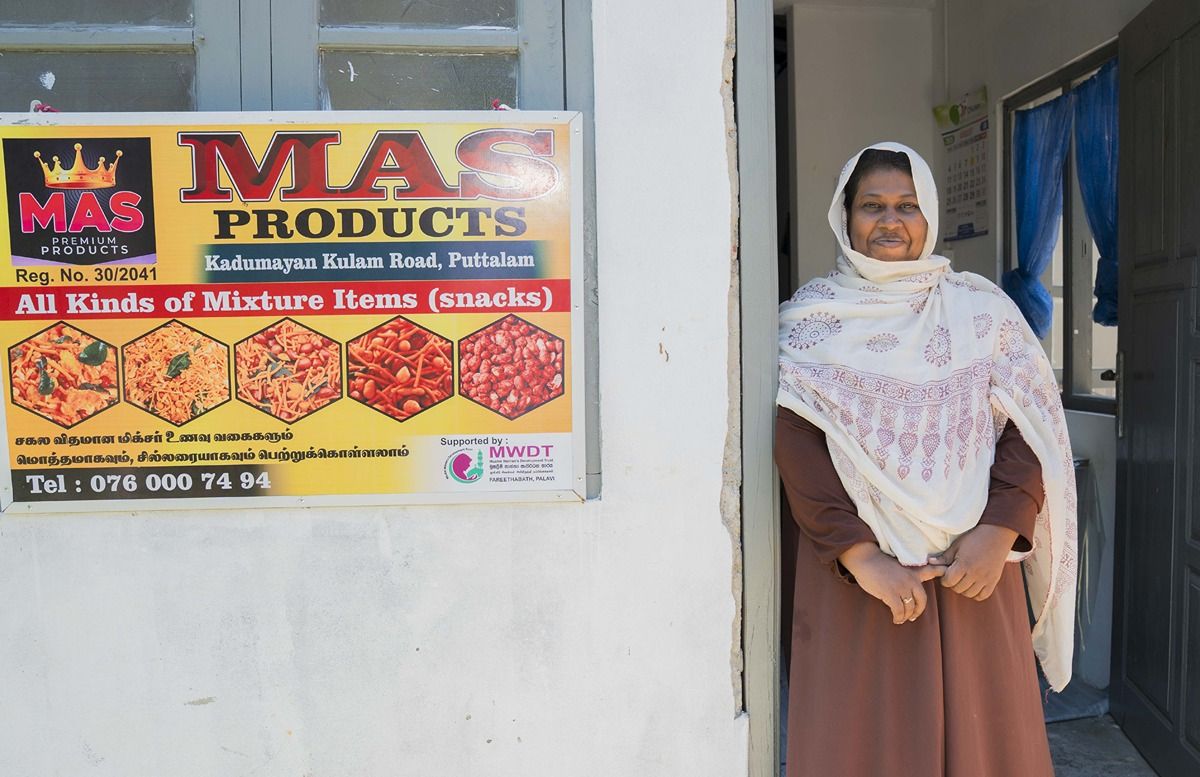
Nooha’s Mixture of Hope: A Woman’s Journey to Build a Business that Nourishes Her Community

In the heart of Puttalam, a district known for its rich diversity of cultures and traditions, women have always worked quietly behind the scenes, tending paddy fields, helping with family fishing, or managing household tasks that often go unrecognized. Their labour has been vital yet rarely counted as entrepreneurship. Today, only 25–30 percent of businesses in Sri Lanka are led by women, and in communities like Puttalam, cultural expectations and limited opportunities make the number even smaller. It is within this landscape that Nooha’s story begins.

At first glance, MAS Premium Products may appear to be just a small snack business. Yet behind its signature chickpea-based cocktail mixture lies something far greater a story of transformation, women’s economic empowerment, and inclusive market participation. Nooha’s venture reflects how strengthening women-led enterprises can contribute to resilient livelihoods, promote gender equality, and create pathways for sustainable community growth.

Restarting After Adversity: A Resilient Entrepreneur’s Journey

Originally operated as a partnership, MAS Premium Products ran for seven years before being forced to pause operations during the COVID-19 pandemic. However, in November 2022, with newfound knowledge and confidence, Nooha resumed operations from a new rented location, this time as the sole proprietor of a revitalized and reimagined business.

Her re-entry into entrepreneurship marked a transformation. This shift was catalysed by her selection into the Chrysalis FICE programme, funded by GIZ and the EU, which she discovered through the local Women Entrepreneurs’ Network and her Divisional Secretariat. While many applied for the opportunity, Nooha was the only woman entrepreneur selected from her area, an achievement that inspired her to aim higher and redefine her enterprise.

From Informal to Professional: Transforming Through Capacity building

Before joining the FICE project, Nooha’s business operated informally. Profits and expenses were tracked mentally or noted in scattered pages, packaging was done by hand, and work schedules shifted depending on daily demands. The training she received from the project, reshaped this approach, giving her the confidence and skills to move from survival-mode operations to a structured, growth-oriented enterprise.

 She introduced methodical bookkeeping, combining digital tools with traditional recordkeeping. For the first time, she began accurately assessing profits, factoring in raw material and labour costs, and making financial decisions with clarity. The grant support enabled her to purchase a packing sealer and mixing machine, shifting from slow manual work to efficient semi-automated processes.

“I was running this business in a very small space and on a small scale. The support I gained from the FICE project has been a giant step forward for my business.”

This shift strengthened her resilience as an entrepreneur and opened pathways to more stable growth. It also signalled a broader transformation: Nooha was no longer running just a small snack venture, but leading a professional, women-led enterprise that could compete in mainstream markets, create opportunities for others, and inspire women in her community to reimagine what was possible.

 Inclusive Employment and Community Empowerment

MAS Premium Products is now a source of livelihood and dignity for six individuals, four women and two men, from Nooha’s village. Many of them come from vulnerable backgrounds, including widows, single mothers, and those navigating domestic or financial hardship. Every employee is trained in-house and cross-skilled to manage multiple tasks, creating a workplace where everyone contributes to the smooth flow of operations.

Nooha has also reimagined how staff are rewarded. Shifting to weekly salary payments, an idea inspired by the FICE project trainings she undertook, has had an immediate impact. Employees feel more motivated, as the system allows them to better balance their household needs while enjoying their earnings with dignity and independence. What may seem like a small adjustment has, in reality, strengthened trust, improved morale, and reinforced the sense of belonging within her growing business.

“It’s not only me—several lives now depend on my business. There is no turning back, we move forward together with a fresh mindset and an optimistic view of our future.”

A Gendered Business Model Rooted in Community

As a woman entrepreneur, Nooha understands the systemic and cultural challenges faced by other women in Puttalam. She is an active member of the local women entrepreneurs’ network and participates in bimonthly exhibitions held at the Municipal Council Hall, where businesses showcase their products to a multi-ethnic consumer-base.

Her journey has positioned her as a role model in the community, demonstrating what is possible when women claim space in entrepreneurship. She not only grows her own business but also uplifts those around her. One employee, encouraged by Nooha’s guidance, has launched a side venture producing homemade chilli powder. She is now a regular supplier for MAS Premium Products’ signature snack mixture. Such ripple effects show how Nooha’s approach nurtures both individual empowerment and collective economic growth.

Valuing and Praising Responsible Business Practices

Over time, and with the assistance of the FICE project, MAS Premium Products became standardized. Nooha now pays close attention to every detail in the operation. She has clearly identified her niche market and the unique features that help her reach it effectively.

Nooha has also chosen not to diversify into multiple products but to focus on scaling up her current offering. Her goal is to increase monthly profits from the current LKR 30,000–40,000 to LKR 100,000 by growing distribution and strengthening her presence through exhibitions and social media, particularly her Facebook page (MAS) and WhatsApp promotions.

“We are all women in the production process, and we put our utmost effort into delivering the best products, just as a mother prepares snacks for her children”

 Leadership, Impact, and the Road Ahead

Her journey, from restarting a paused business to becoming the sole proprietor of a growing SME, reflects resilience, strategic learning, and inclusive leadership. Supported by her husband, who assists with deliveries, and by her family in every way, she balances an operation during the day while managing her enterprise with dedication, precision, and determination.

Her transformation through the Chrysalis FICE project is evident, having strengthened her financial literacy, employee management, gender-sensitive practices, food safety, and environmental stewardship. Beyond profitability, her business demonstrates how small enterprises can serve as engines of social and economic inclusion, creating opportunities for marginalized individuals, fostering community collaboration, and inspiring others, especially women, to envision and pursue entrepreneurship.

“I used to think small, Now I understand how to think like a businesswoman.”

 

View Case Study
case study thumbnail

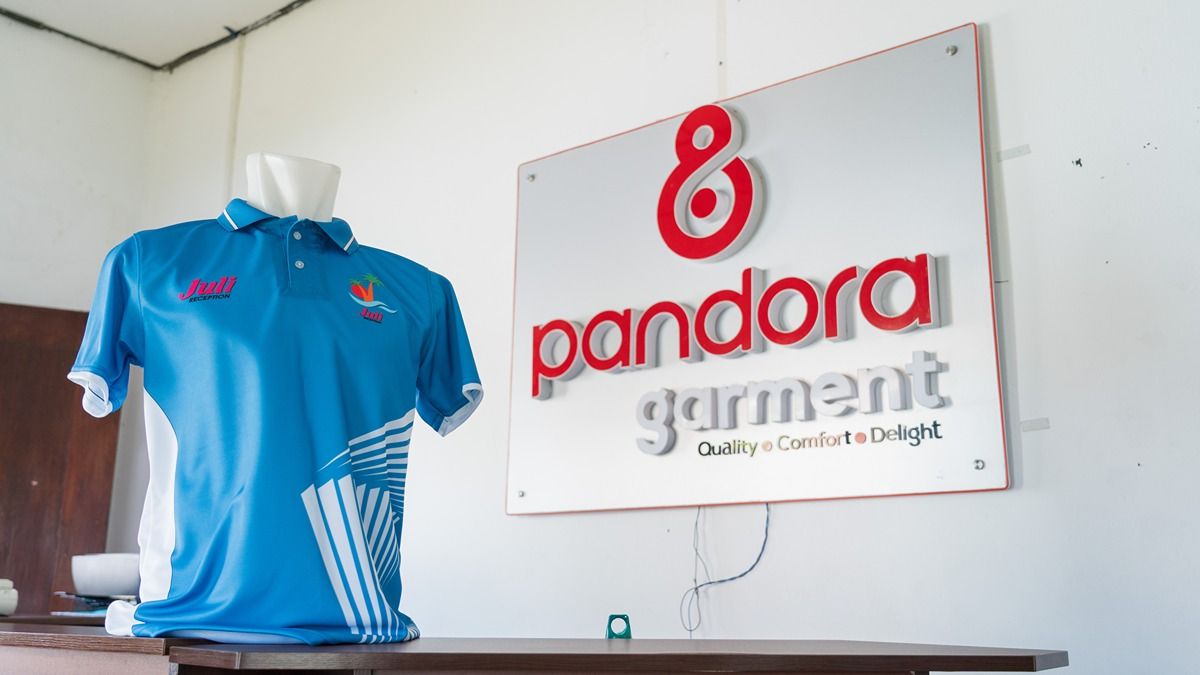
Pandora Garments : Stitching Strategy, Resilience, and Inclusive Growth in Mannar

In the coastal district of Mannar, opportunities for stable livelihoods are scarce. Far removed from the country’s commercial capital, Mannar consistently ranks among Sri Lanka’s lower-development districts, shaped by decades of poverty, conflict, and displacement. It represents just 1% of the national population, with the majority living in rural areas where unemployment and informal employment remain high.

Mannar’s history adds another layer of complexity. Once a frontline of the civil conflict, the district is home mainly to Tamil and Muslim communities, with lingering fault lines that occasionally ripple beyond its borders. Several incidents in Mannar over the past decade have sparked tensions in the south, underscoring the district’s fragility as a potential trigger point for conflict.

Mannar is a place known more for fishing and agriculture than fashion, yet a small team of entrepreneurs is quietly sewing together a new narrative: one of resilience, inclusion, and innovation. Pandora Garments, a business founded by Somasundaram Prathapan and seven colleagues, has grown from humble beginnings into a promising venture specialising in sportswear manufacturing.

“We started with almost no knowledge, we had to learn everything about machines and overall business, along the way.”

A breakthrough came when Pandora Garments was introduced to the Chrysalis FICE programme through government officials of Mannar district. Following a structured selection process, the company qualified for technical training and grant support under the Chrysalis FICE programme, funded by GIZ and the EU. This support proved pivotal offering both the resources and the guidance to transform Pandora from a struggling start-up into a business with clear direction, strengthened capacity, and renewed confidence in its future.

Learning the Value of Diversity and Inclusion

vital learning that emerged through the FICE programme was the importance of embedding diversity, equity, and inclusion into the very fabric of the business. For Pandora Garments, located in a district where Tamils and Muslims form the majority, this is not simply a corporate choice but a social necessity.

The company’s workforce mirrors Mannar’s ethnic makeup, with young men and women from both Tamil and Muslim communities working side by side. Although all eight directors are men, the leadership has firmly recognised that long-term sustainability depends on embracing differences, ensuring women’s access to stable employment, valuing the perspectives of youth, and fostering cross-community trust.

Inclusiveness and gender equality were not a management issue in Pandora Garments before. It simply hired and trained people to perform specific tasks. However, with the broader vision imparted by the FICE project, their attitude has changed. They now realize their broader role in helping to address development issues in the district.

“This inclusivity is not only essential for our business, but for the social progress of Mannar”

This marks an important first step in converting unskilled labour into skilled employment, an especially significant contribution in Mannar, where precarious and informal work remains high. By employing and upskilling young women, Pandora is activating their economic participation and contributing to wider empowerment, creating ripple effects across families and communities.

As the business matures, progressive measures introduced through the knowledge gained from the FICE programme have further strengthened staff retention and welfare. New hires are confirmed as permanent after six months, bonuses are paid when possible, and during difficult times directors even stepped in to cover salaries. These practices have offered employees a rare sense of stability and security in an otherwise uncertain labour market.

Investing in People and Machines for Sustainable Growth

One of the most significant recent milestones for Pandora Garments was the acquisition of a LKR 1.9 million heat transfer machine, a major investment partially funded through a matching grant from the FICE programme. The team had diligently saved half the cost themselves, and Chrysalis’s support enabled them to bring this much-needed equipment on board sooner than anticipated.

The machine has already become a symbol of the company’s future. Once in use, it will allow Pandora to significantly boost production capacity, reduce reliance on outsourcing, and expand its product range to include digitally printed garments and branded accessories such as caps. From a current output of 10–15 items per day, the company aims to scale up to 50 items daily and hire at least five additional employees.

There were a few challenges that had to be addressed in making the transition from small-scale to medium-level business. The support of the FICE project in developing administrative capacity has undoubtedly assisted Pandora Garments in overcoming the challenges and charting a clear future course of action with a well-defined long-term plan.

“We see ourselves growing to a team of 50 over the next few years but we want that growth to be meaningful for our people, for our community. and for the environment.”

A Remarkable Initiative to Uplift Lives and Promote Peaceful Coexistence

Pandora Garments stands at a pivotal point in its journey, not only as a growing enterprise but as a catalyst for inclusive and peaceful development in Mannar. With guidance and support from the FICE programme, the company has strengthened social cohesion, improved living standards, and fostered resilience among youth. By providing stable, skilled employment for women and young people from diverse ethnic backgrounds, Pandora directly addresses negative employment indicators in the district while empowering communities economically.

Through inclusive hiring and workforce development, the company nurtures a generation of young employees capable of facing challenges in tense situations and bridging divides across different ethnicities and cultures. Pandora’s initiatives show that business success can go hand in hand with community transformation: improving livelihoods, encouraging collaboration between different ethnic groups, and promoting understanding and trust.

“We’re not just making clothes, we’re building futures for our staff, for our district, and for ourselves.”

In doing so, Pandora Garments exemplifies how an enterprise, supported through training, mentoring, and grant assistance, can contribute meaningfully to a cohesive business ecosystem, inclusive growth, and peaceful coexistence, achieving impact far beyond traditional economic metrics.

View Case Study
case study thumbnail

YNF Baby : Scaling an Inclusive, Sustainable, and Structured Business and Transforming Lives

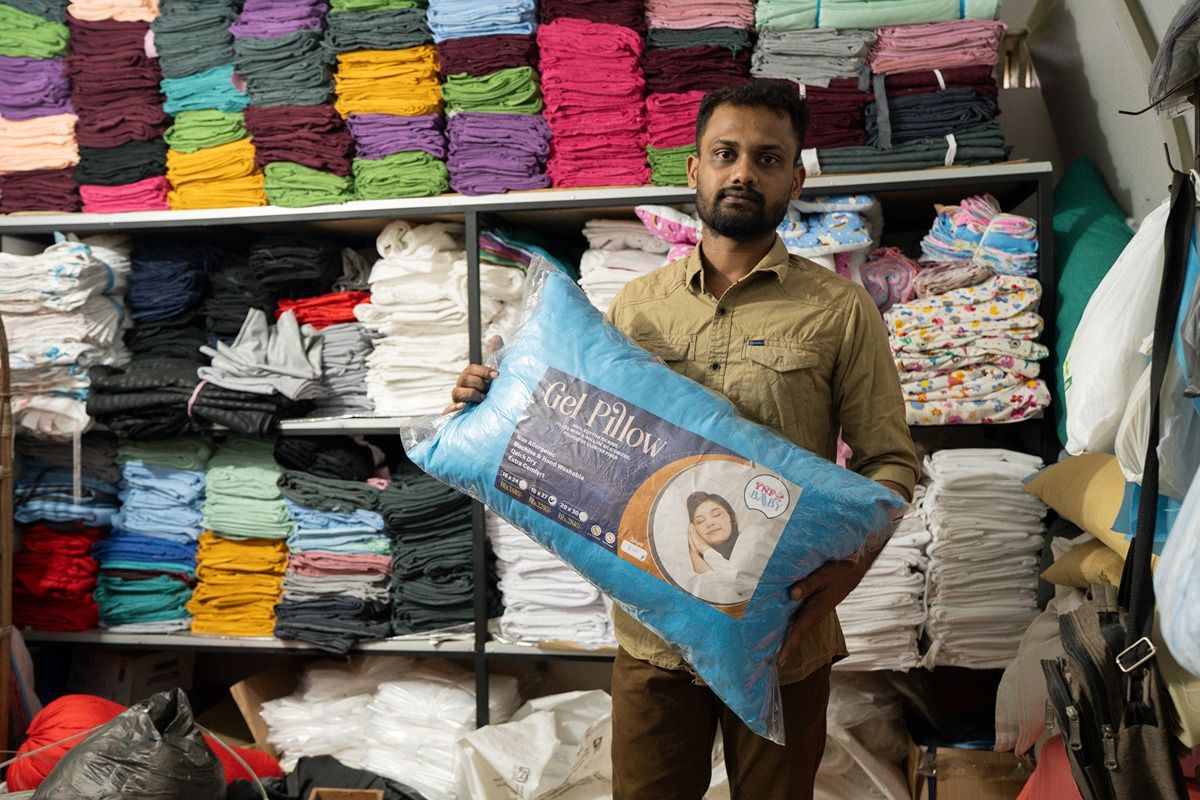
Sri Lanka’s Eastern Province, long celebrated for its cultural diversity and resilience, is home to Kattankudy, one of the most densely populated towns in the region. With tightly packed houses, narrow winding lanes, and bustling bazaars, Kattankudy thrives on small, family-run businesses and informal trade networks that keep the town alive well into the evening. In this dynamic environment, YNF Baby, a micro-enterprise specializing in pillows and baby bedding, is quietly transforming household comfort while promoting inclusive business practices, resilience, and innovation. Spearheaded by Ali Althaf Ahamad a young entrepreneur determined to create dignified work and affordable, high-quality products.

Today, YNF Baby produces over 20 varieties of products, ranging from baby mattresses to custom-designed items for people of all ages, with an unwavering commitment to quality that has earned the trust of a growing customer base. Word of mouth has helped build a network of 25 wholesale buyers across diverse communities, including Sinhala, Tamil, and Muslim clients, reflecting the brand’s broad appeal. Althaf regularly sets up stalls at local religious and cultural festivals, not only within Muslim communities but also near temples and churches during festival period, using these informal marketplaces to gain crucial visibility and connect directly with retail customers who may not access online platforms.

Enter Chrysalis FICE: Training and Technological Inputs that Uplift the Overall Business

Althaf joined the FICE (Fostering Inclusive Communities Economies) Project, implemented by Chrysalis in partnership with GIZ and the European Union. Through this initiative, he received comprehensive training in accounting, marketing, and long- term business planning skills that transformed his approach to entrepreneurship.

But it wasn’t just knowledge that made the difference. With Chrysalis’ financial grant, YNF Baby acquired a vacuum packaging machine a game changer! Where previously one pillow filled a unit of space, now three (03) can be vacuum-packed into the same volume. This improvement tripled storage capacity and cut transport costs by more than two-thirds, allowing him to reach more buyers without increasing overheads.

“Earlier, we couldn’t compete with imported products that came vacuum-packed, Now we can match their quality.”

The machine also contributes to sustainability goals. YNF Baby switched from PP polythene (which required 3 kg to pack 100 pillows) to LDPE polythene, which only needs 1 kg for the same quantity. This change cuts plastic usage by over 60%, aligns with circular economy principles, and reduces waste handed over to municipal services.

A Business Shaped by Inclusivity and Adaptability

What distinguishes YNF Baby is its quiet commitment to inclusive employment and a flexible work culture. Most employees are from the local Muslim-majority community, YNF Baby welcomes all who are willing to learn and contribute. The working environment reflects the needs of its people. Some staff choose weekly wages, while others prefer monthly payments. Start times are adjusted for those with household responsibilities.

“They have families, other commitments. I let them choose what works best,”

This flexible system not only improves retention and satisfaction but also allows women and caregivers to take on paid work in ways that fit their home responsibilities, which is an important yet often overlooked support for women’s economic participation in traditional or caregiving- heavy settings.

From Local Producer to Market Innovator

The vacuum machine gave YNF Baby something few local producers have: a technological edge. In the entire Kattankudy area, only this business owns such a machine, creating a clear competitive advantage. Most Sri Lankan manufacturers still don’t use vacuum packaging, putting YNF ahead of the curve in both efficiency and professionalism.

But for Althaf, this is only the foundation for what’s next. He’s developing a new product: a nursing pillow tailored for pregnant and postnatal mothers. This addition not only meets an unmet market need but strengthens the business’s alignment with care-centred, women- focused design.

Meanwhile, Chrysalis FICE helped build a detailed five-year business plan, identifying market gaps and setting the foundation for expansion, certification (including ISO-level standards), and possible new hires. As production scales up, YNF plans to recruit three to four more full time staff. These new positions will create meaningful employment in Kattankudy, providing opportunities for youth and women who have historically had limited access to formal work. By combining innovation, structured planning, and inclusive hiring, YNF Baby has strengthened its operational resilience, broadened its market reach, and established a model of sustainable, community-embedded growth.

“Earlier, I underestimated the contribution of women in the business. Through the FICE project, I realized how their contribution is important especially in the production of baby items that embody softness, care, and quality.”

A Personal Transformation, A Broader Impact on the Nearby Community and Business Landscape

With the support of the FICE project, Althaf’s journey has been as much about personal transformation as business growth. Once focused solely on marketing, he has evolved into a confident entrepreneur who now manages everything from administration and marketing to staff training and development. Today, YNF Baby reflects the values fostered through FICE—inclusion, gender equity, environmental sustainability, and meaningful transformation. It is a business built on flexibility and respect, with space for both innovation and care, firmly rooted in local culture yet ambitiously aligned with national and global standards.

“They gave me not just a machine, but the mindset to build something bigger,” he says, reflecting on his experience with Chrysalis.

View Case Study