Integrating IPV Prevention into Existing Health System Structures in Sri Lanka
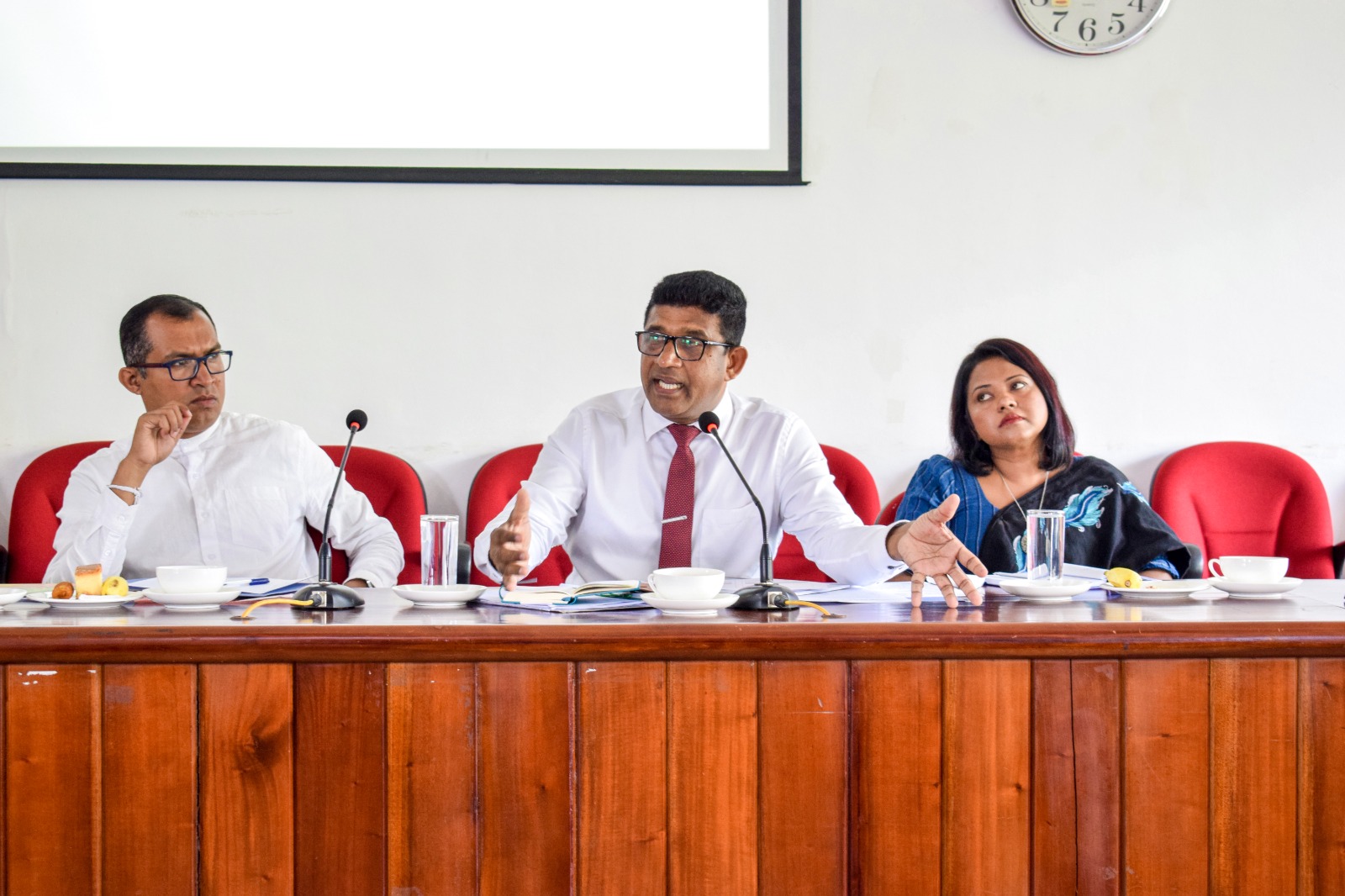
On 14 September 2026, Sri Lanka's Ministry of Health, Chrysalis and the Sexual Violence Research Initiative (SVRI) signed a tripartite Memorandum of Understanding (MoU) for the project Collaborative Evidence Building for Impact at Scale: Integrating IPV Prevention into Existing Health System Structures in Sri Lanka.
The signing marks an important milestone in a partnership that brings together government health-system leadership, Sri Lankan research and implementation experience, and global evidence, learning and capacity strengthening on violence prevention.
The project brings together the Family Health Bureau (FHB) of the Ministry of Health, Chrysalis and the Sexual Violence Research Initiative (SVRI) to understand how intimate partner violence (IPV) prevention can be integrated into Sri Lanka’s existing Pre-Conception Care Programme for newly married couples (PCCP).
Rather than creating a separate service or parallel programme, the project will explore how an evidence-informed IPV prevention intervention can be adapted and embedded within an existing government health programme, delivered through community health infrastructure. The intention is to support respectful and equitable relationships among newly married couples and strengthen the health system’s contribution to the primary prevention of IPV.
The project is grounded in implementation research. It will examine not only whether an intervention is effective, but how it can be adapted, delivered and sustained within the realities of Sri Lanka’s health system. This includes considering the experiences of newly married couples, health-provider capacities and workloads, existing service-delivery structures, community contexts and the resources required for implementation.
The project is being implemented through three interconnected phases. Formative research across diverse MOH areas is generating evidence on the current delivery and uptake of the PCCP, the experiences of health providers and communities, and the opportunities and challenges associated with integrating IPV prevention. Formative research findings will inform the careful adaptation of an evidence-informed IPV prevention intervention for the Sri Lankan context. The IPV-ADAPT+ framework, co-developed by SVRI and the Equality Insights Lab, will guide this process, with the involvement of health-system stakeholders and other relevant actors.
The adapted intervention will then be tested and piloted in selected urban, rural and plantation-sector settings. This phase will examine its feasibility, acceptability, delivery mechanisms and emerging outcomes and generate learning to support further refinement.
The evidence generated through the project will inform decisions on the potential future integration, institutionalisation and scale-up of the approach in Sri Lanka and may offer learning for other countries working to strengthen IPV prevention through existing health systems.
The MoU is more than a formal partnership agreement. It establishes the institutional framework and legitimacy required for the project to work within Sri Lanka’s government health system. It enables the partners to collaborate with relevant Ministry of Health and FHB structures; undertake research, adaptation and testing within the health-system context; bring together research evidence, government expertise and implementation experience; clarify the responsibilities and contributions of each partner; strengthen government engagement and ownership throughout the process; and build a foundation for the sustainability and potential future scale-up of the intervention.
Working through an existing health-system programme is central to the project. It allows the intervention to be designed and tested within the same structures, capacities and operational realities within which it would ultimately need to be sustained.
The partnership brings together three complementary areas of expertise. The Ministry of Health, through the Family Health Bureau, provides health-system leadership, technical guidance and institutional engagement. Chrysalis contributes expertise in gender equality and IPV prevention, research, contextual adaptation, implementation, stakeholder engagement and learning. SVRI contributes global research and evidence expertise, technical support on IPV prevention and implementation research, and opportunities for international learning and knowledge exchange.
Together, the partners aim to co-create an approach that is evidence-informed, contextually relevant, feasible for health providers, acceptable to communities and sustainable within Sri Lanka’s health system.
This partnership is about moving evidence into practice and understanding what it takes to make IPV prevention work within an existing health system, at scale and for the long term. The initiative provides an opportunity for Sri Lanka to show what sustainable IPV prevention at scale can look like in practice.


Other News
Explore more updates and success stories from our ongoing work across Sri Lanka — stories of impact, resilience, and collaboration that shape a more inclusive and equitable future.