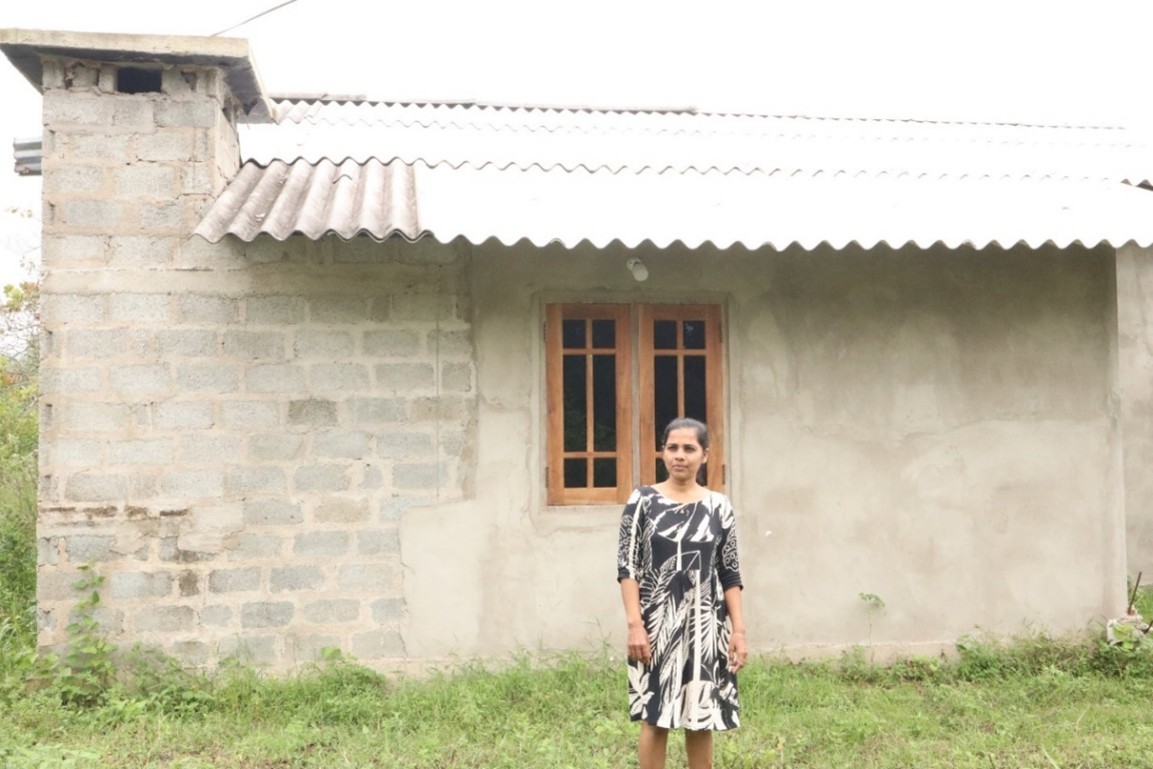
Maliduwa Kithul : A Model of Inclusive and Sustainable Rural Enterprise
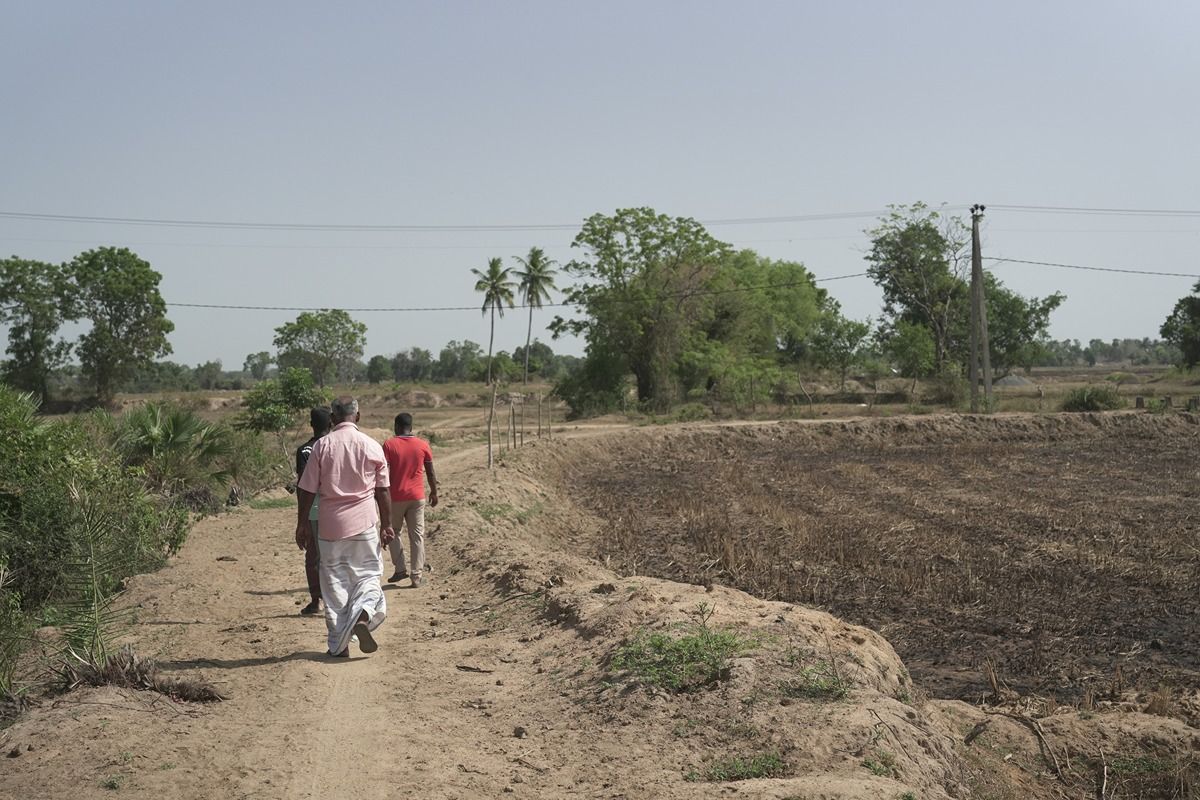
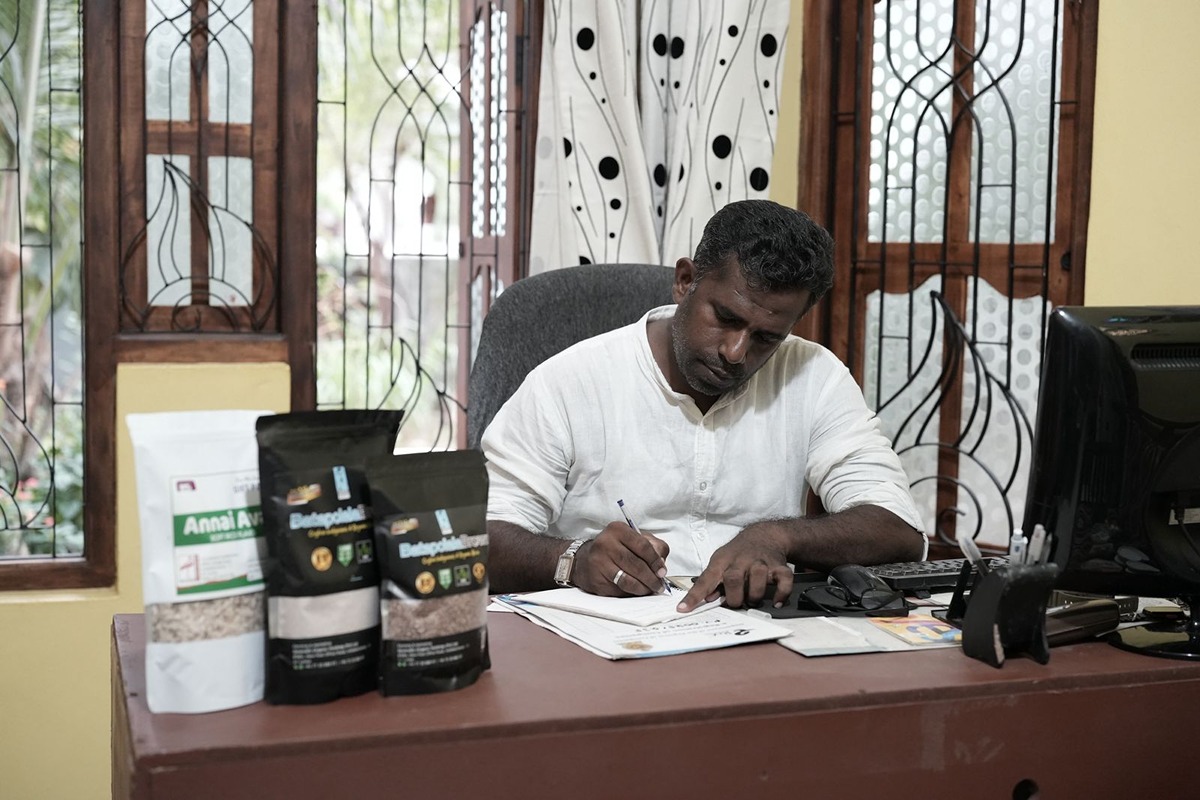
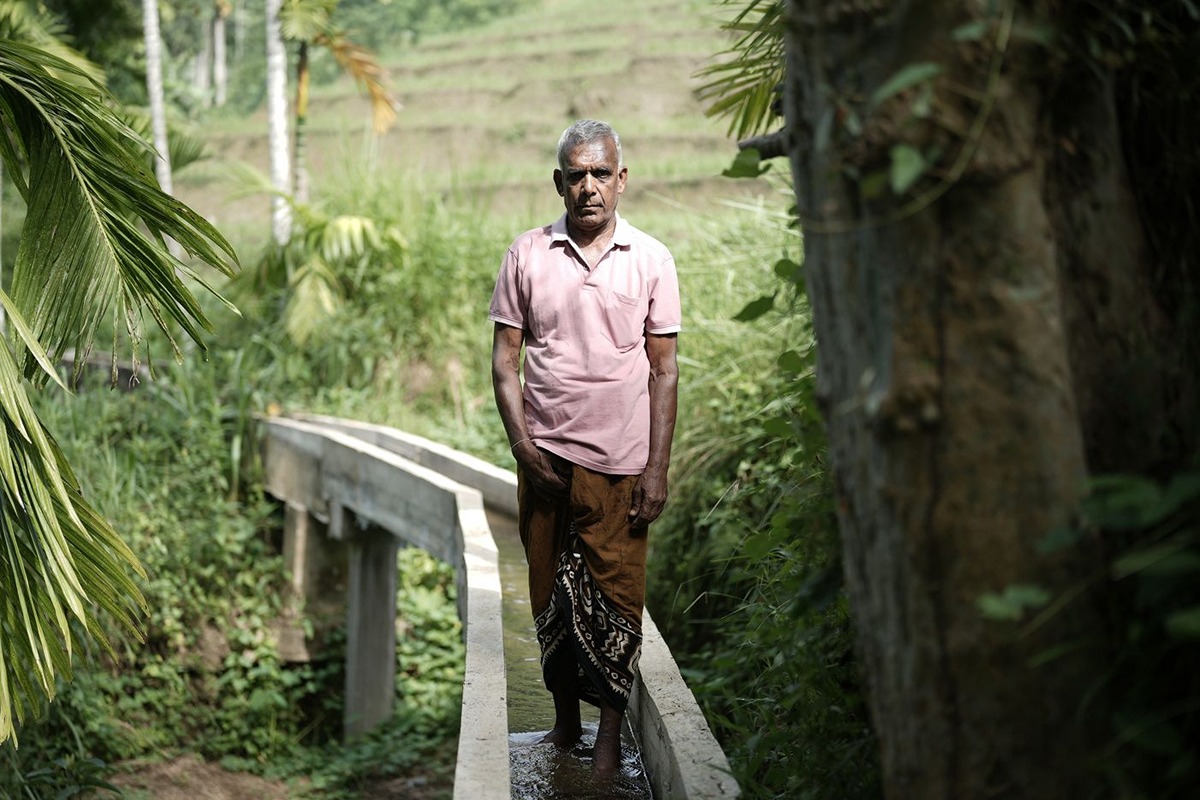
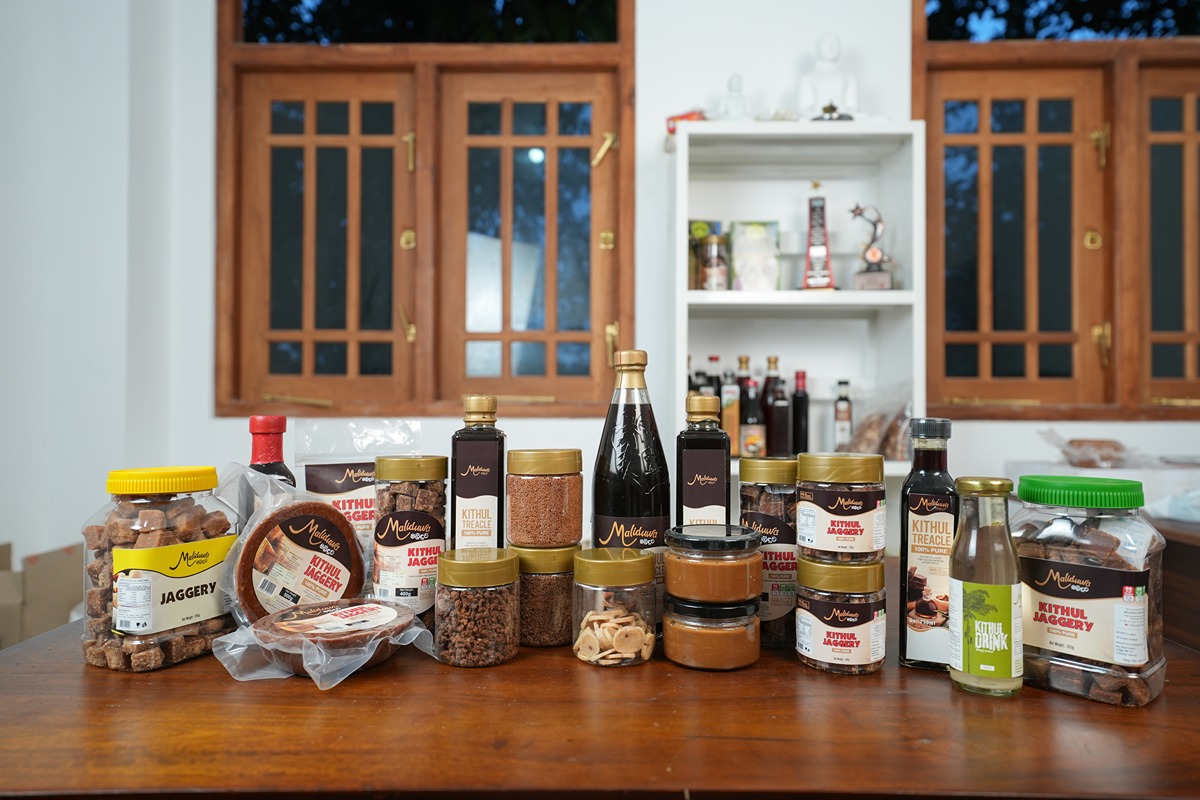
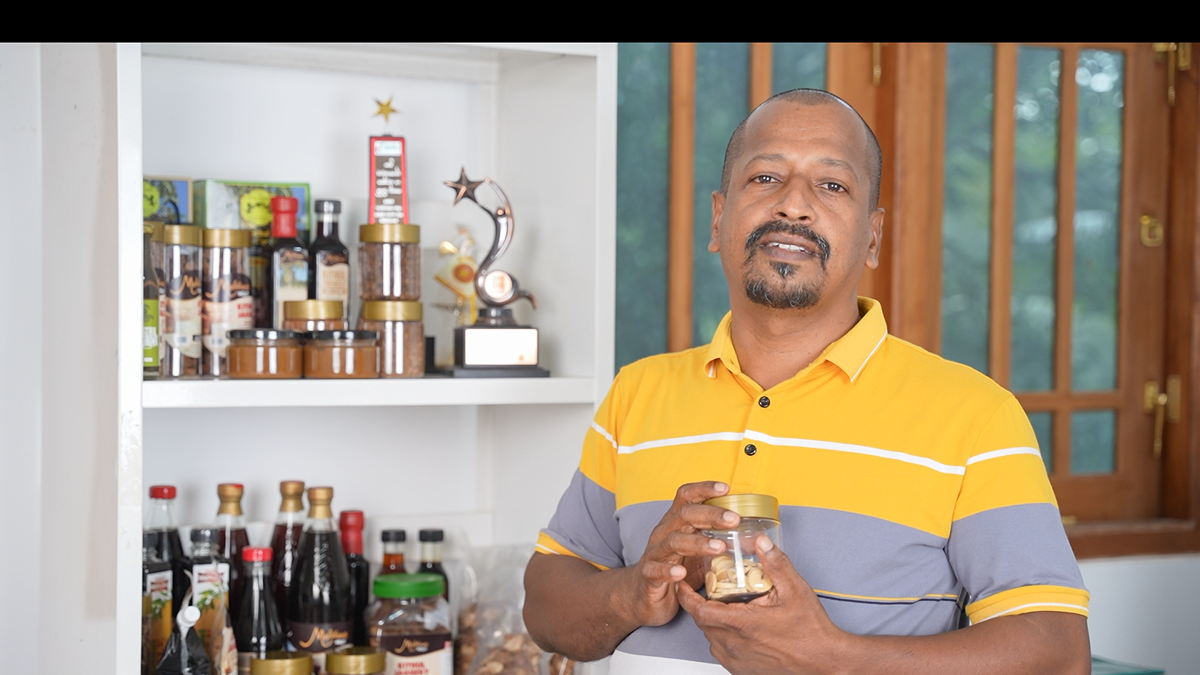
In the lush village of Maliduwa, bordering Sri Lanka’s Southern Province, a quiet transformation is unfolding one that blends deep-rooted tradition with modern principles of sustainability, inclusion, and resilience. At its heart lies Maliduwa Kithul, a rural enterprise founded by Mr. Wijaya, which has grown from a humble family operation into a nationally recognized producer of kithul treacle and jaggery.
What sets Maliduwa Kithul apart is not only its commitment
to preserving an ancient craft, but its bold, values-driven approach to
building a diverse, inclusive, and environmentally sustainable business. With
timely support from Chrysalis and GIZ under the FICE (Fostering Inclusive
Communities and Economies) project, the enterprise has strengthened its
infrastructure, capacity, and community impact emerging as a compelling model
for rural development through green entrepreneurship.
A Heritage Industry Reinvented
Kithul tapping is one of Sri Lanka’s oldest food traditions, yet few modern enterprises have succeeded in preserving its authenticity while making it economically viable. Mr. Wijaya, who grew up in a household of kithul tappers, returned to the craft after leaving behind unsatisfying formal jobs. Guided by his mother and driven by curiosity, he began experimenting with treacle production, soon realising the complex science behind each tree, flower, and boil.
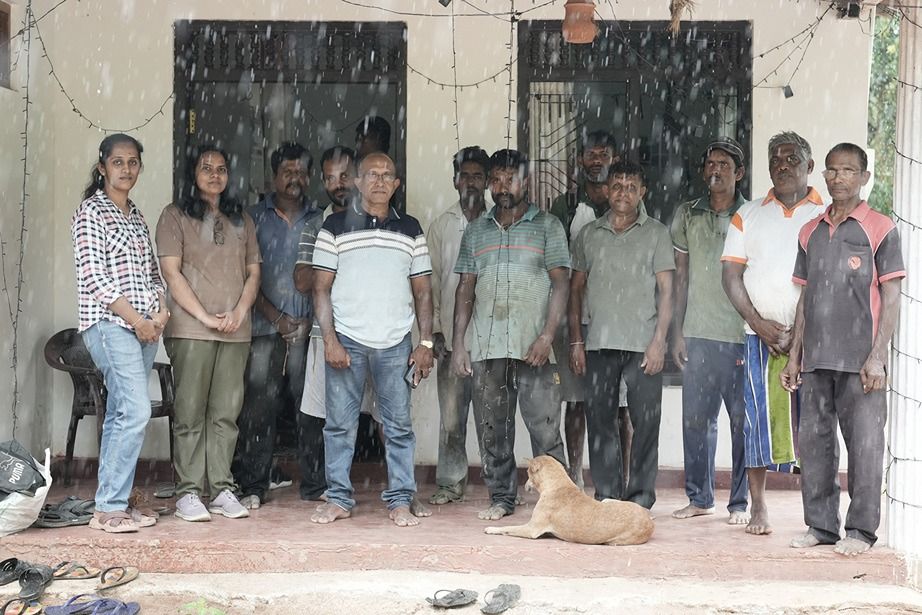
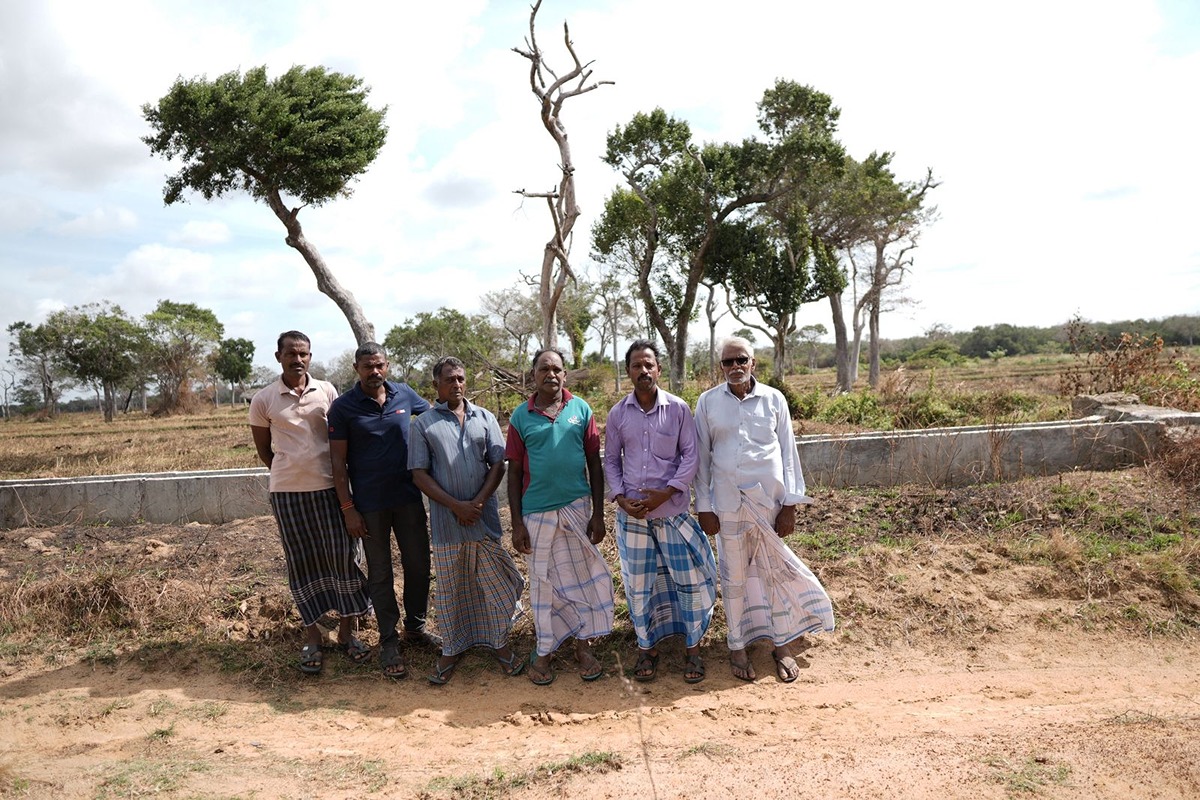
From these early learnings, a business was born. Today, with over 240 smallholder suppliers, Maliduwa Kithul has established a diverse, trust-based supply chain rooted in rural knowledge and ecological responsibility. Many of these suppliers, both men and women, depend on kithul as a core source of income, making the enterprise a vital anchor for community livelihoods.
One of the most distinctive features of Maliduwa Kithul is its diverse and inclusive customer base, both nationally and internationally. By connecting rural producers with modern, ethical commerce, Maliduwa Kithul demonstrates how tradition can thrive within inclusive and sustainable market practices. Furthermore, the strength of its value chain has created significant income opportunities for smallholders.
Strategic Support from Chrysalis/GIZ: A Turning Point
He had no prior idea about forming a joint business, but through the FICE-supported joint venture mechanism, he found inspiration. In collaboration with Kokulam Products from Mannar, in Sri Lanka’s Northern Province. The joint venture has already yielded several unique product innovations, bringing together the strengths of both kithul and palmyrah. By blending tradition with modern enterprise, the collaboration between Mr. Wijaya and Mr. Gokulapalan not only diversifies market offerings for sweet lovers in Sri Lanka and beyond but also sets the foundation for a new chapter in harmony and peaceful coexistence.
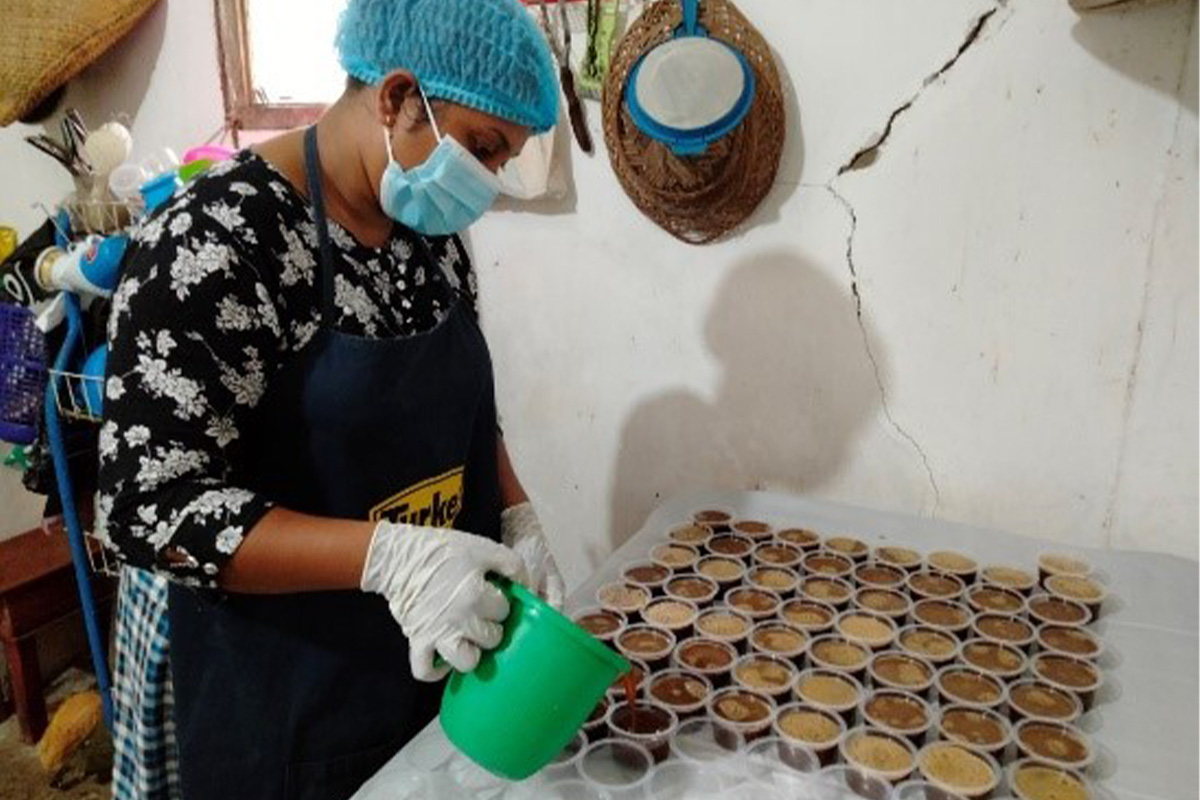
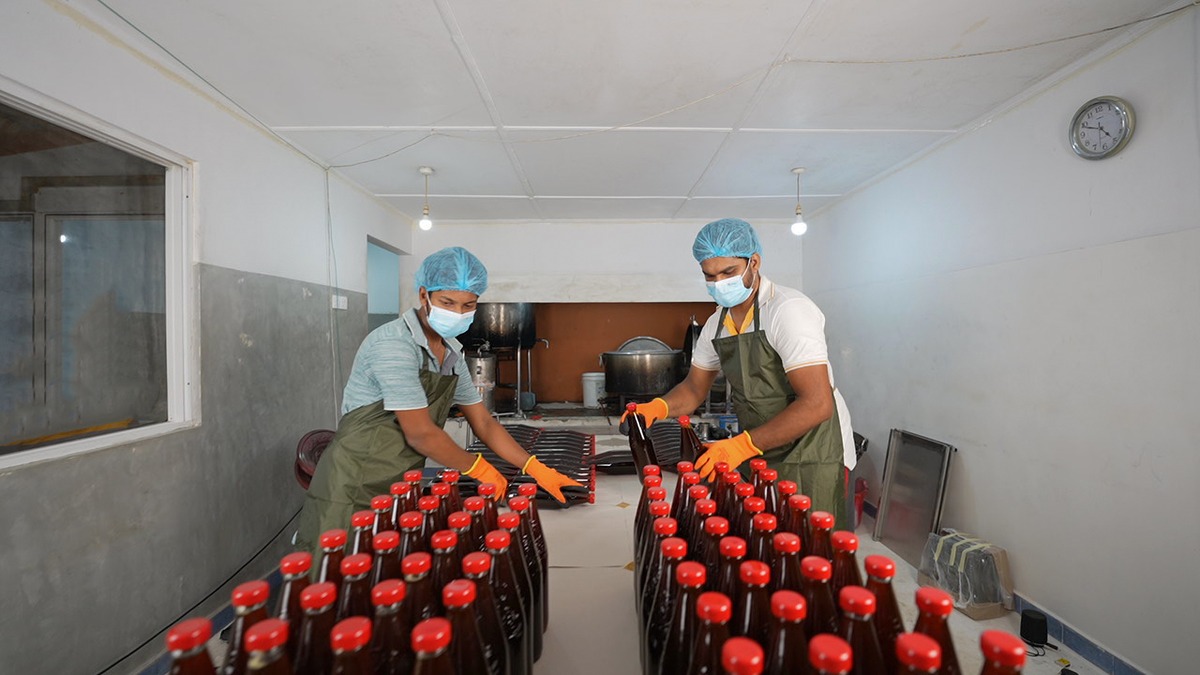
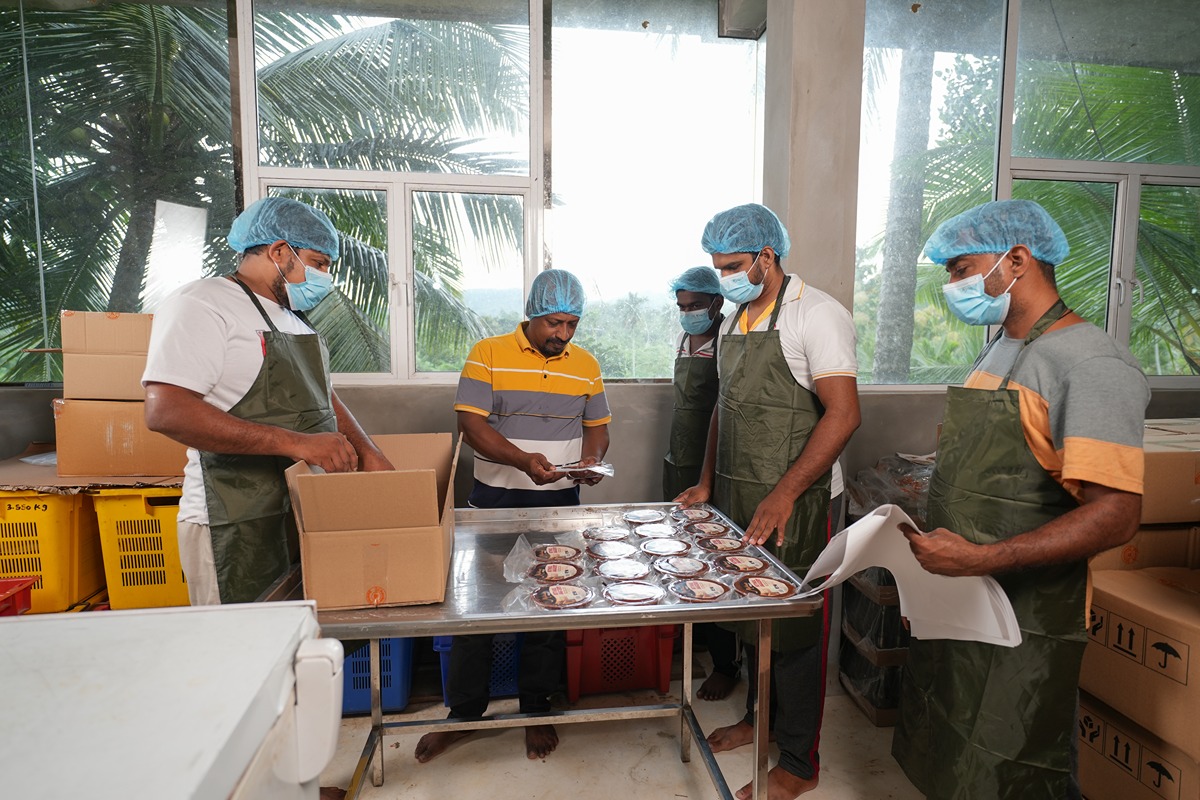
Sustainability is also embedded in its operations. With support from Chrysalis FICE and GIZ, the enterprise adopted new technology that ensure food safety, improve hygiene, and increase processing efficiency as well as administration.
“Along with my staff, I openly worked together with FICE experts to determine the proper bookkeeping practice and correct previous errors and adopt the practice immediately after the training”
Preserving Tradition through Fair Commercialization and Community Respect
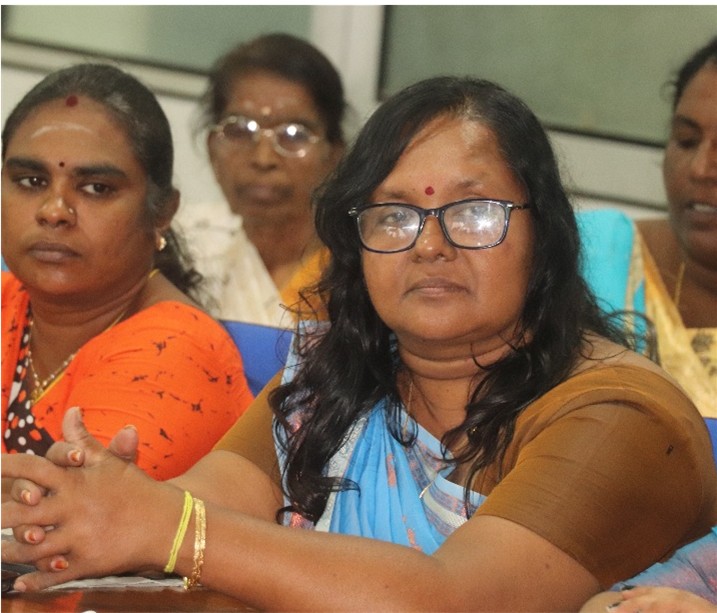
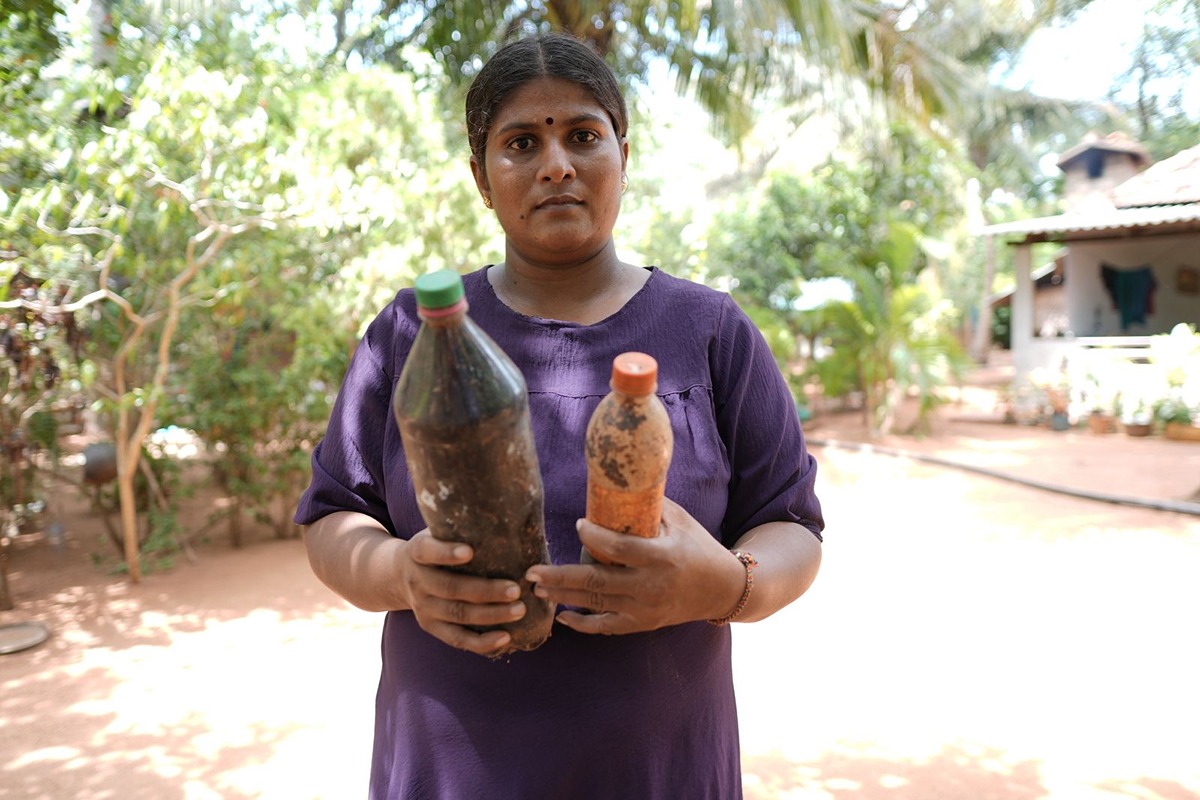
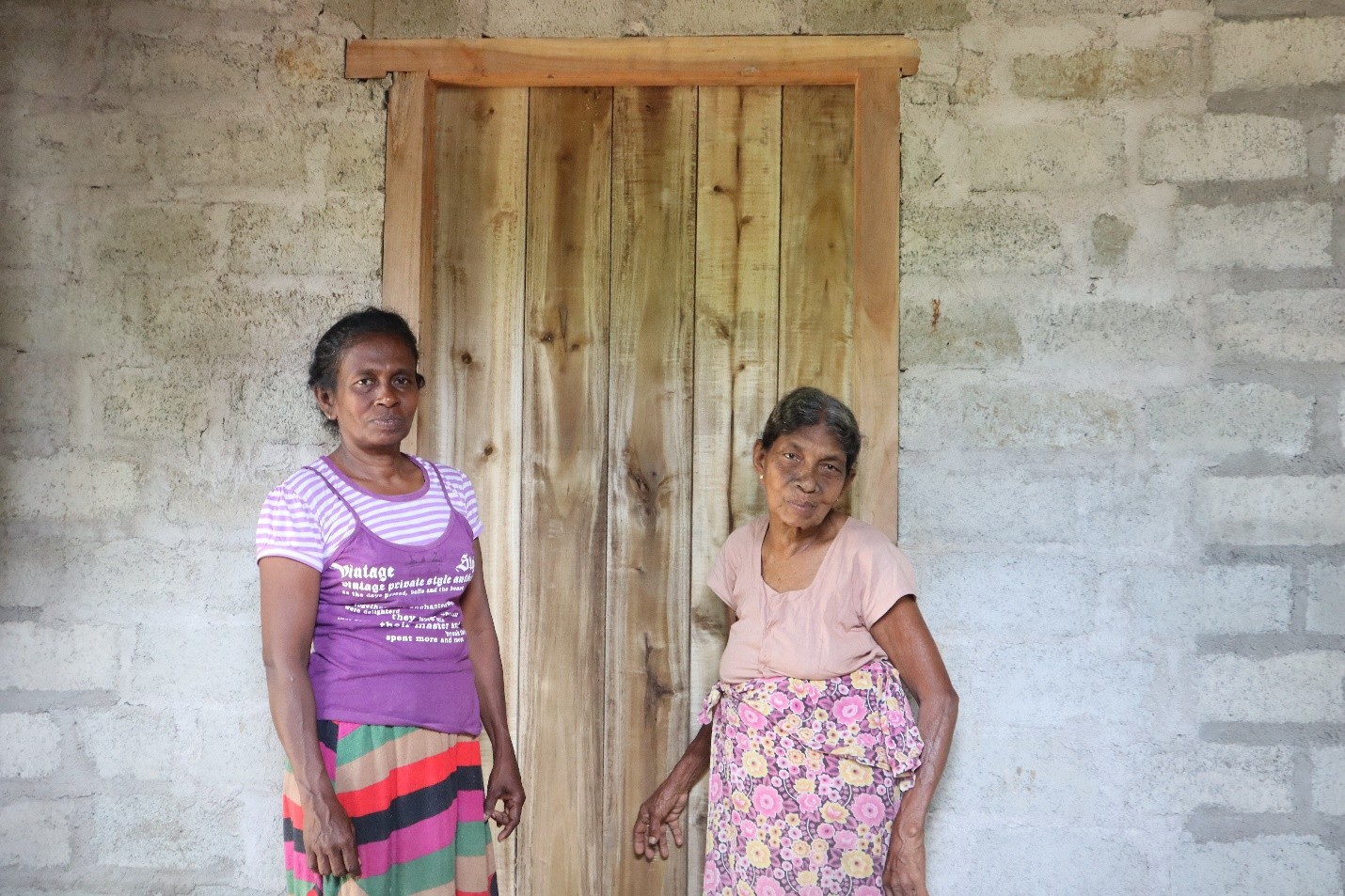
While often underrepresented in traditional industries, women from the majority of Maliduwa Kithul’s sap processors. Assisting men’s since at dawn to collect sap and boiling treacle throughout the day, these women safeguard a craft that is both physically demanding and technically precise. Yet, despite their central role, many remain invisible in formal statistics. Previously, Wijaya never considered the position of women in supplying an uninterrupted flow. According to FICE project inputs, he has shaped his vision to ensure active participation and benefits to the women throughout the supply chain.
Youth engagement has also emerged as a strategic priority. In villages grappling with high levels of youth unemployment, the enterprise has launched outreach efforts to showcase the economic potential of kithul tapping.
“This gives me hope that the industry will not just survive but thrive into a viable and sustainable industry for the future.”
Through the FICE project’s business awareness and capacity-building support, Mr. Wijaya has been able to expand his enterprise with a focus of ensuring that both tradition and innovation move forward hand in hand.
Praise and Value to the lives and Environment
As Sri Lanka’s economic crisis deepened in recent years, rising gas prices forced many small producers to scale down or close operations. Maliduwa Kithul, however, chose a path of innovation. The enterprise constructed a firewood boiler system fuelled by discarded tea stems and other non-commercial wood (never freshly cut trees) to power treacle boiling. This system also doubles as a heat source for spice dehydration, reducing energy waste and promoting circular production.
Maliduwa Kithul’s inclusive business model not only
guarantees fair compensation for suppliers but also prioritises their safety.
Recognising the risks of the industry, the enterprise routinely replaces
climbing ropes, traditionally made of biodegradable coir, since many
smallholders cannot afford replacements, and worn ropes have caused fatal accidents
in the past.
“This is a life-risking operation, and I have witnessed many such cases in my lifetime. For this reason, I am going to introduce safety measures, as well as a life insurance scheme starting with the high-volume vendors who provide over 30 kg per month.”
Looking Ahead: A Scalable, Sustainable Vision
Maliduwa Kithul is more than a rural business it is a living case study of how indigenous knowledge, inclusive supply chains, and environmentally responsible practices can converge to create impactful, future-oriented enterprises. With strategic partnerships, ethical leadership, and a commitment to community, the enterprise continues to thrive, proving that sustainability, when built on inclusion and innovation, can be both practical and transformative.
Other Case Studies
Discover how Chrysalis transforms challenges into impactful solutions through real-world projects that drive sustainable growth and meaningful change.