Pandora Garments : Stitching Strategy, Resilience, and Inclusive Growth in Mannar
In the coastal district of Mannar, opportunities for stable
livelihoods are scarce. Far removed from the country’s commercial capital,
Mannar consistently ranks among Sri Lanka’s lower-development districts, shaped
by decades of poverty, conflict, and displacement. It represents just 1% of the
national population, with the majority living in rural areas where unemployment
and informal employment remain high.
Mannar’s history adds another layer of complexity. Once a
frontline of the civil conflict, the district is home mainly to Tamil and
Muslim communities, with lingering fault lines that occasionally ripple beyond
its borders. Several incidents in Mannar over the past decade have sparked tensions
in the south, underscoring the district’s fragility as a potential trigger
point for conflict.
Mannar is a place known more for fishing and agriculture
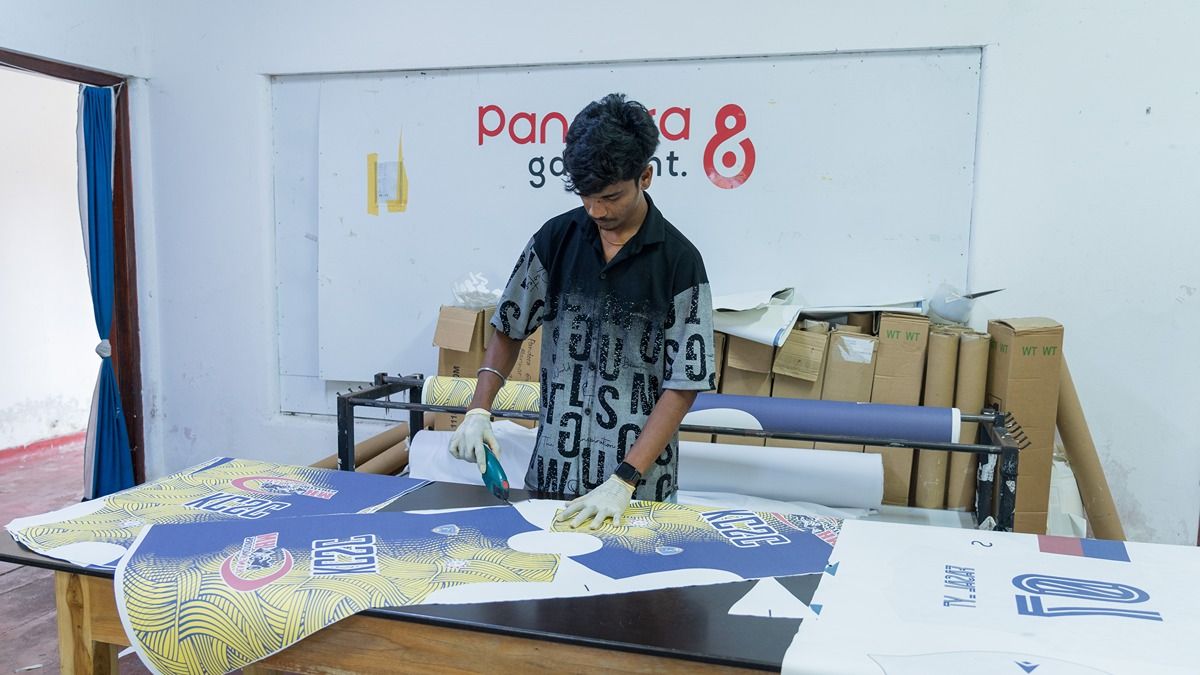
than fashion, yet a small team of entrepreneurs is quietly sewing together a
new narrative: one of resilience, inclusion, and innovation. Pandora Garments,
a business founded by Somasundaram Prathapan and seven colleagues, has grown
from humble beginnings into a promising venture specialising in sportswear manufacturing.
“We started with almost no knowledge, we had to learn everything
about machines and overall business, along the way.”
A breakthrough came when Pandora Garments was introduced to
the Chrysalis FICE programme through government officials of Mannar district. Following
a structured selection process, the company qualified for technical training
and grant support under the Chrysalis FICE programme, funded by GIZ and the EU.
This support proved pivotal offering both the resources and the guidance to
transform Pandora from a struggling start-up into a business with clear
direction, strengthened capacity, and renewed confidence in its future.
Learning the Value of Diversity and Inclusion
vital learning that emerged through the FICE programme was
the importance of embedding diversity, equity, and inclusion into the very
fabric of the business. For Pandora Garments, located in a district where
Tamils and Muslims form the majority, this is not simply a corporate choice but
a social necessity.
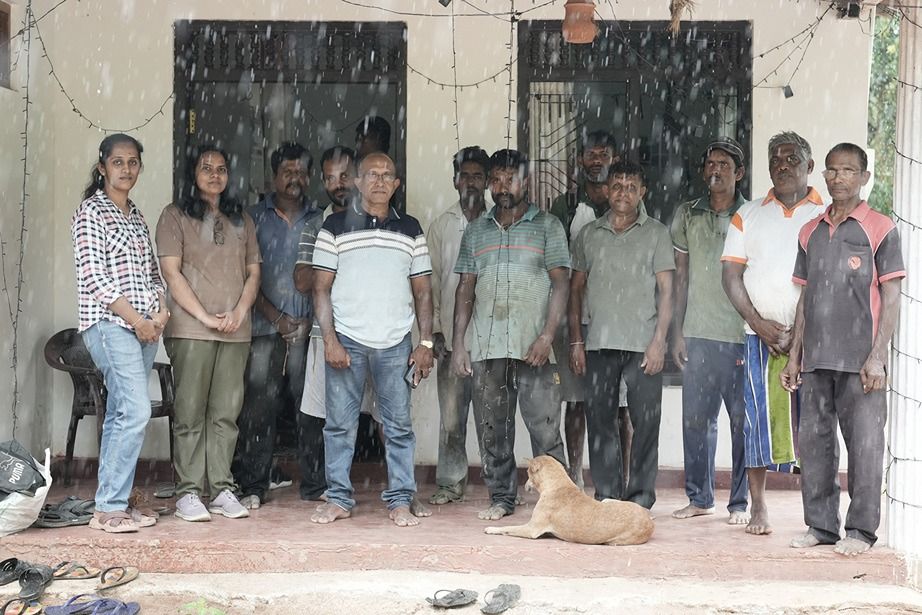
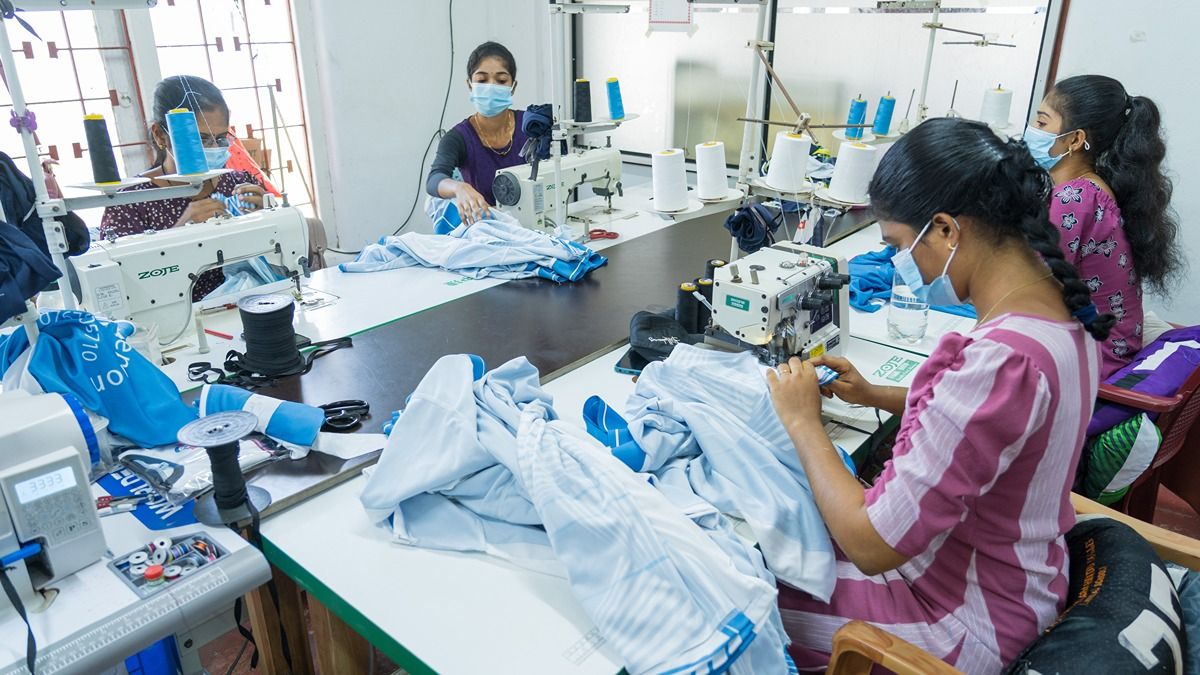
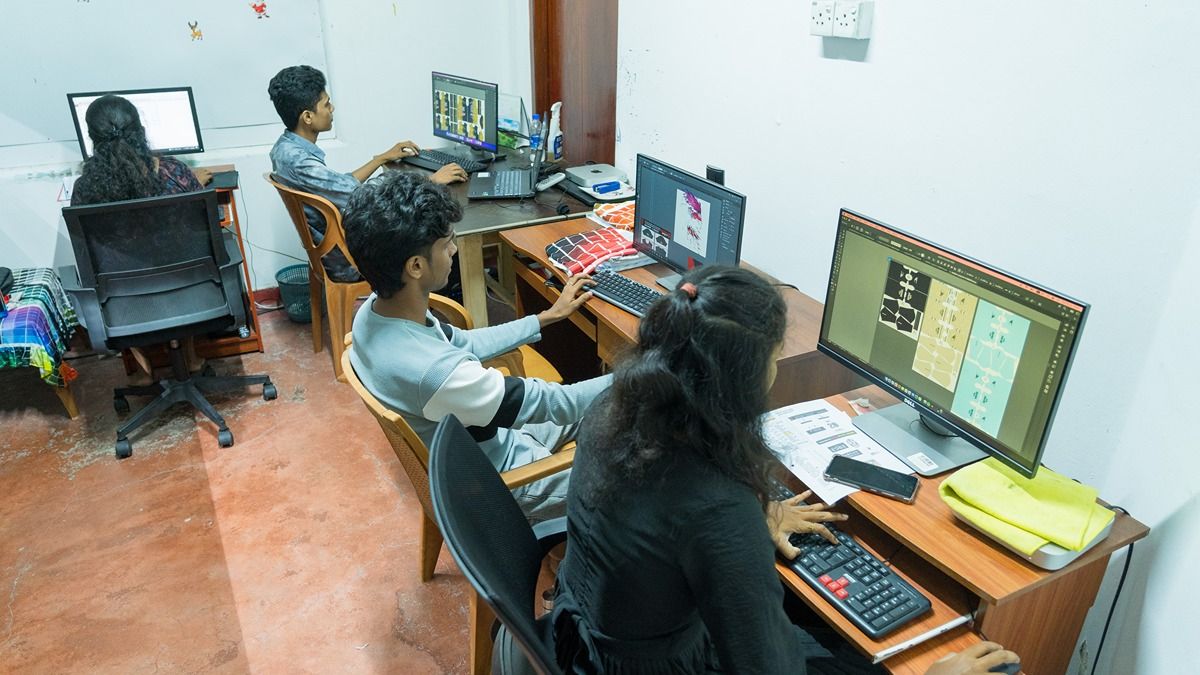
The company’s workforce mirrors Mannar’s ethnic makeup, with
young men and women from both Tamil and Muslim communities working side by
side. Although all eight directors are men, the leadership has firmly
recognised that long-term sustainability depends on embracing differences,
ensuring women’s access to stable employment, valuing the perspectives of
youth, and fostering cross-community trust.
Inclusiveness and gender equality were not a management
issue in Pandora Garments before. It simply hired and trained people to perform
specific tasks. However, with the broader vision imparted by the FICE project,
their attitude has changed. They now realize their broader role in helping to
address development issues in the district.
“This inclusivity is not only essential for our business,
but for the social progress of Mannar”
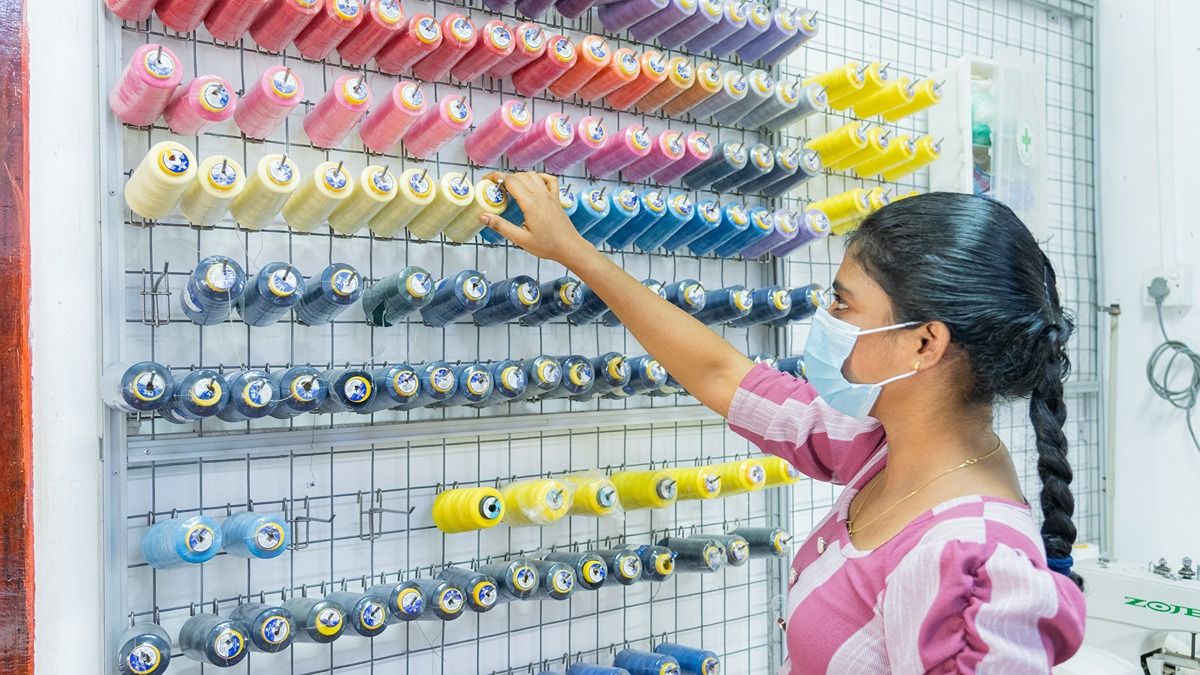
This marks an important first step in converting unskilled
labour into skilled employment, an especially significant contribution in
Mannar, where precarious and informal work remains high. By employing and
upskilling young women, Pandora is activating their economic participation and
contributing to wider empowerment, creating ripple effects across families and communities.
As the business matures, progressive measures introduced
through the knowledge gained from the FICE programme have further strengthened
staff retention and welfare. New hires are confirmed as permanent after six
months, bonuses are paid when possible, and during difficult times directors
even stepped in to cover salaries. These practices have offered employees a
rare sense of stability and security in an otherwise uncertain labour market.
Investing in People and Machines for Sustainable
Growth
One of the most significant recent milestones for Pandora
Garments was the acquisition of a LKR 1.9 million heat transfer machine, a
major investment partially funded through a matching grant from the FICE
programme. The team had diligently saved half the cost themselves, and Chrysalis’s
support enabled them to bring this much-needed equipment on board sooner than anticipated.
The machine has already become a symbol of the company’s
future. Once in use, it will allow Pandora to significantly boost production
capacity, reduce reliance on outsourcing, and expand its product range to
include digitally printed garments and branded accessories such as caps. From a
current output of 10–15 items per day, the company aims to scale up to 50 items
daily and hire at least five additional employees.
There were a few challenges that had to be addressed in
making the transition from small-scale to medium-level business. The support of
the FICE project in developing administrative capacity has undoubtedly assisted
Pandora Garments in overcoming the challenges and charting a clear future
course of action with a well-defined long-term plan.
“We see ourselves growing to a team of 50 over the next
few years but we want that growth to be meaningful for our people, for our
community. and for the environment.”
A Remarkable Initiative to Uplift Lives and Promote
Peaceful Coexistence
Pandora Garments stands at a pivotal point in its journey,
not only as a growing enterprise but as a catalyst for inclusive and peaceful
development in Mannar. With guidance and support from the FICE programme, the
company has strengthened social cohesion, improved living standards, and
fostered resilience among youth. By providing stable, skilled employment for women
and young people from diverse ethnic backgrounds, Pandora directly addresses
negative employment indicators in the district while empowering communities
economically.
Through inclusive hiring and workforce development, the
company nurtures a generation of young employees capable of facing challenges
in tense situations and bridging divides across different ethnicities and
cultures. Pandora’s initiatives show that business success can go hand in hand
with community transformation: improving livelihoods, encouraging collaboration
between different ethnic groups, and promoting understanding and trust.
“We’re not just making clothes, we’re building futures
for our staff, for our district, and for ourselves.”
In doing so, Pandora Garments exemplifies how an enterprise,
supported through training, mentoring, and grant assistance, can contribute
meaningfully to a cohesive business ecosystem, inclusive growth, and peaceful
coexistence, achieving impact far beyond traditional economic metrics.
Other Case Studies
Discover how Chrysalis transforms challenges into impactful solutions through real-world projects that drive sustainable growth and meaningful change.