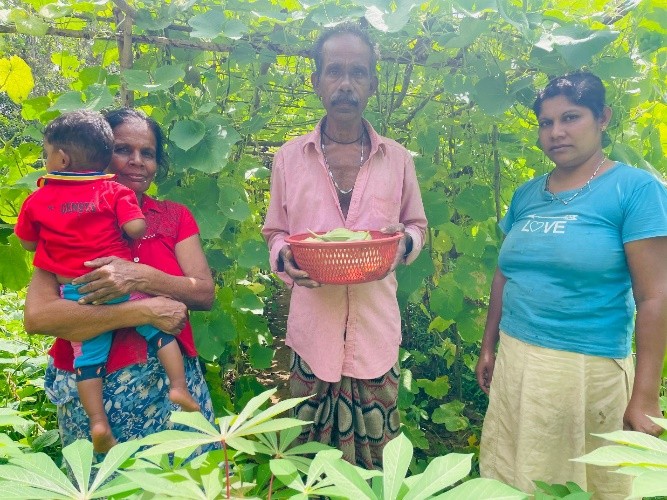
Mr. K. R. K. Siripala Ranaweera, a 67-year-old
farmer born in 1957, lives in the Siyambalagashena area of Wadatta with his
wife, K. H. M. Ranmanika. Despite his decades of experience in farming, Mr.
Siripala continues to face significant challenges that leave him vulnerable.
He is the father of two children, and his
primary livelihood is farming. Currently, he owns only half an acre of paddy,
using its harvest sparingly for home consumption. He is married with two
children; his only son, who is 35 years old, also resides in the household with
his wife and their two children. His eldest daughter, aged 40, is a mother of
two as well.
Siripala, his son, and his son-in-law do not
have a stable income. With four grandchildren, the family works together on the
farm to provide food for nine members and to meet their economic needs. In
addition to their farming activities, they also raise dairy cows and cultivate
betel leaves. The income from the hired work done by his son brings some
welcome relief.
In addition to providing food, there is a
pressing need for them to supplement their income with additional funds to
support the daily expenses of school-going children, educational facilities,
and other essential needs.
Meanwhile, amidst the
unexpected economic crisis in Sri Lanka, the economic hardships faced by these
individuals, along with those of the impoverished population, have intensified.
The rising cost of living and the increasing expenses associated with food
production have led to a significant decline in food security. Commercial
farming has become a distant dream as commodity prices, including fertilizers,
have soared.
That period was
extremely challenging for his life. In the face of the economic crisis and the
COVID-19 pandemic, they were unable to achieve the same paddy harvest as
before. The rising costs of chemicals and the unavailability of fertilizers
further exacerbated the situation. Additionally, he struggled to sell the milk
from their dairy cows due to fuel shortages linked to the pandemic. The hiring
of labor had to be halted because of the COVID-19 restrictions and there by Mr.
Siripala's son found it very difficult to secure employment, as job
opportunities became scarce.
Siripala, the
grandfather, has been facing significant economic challenges as he seeks to
support his family. His son-in-law traveled abroad about six months ago in
search of employment but has yet to secure a position. This situation has
placed additional financial strain on Siripala, who must shoulder the family's
responsibilities during this difficult time. The son-in-law's decision to leave
his wife and three school-age children behind has not only created emotional
challenges but has also intensified Siripala’s burden. With rising inflation
and the cost of living continually increasing, Siripala feels the weight of
ensuring that the family’s needs are met while they navigate these trying
circumstances.
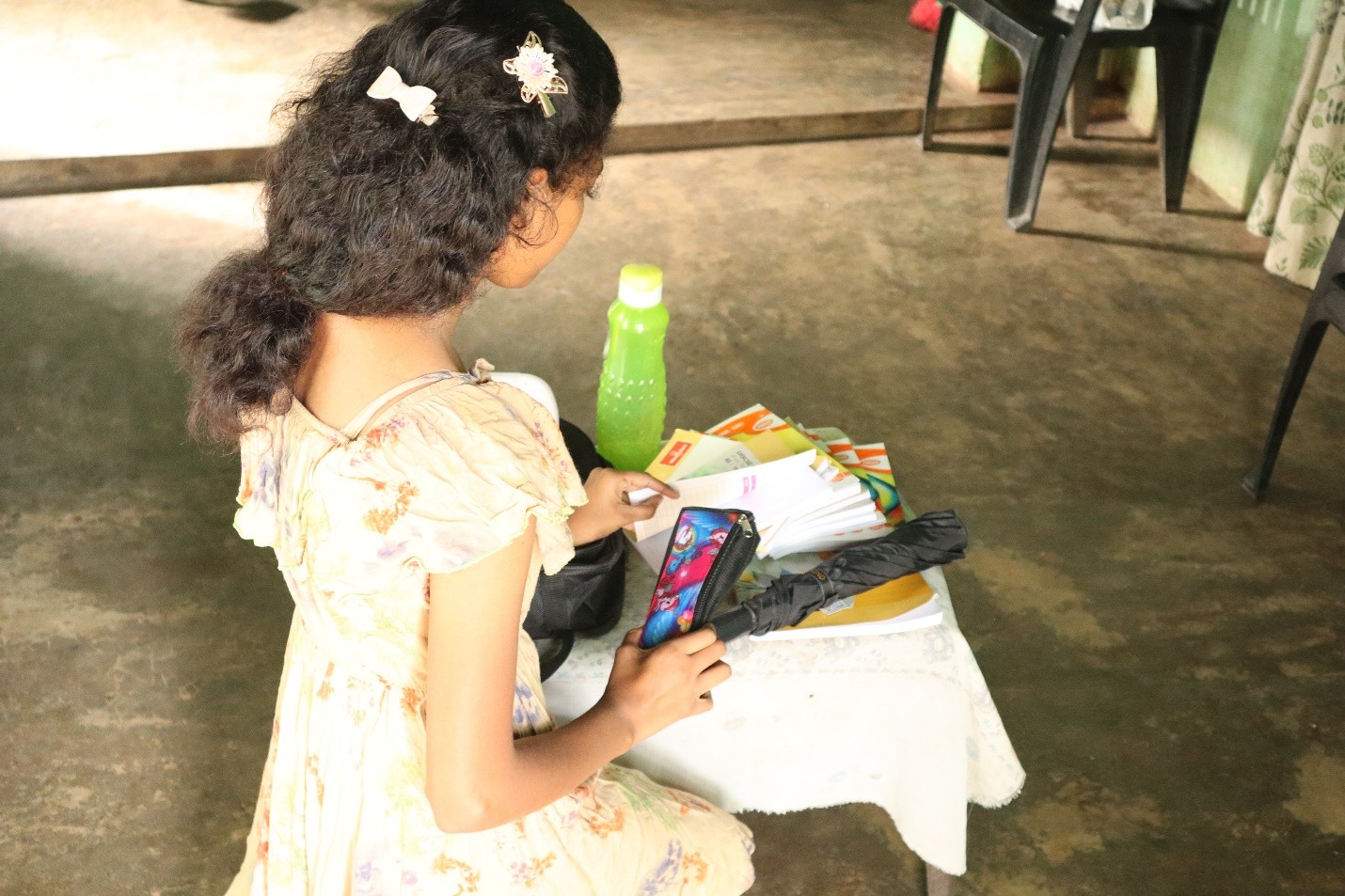
Siripala described his
economic situation as follows:
"We primarily
depend on the income from farming. It has been very challenging due to the high
cost of fertilizers. Additionally, the expenses for my grandchildren's
schoolbooks and supplies are significant. They continually ask for various
items from school, which adds to our financial strain. My son brings in a small
income from his rental work, but it is insufficient to cover all our
needs."
Additionally,
the challenges associated with his current farming efforts are considerable
“As time progresses, we
find ourselves affected by various challenges, leading to a decline in the food
available for our Milking Cows. Even when they venture far to search for grass,
the yield of milk from them diminishes significantly. Additionally, cultivating
crops in the garden becomes quite difficult due to the threats posed by
peacocks, monkeys, and pigs. Moreover, he faces the added challenge of wild
elephants disrupting his farming efforts. It’s evident that he is a victim of
economic hardships, which understandably leads to feelings of frustration over
these issues”.
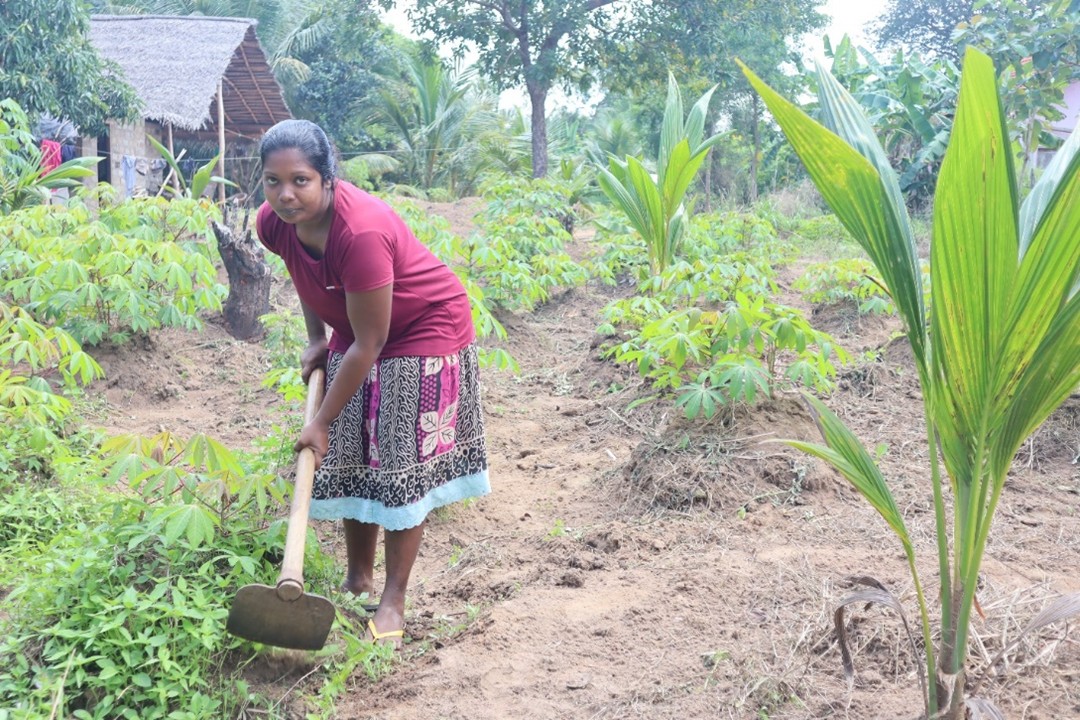
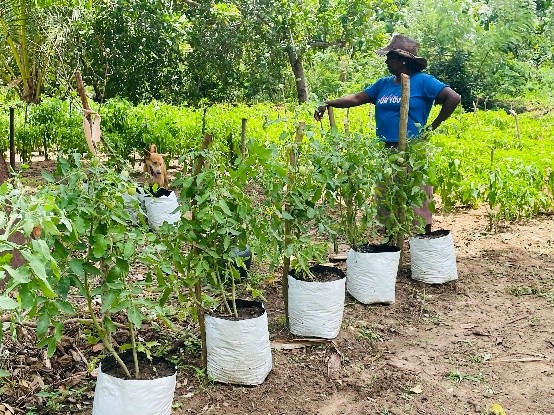
Under the
Chrysalis Project, vulnerable communities facing poor diets are provided with
home gardening kits to promote food security and address urgent food and
nutritional needs. On May 15, 2024, Mr. Siripala will receive a gardening kit
as part of this program, along with valuable training provided by the
Department of Agriculture. This training proved immensely beneficial, equipping
him with knowledge in areas such as fencing, nursery management, organic
fertilizers, pest and disease control, and effective water management. With
this expertise, he successfully created an attractive and productive garden,
yielding impressive results.
He has
planted all the varieties included in the gardening set, along with some
additional crops. This demonstrates his strong understanding of the financial
benefits that can be derived from this garden. He has generated a decent income
from the seeds and nursery plants he cultivated. As a result, he has been able
to cover many household expenses.
Considering the garden's productive potential, Siripala has successfully
harvested an impressive variety of crops: 30 kg of radish, 15 kg of bitter
gourd, 20 kg of okra, 30 kg of luffa, 25 kg of Mea, 35 kg of brinjal, 40 kg of
Winged Beans, 30 kg of cucumber, and another 50 kg of watermelon. From these
bountiful harvests, he has generated an income of 18,000 rupees through sales.
Each of these crops not only contributes significantly to the nutritional needs
of the household but also enhances their overall well-being.
Additionally, he has produced 2 kg of beans, 2 kg of cabbage, 5 kg of
tomatoes, and 4 kg of fish and chili. The majority of this harvest is enjoyed
by the family for home consumption, while a portion of the fruits and
vegetables is generously shared with neighbors, fostering a sense of community.
This act of sharing not only strengthens bonds among neighbors but also
cultivates a spirit of cooperation and mutual support within the community.
He
shares the benefits he has received, stating, "Typically, when we buy
vegetables from the local shop, it costs us between 2,500 to 3,000 rupees per
week, adding up to around 10,000 rupees each month—an amount that only
increases over time. This has saved me a significant amount of money, which I
can now allocate towards my grandchildren's education. I am incredibly grateful
for the kit provided. The training program has taught me so much, and I have
replanted numerous seeds which are growing quickly. This experience has immensely
benefited me, and I hope to continue on this path."
His living expenses have decreased significantly due to the garden set
he received. This extra income can now be allocated toward other essential
needs of the family, leading to an expanded variety in their diet.
Additionally, the nutritional value of their food has improved. Overall, it can
be concluded that his vulnerability to economic difficulties has diminished
considerably.
In summary, the benefits of the garden set have had a positive ripple
effect on the family's well-being, enhancing their financial stability and
nutritional health while reducing their Vulnerability.