Sowing Resilience: A Journey from Crisis to Self-Sustenance
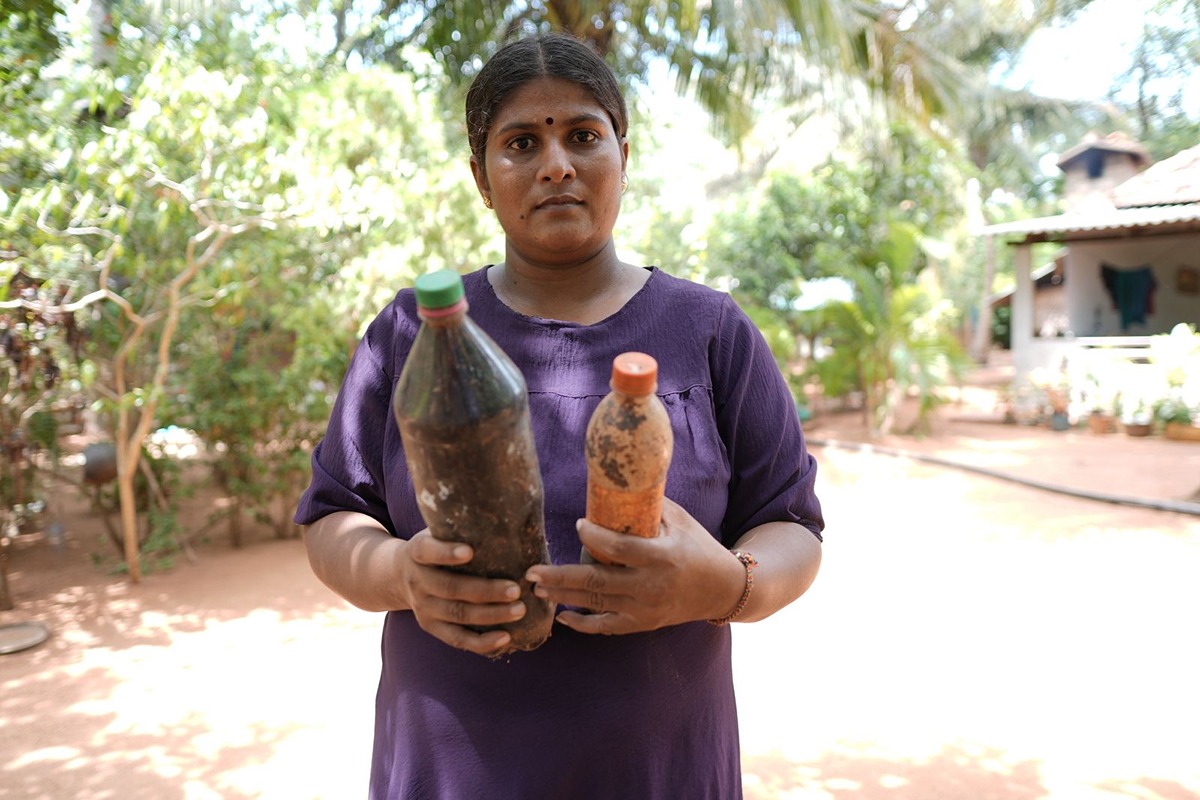
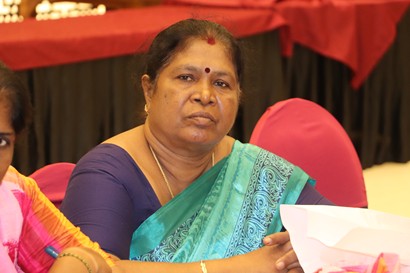
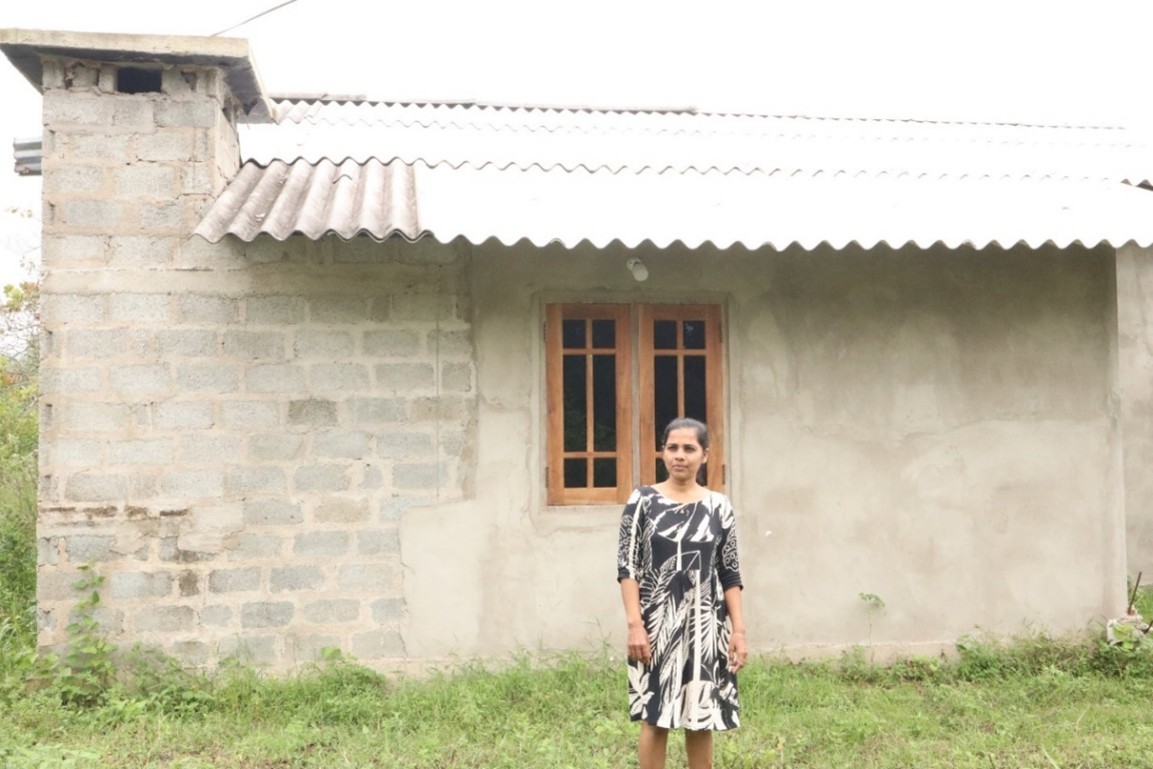
Shiroma Morin Priyanthi, 50, is a
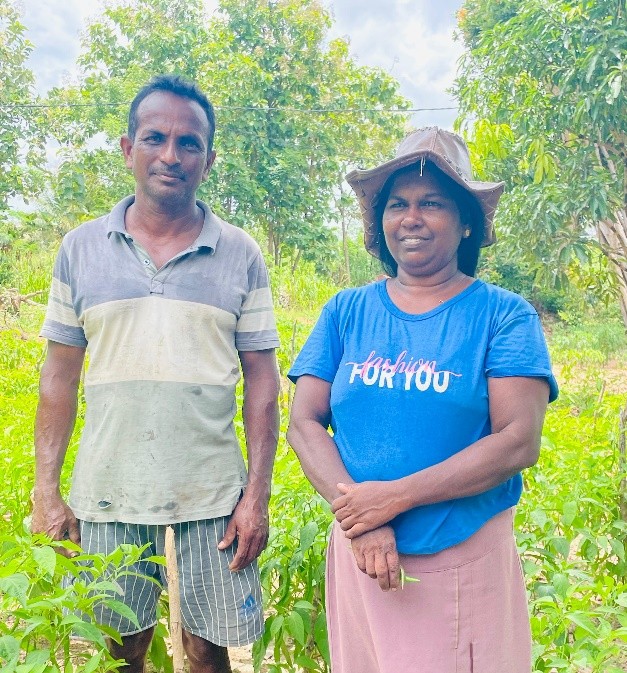
resident of Egodagama, Mohoriya. She lives with her husband, P.K. Upul
Priyantha, 53, and earns a living through farming. She began her schooling at
Wilpatha School and completed her education by passing the G.C.E. Advanced
Level in 1993. Born on June 18, 1974, she is the fourth child in her family.
Her mother was also involved in farming, while her father earned a living by
sewing clothes. She has three sisters and one brother, and she settled in
Mohoriya after her marriage. Unfortunately, although they married in 2005, they
do not have children. As a result, she distanced herself from her family and
began living with her husband in Mohoriya.
Before taking up farming, she worked
for an NGO and was also employed at the handicraft and goods savings unit of
the Wilpatha Women's Savings Bank. However, after marriage, she chose to leave
her job.
Sri Lanka has been facing an
unprecedented economic crisis since 2022 due to the collapse of its economy.
The effects of this crisis have deeply impacted the people, disrupting their
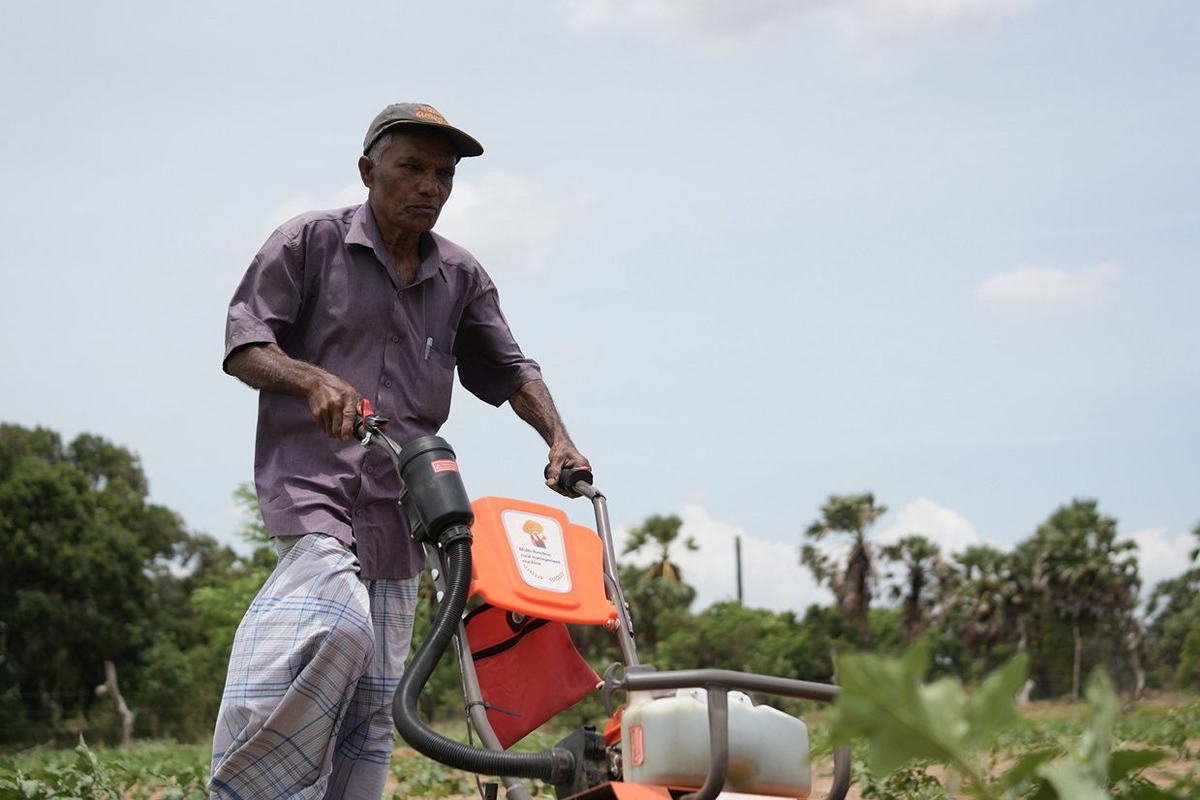
daily lives. During this challenging time, Shiroma turned to farming to support
her livelihood. She began farming alongside her husband to supplement the
family's income.
“During the economic crisis, it became impossible to buy fertilizer, which cost Rs. 15,000 per bag. At times, we couldn’t even afford it. We also needed to buy seeds, but that wasn’t possible either. We worked hard and tried to cultivate a season, but it was very difficult. The area where we live has become a hotspot for wild elephants. Elephants invade the village around three or four in the afternoon. We make significant sacrifices to protect our crops. Despite the challenges, we managed to cultivate a small amount, but we couldn’t sell it.
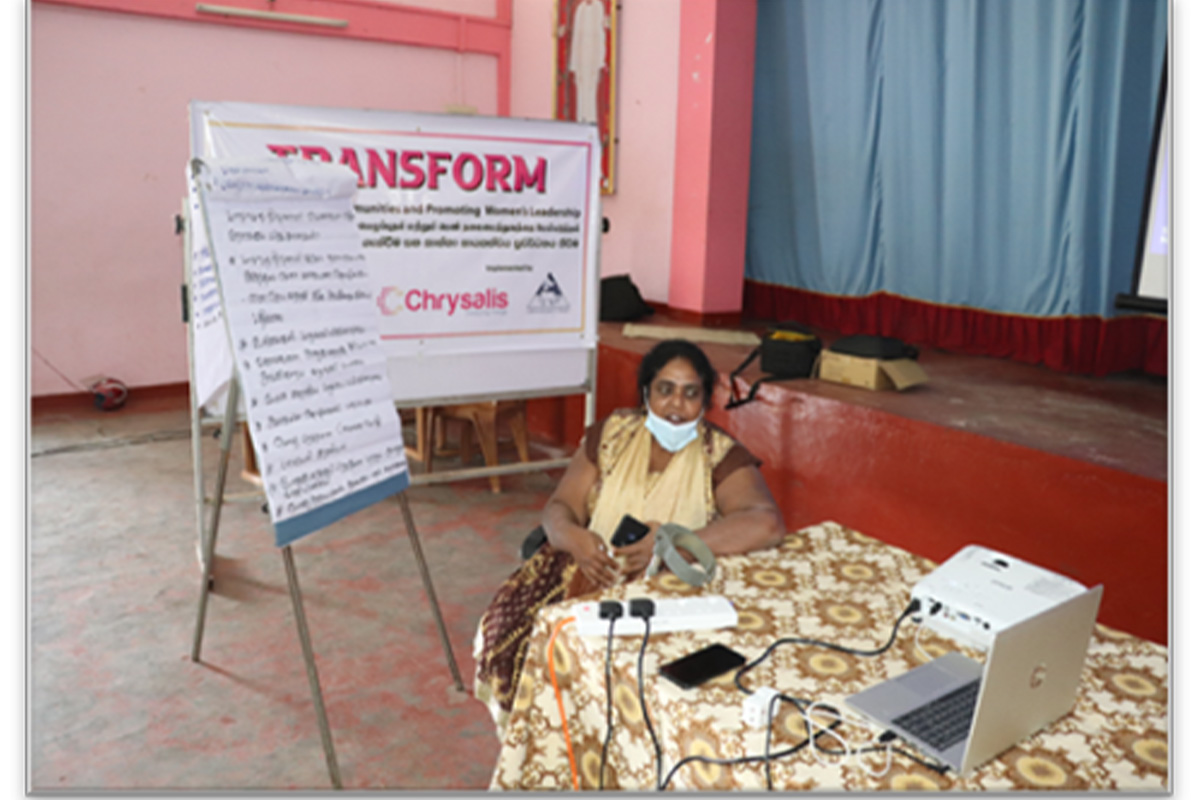
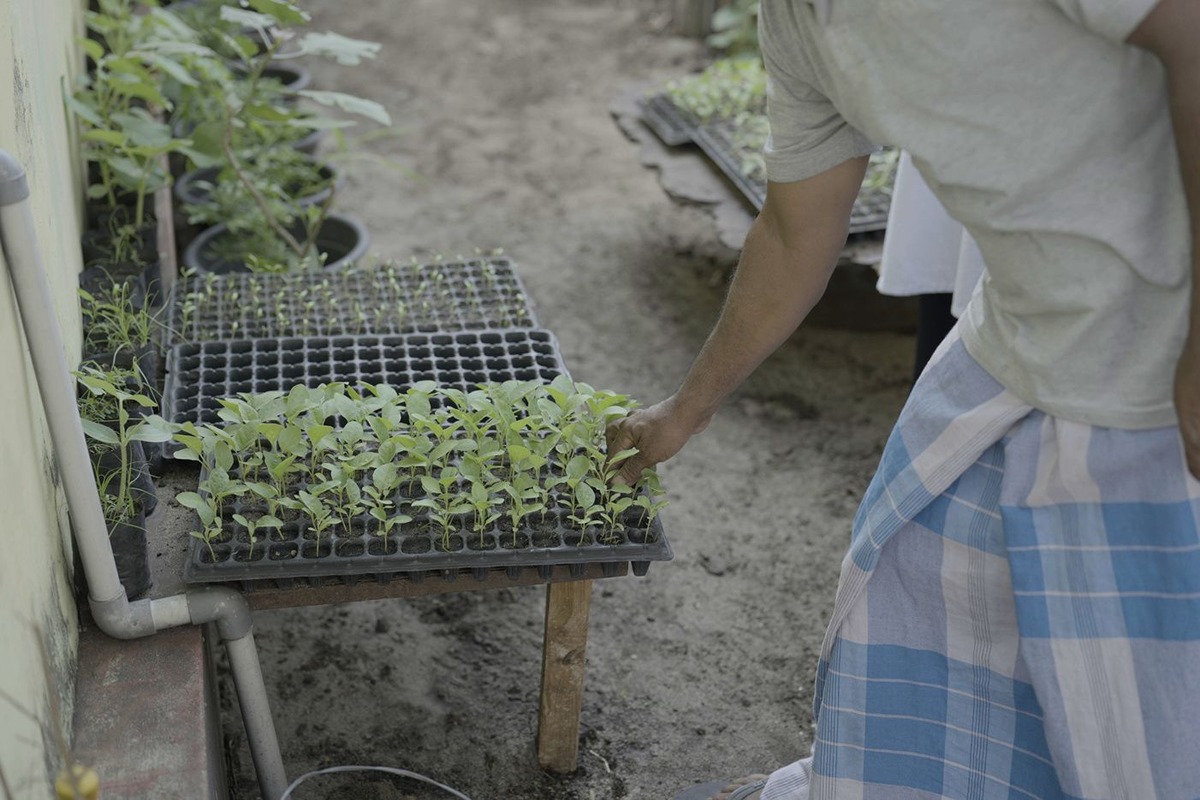
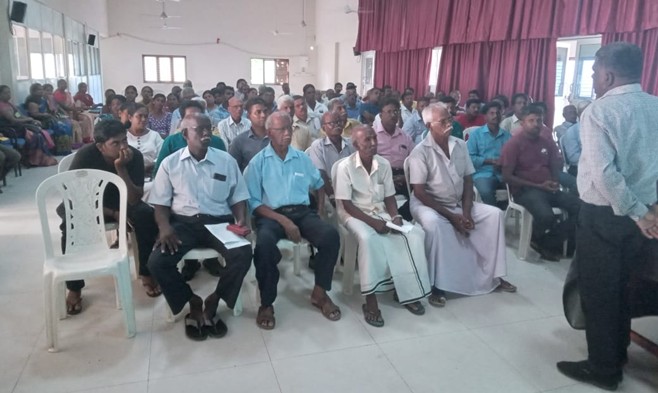
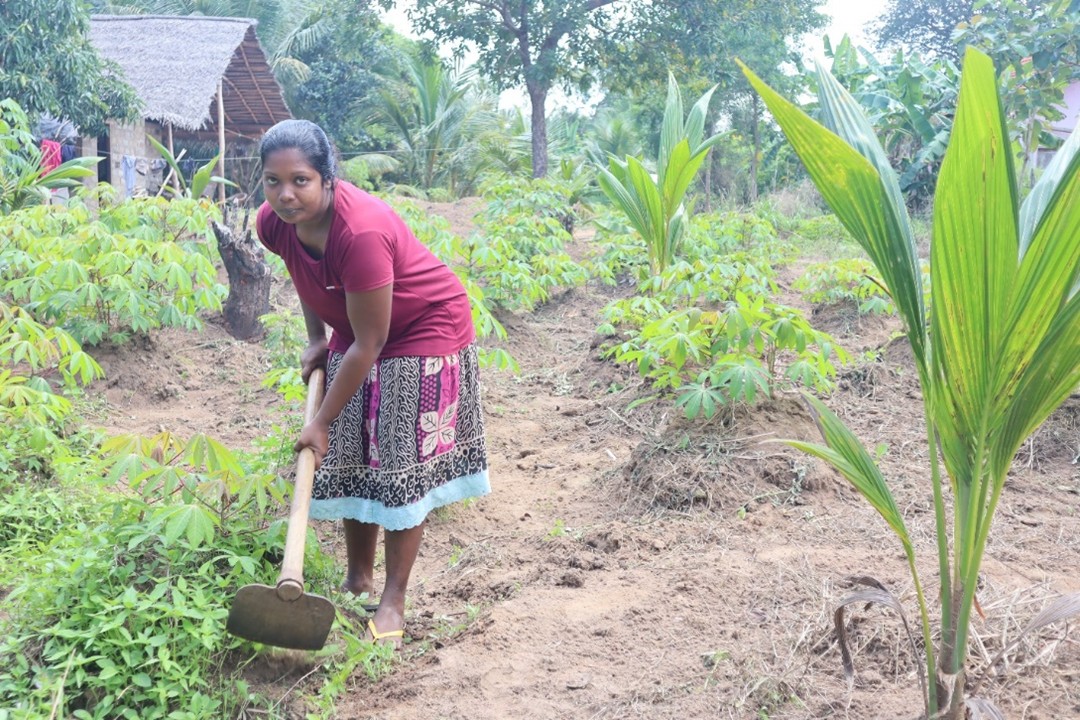
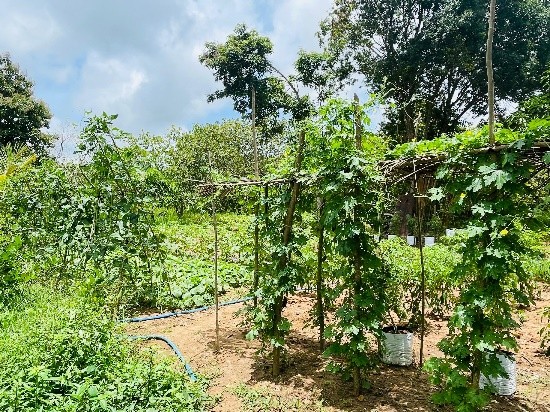
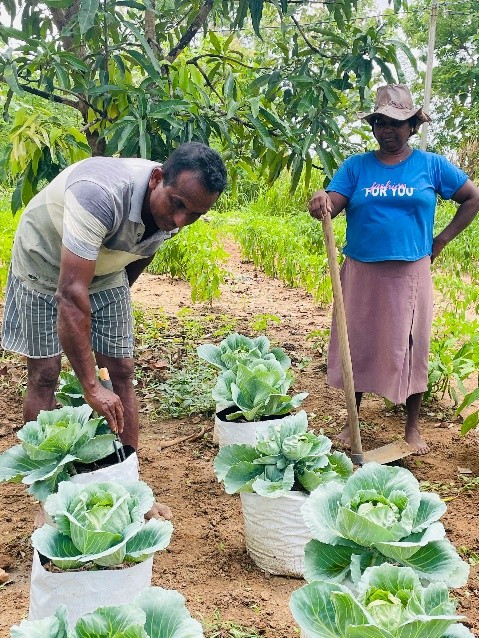
Through the training we received, we gained a lot of valuable knowledge on home gardening. We carefully selected a better cultivation site, built a fence, and used methods like pheromone traps and yellow sticky traps instead of chemical pesticides. As a result, we were able to achieve a better harvest than usual. It also became easier to protect our farmland compared to before.”
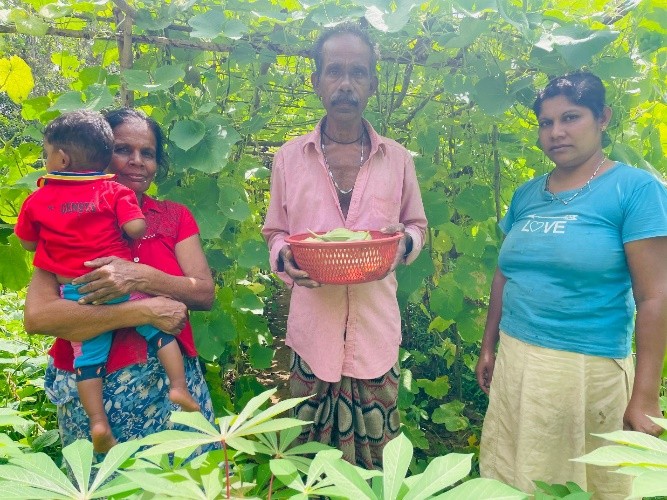
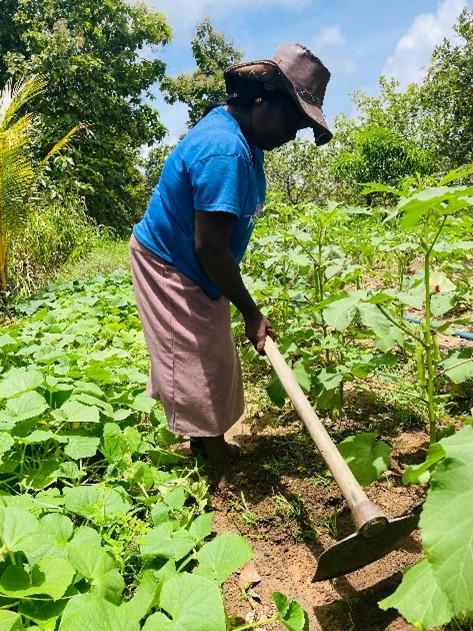
Shiroma received a home gardening kit on May 15,2024. This provided a new opportunity for them to strengthen their economy. They were able to make good use of it and cultivated the garden successfully.
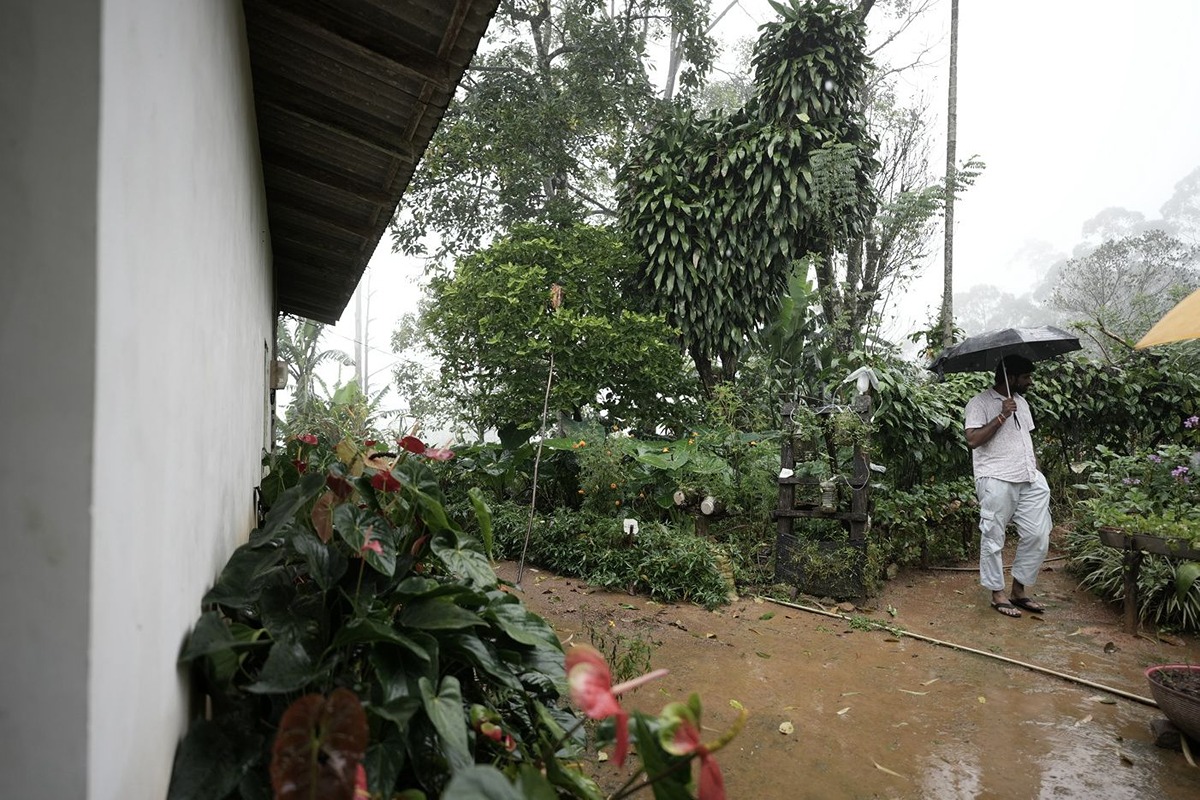
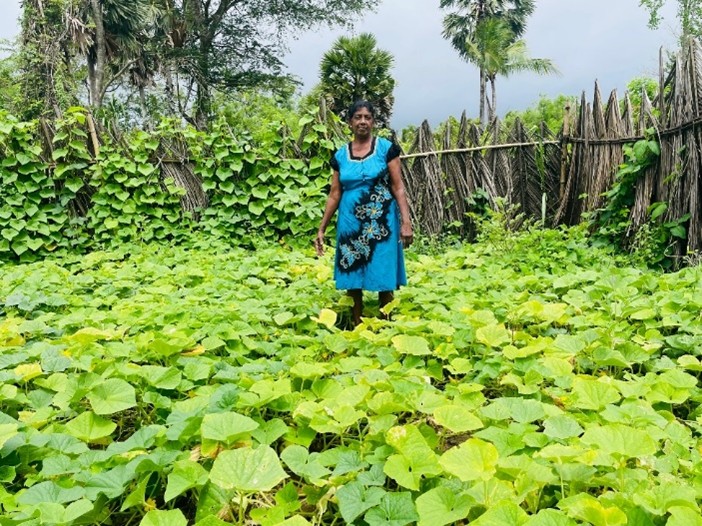
The people were greatly affected by the heavy rains that hit the Puttalam district within two to three days of receiving the gardening kit. What makes their story unique is that, despite the challenges, they refrained from their usual farming activities during this period and began planting the seeds as soon as the rains stopped. As a result, their garden thrived and grew very well.
In a short period
of time, they successfully harvested a variety of crops, including mangoes,
okra, and eggplants. They collected 25 kilograms of mangoes, 7 kilograms of
chillies, 4 kilograms of fish chillies, 6 kilograms of tomatoes, 20 kilograms
of eggplants, 30 kilograms of plantains, 40 kilograms of watermelons, 30
kilograms of radishes, 20 kilograms of okra, 30 kilograms of cucumbers, and 10
kilograms of cabbage. From selling these, they earned over Rs. 15,000 per month
other than what they consume. This can be seen as a promising start for them.
Additionally, they shared the harvest from their garden with around 16 families.
“Receiving
a quality gardening kit and valuable training has really motivated us to keep
going. We will continue this home gardening. Our goal is to achieve an even
better harvest next season.”
Other Case Studies
Discover how Chrysalis transforms challenges into impactful solutions through real-world projects that drive sustainable growth and meaningful change.