Breaking Barriers: How Iresha Turned a Crisis into an Opportunity
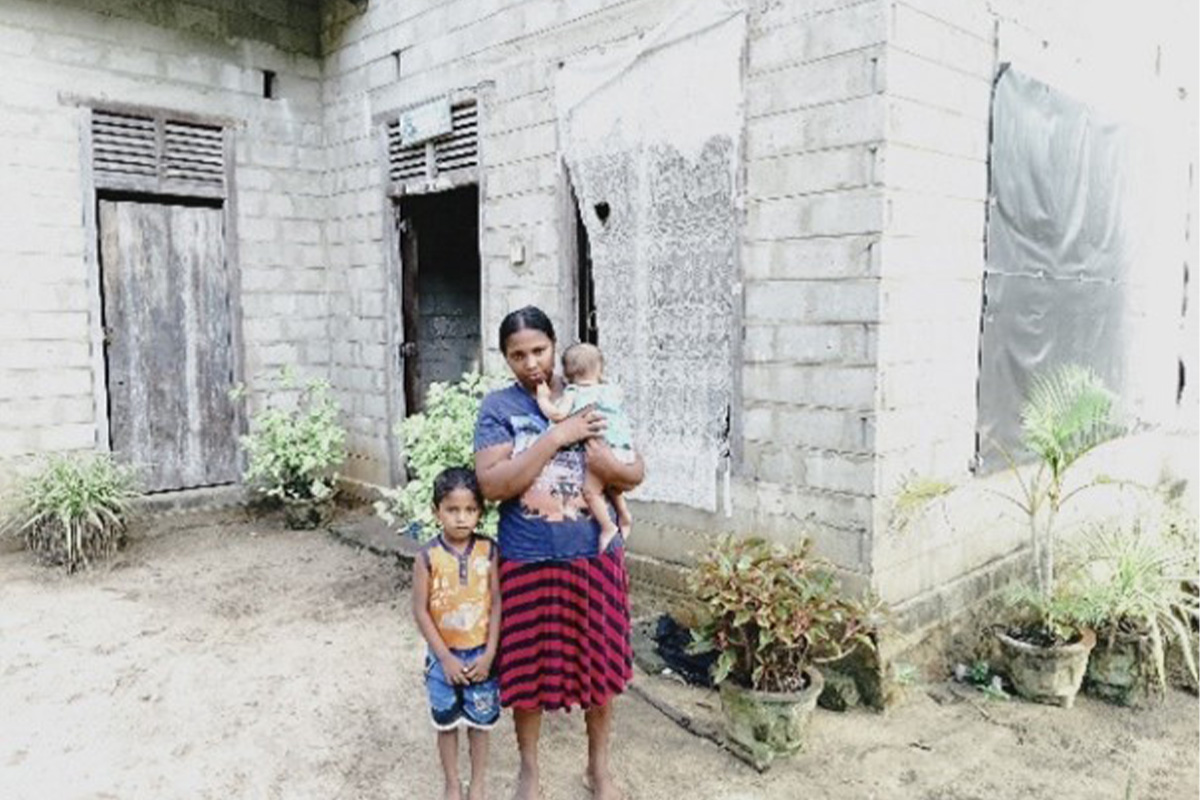
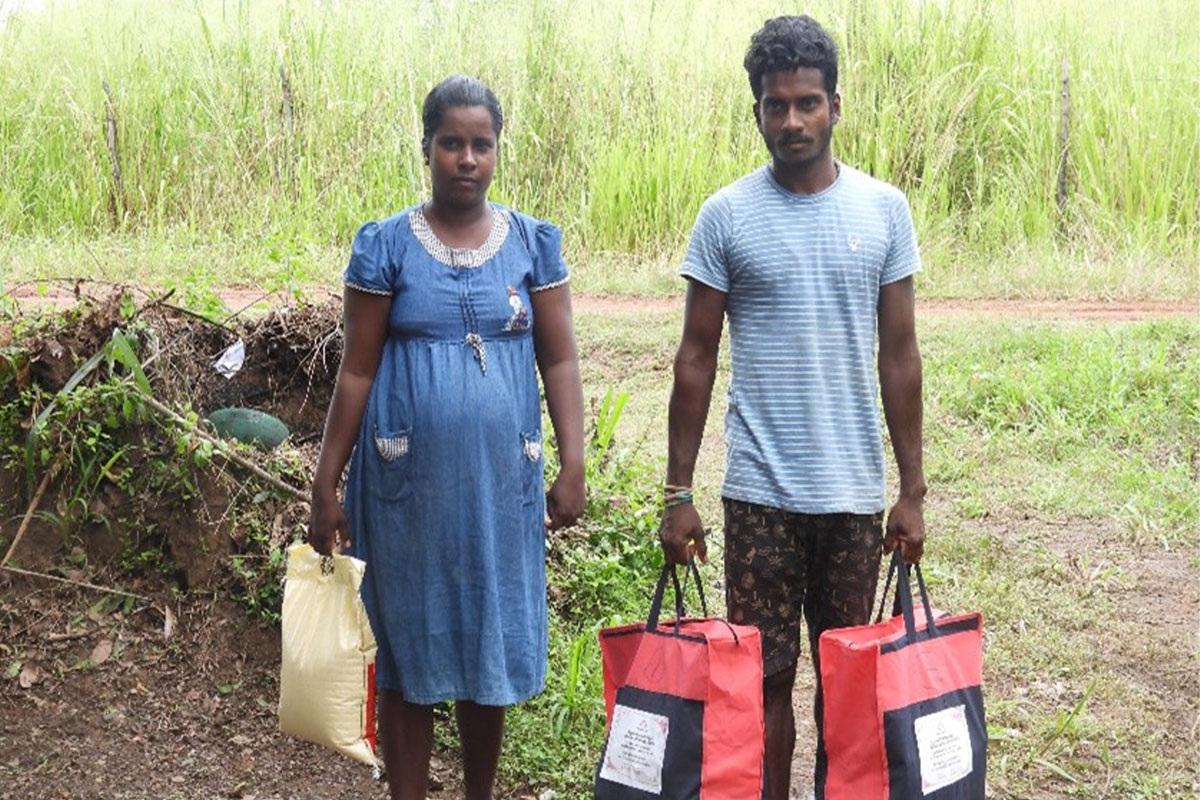
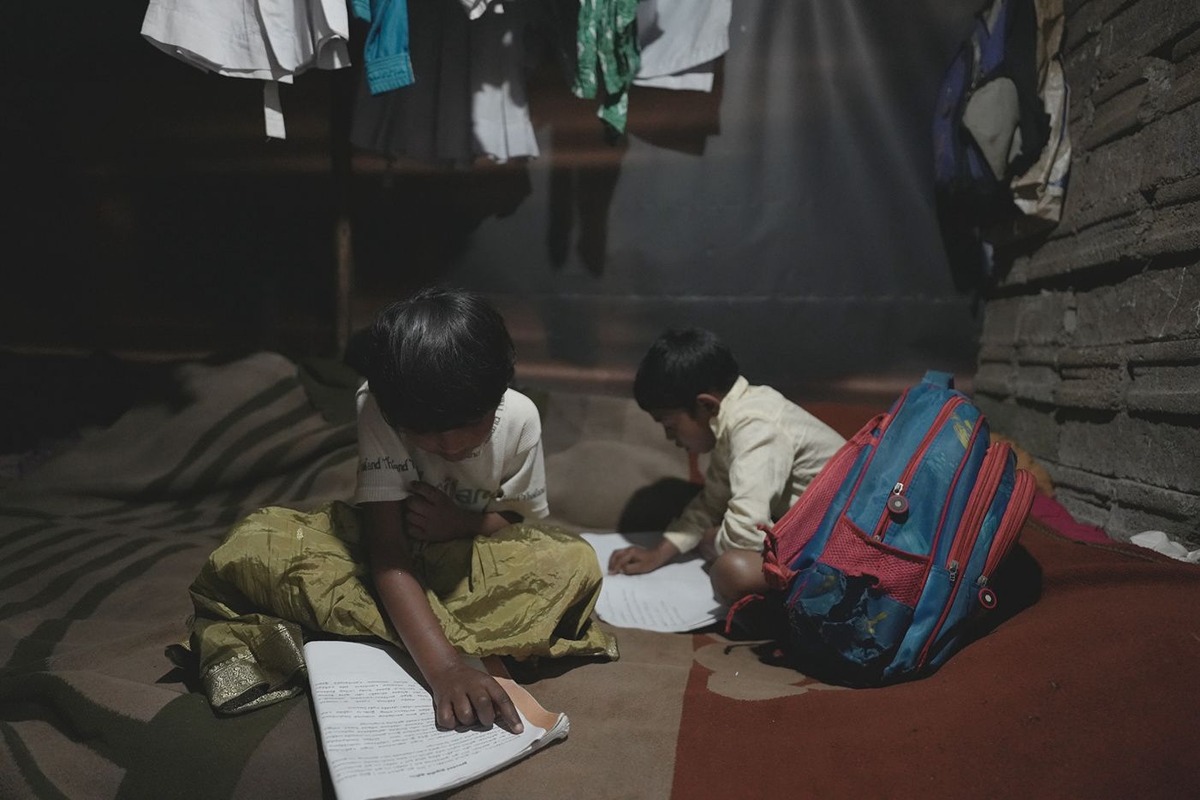
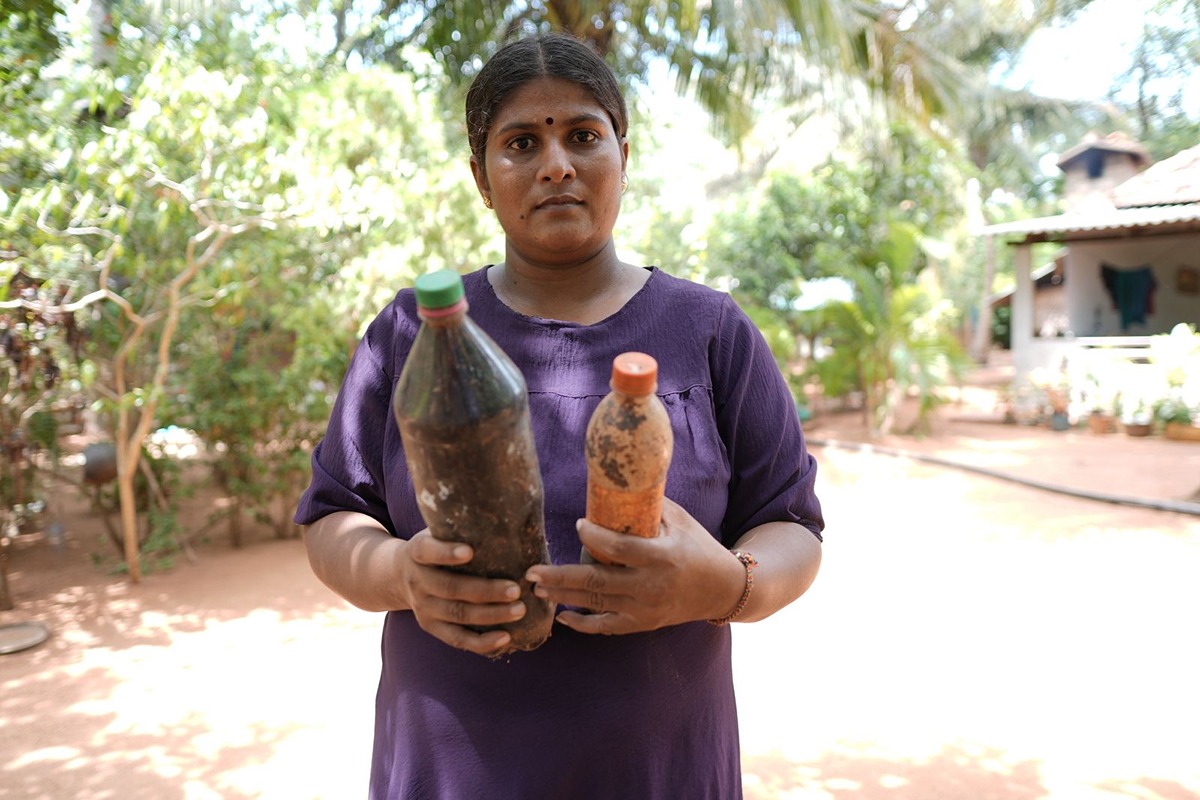
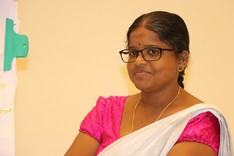
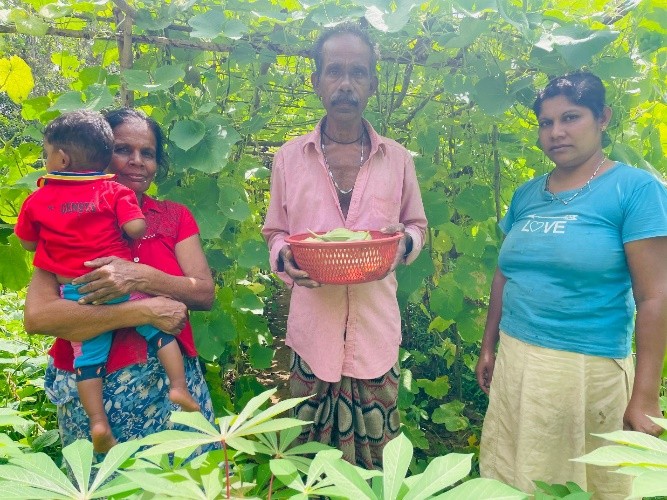
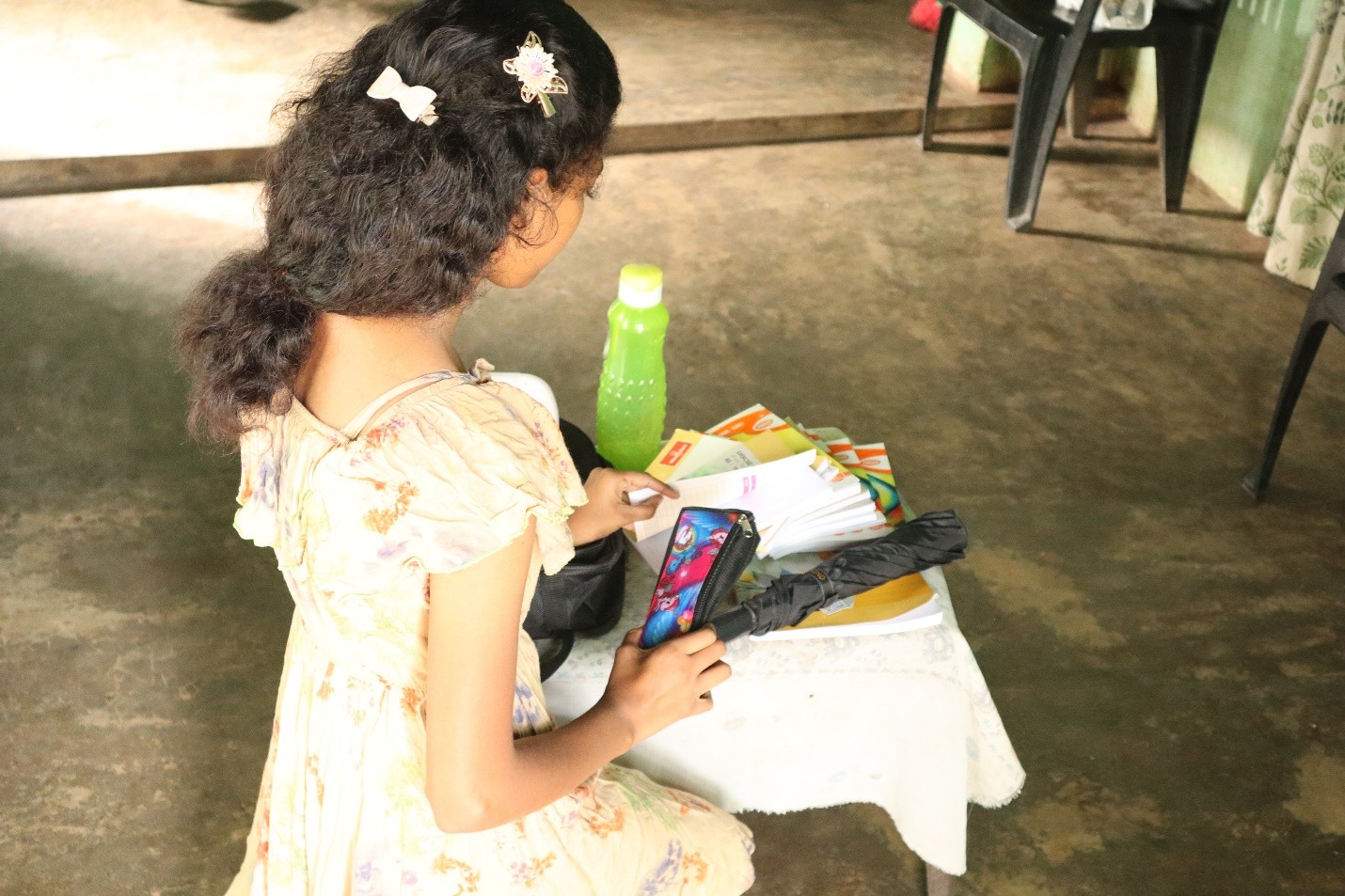
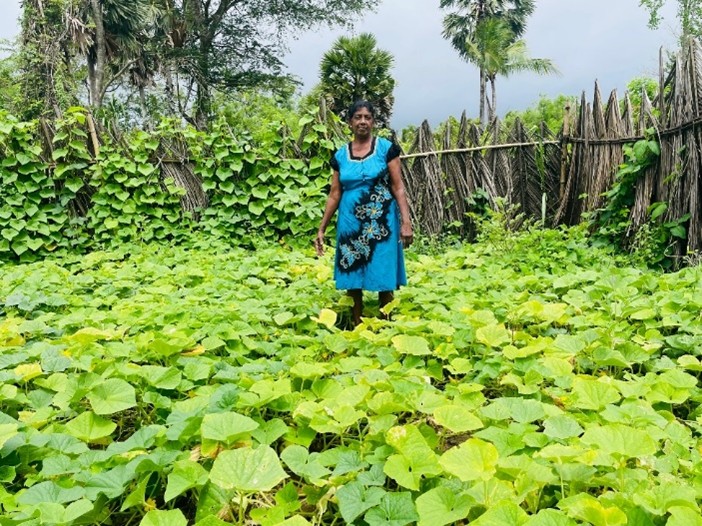
In the small village of Barankatuwa, Mundel in Puttalam, Ms. Iresha Dilrukshi, a 31-year-old mother of two, fights daily battles to secure a better future for her family. She takes her two sons, aged 10 and 8, to school on her bicycle and manages the household while her husband, Amila Sampath Perera, works as a daily wage laborer. His monthly income, roughly Rs. 15,000, is unpredictable, leaving them vulnerable, especially during the rainy season when work is scarce. Their struggles are magnified by the constant threat of wild animals intruding on their land, forcing Amila to stay close to home to protect them.
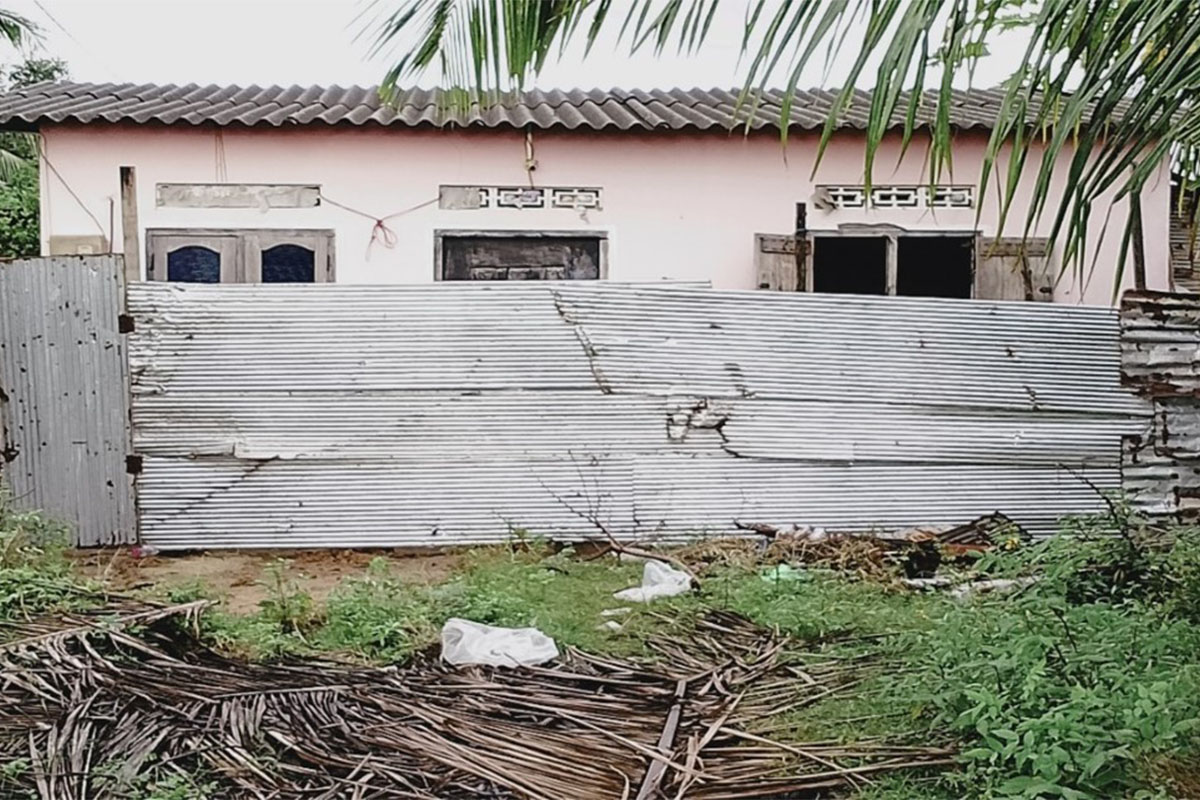
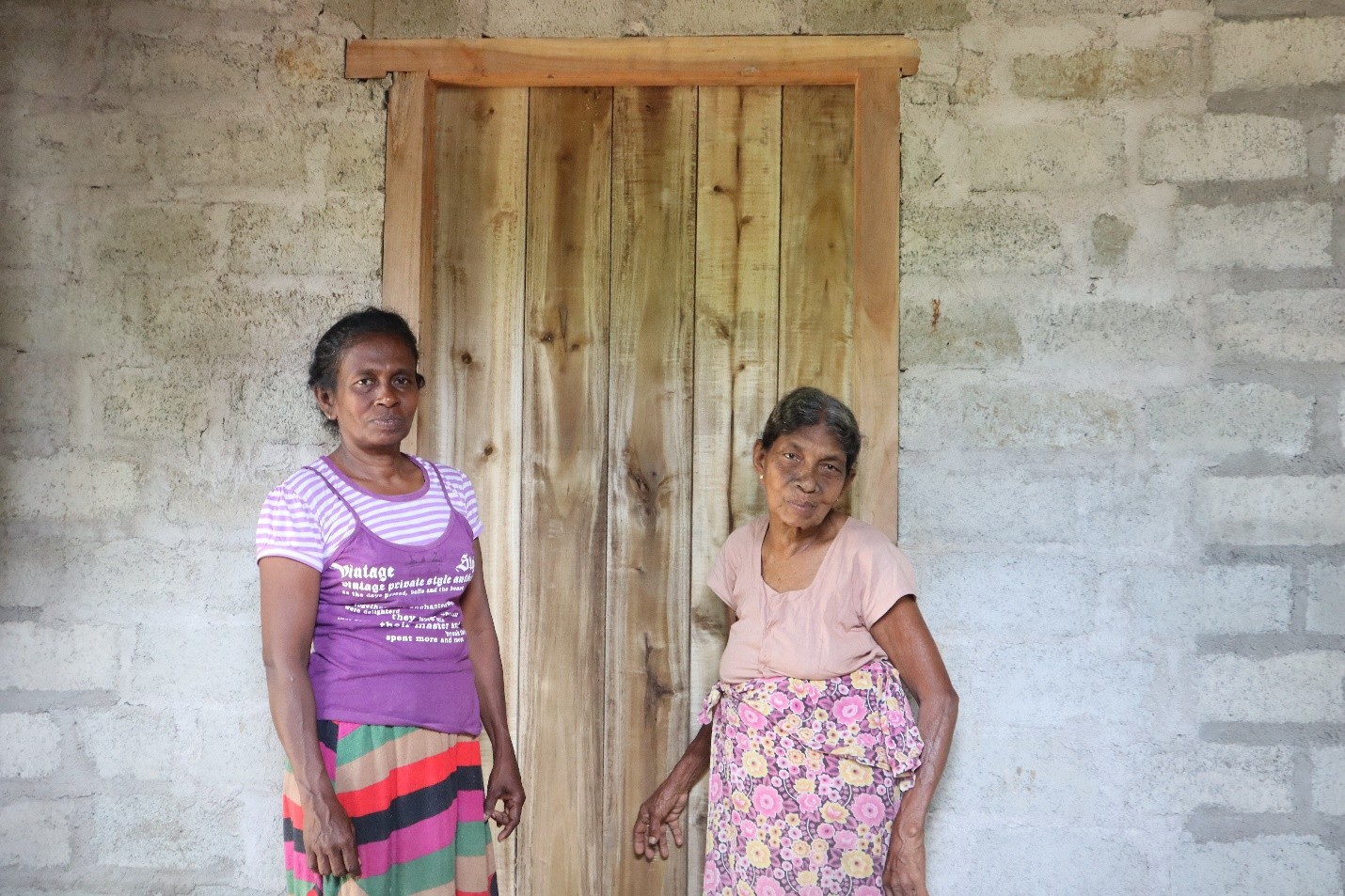
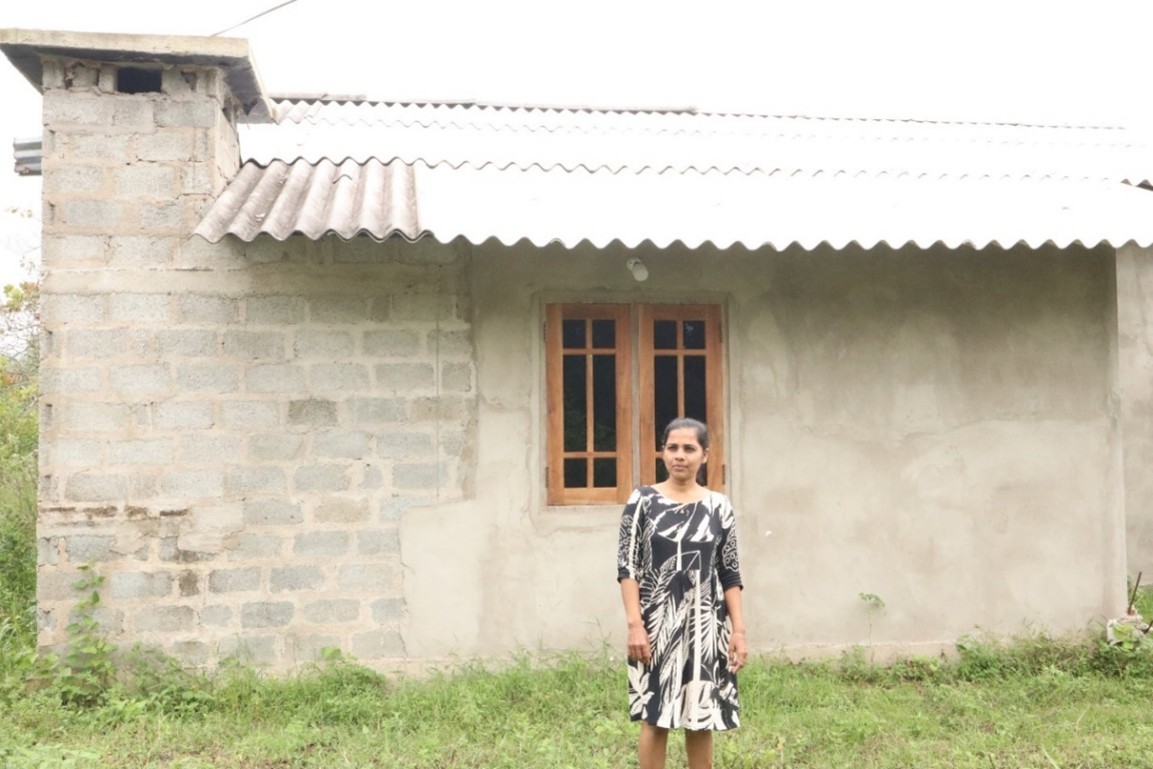
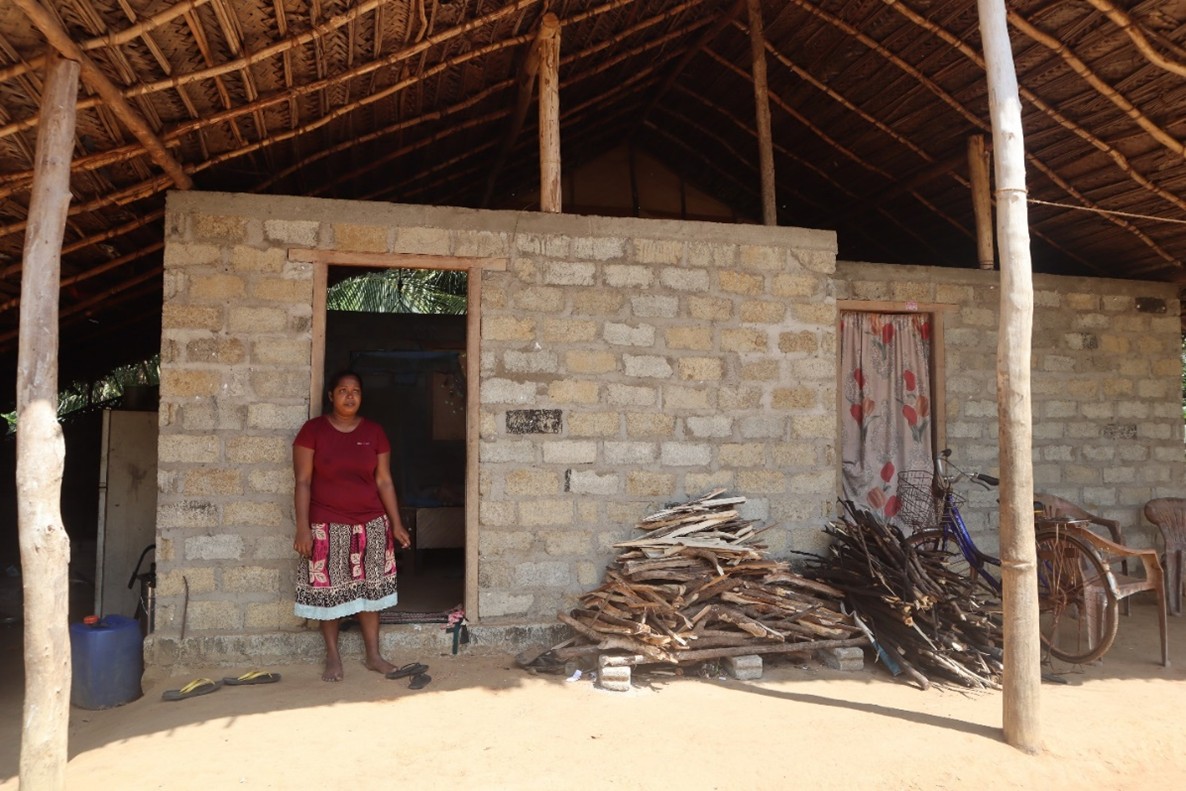
Their modest home, covered with sarees in place of doors and windows, tells the story of their hardships. But the biggest challenge they face is their youngest son’s severe wheezing condition, which demands frequent medical attention. The cost of an inhaler alone is Rs. 4,000 per week—an unavoidable expense that takes up a large portion of their income.
Relief came when
Iresha was selected for the Multipurpose Cash Grant Programme by Chrysalis
sponsored by the Global Buddhist Relief, receiving a Rs. 20,000 cash grant.
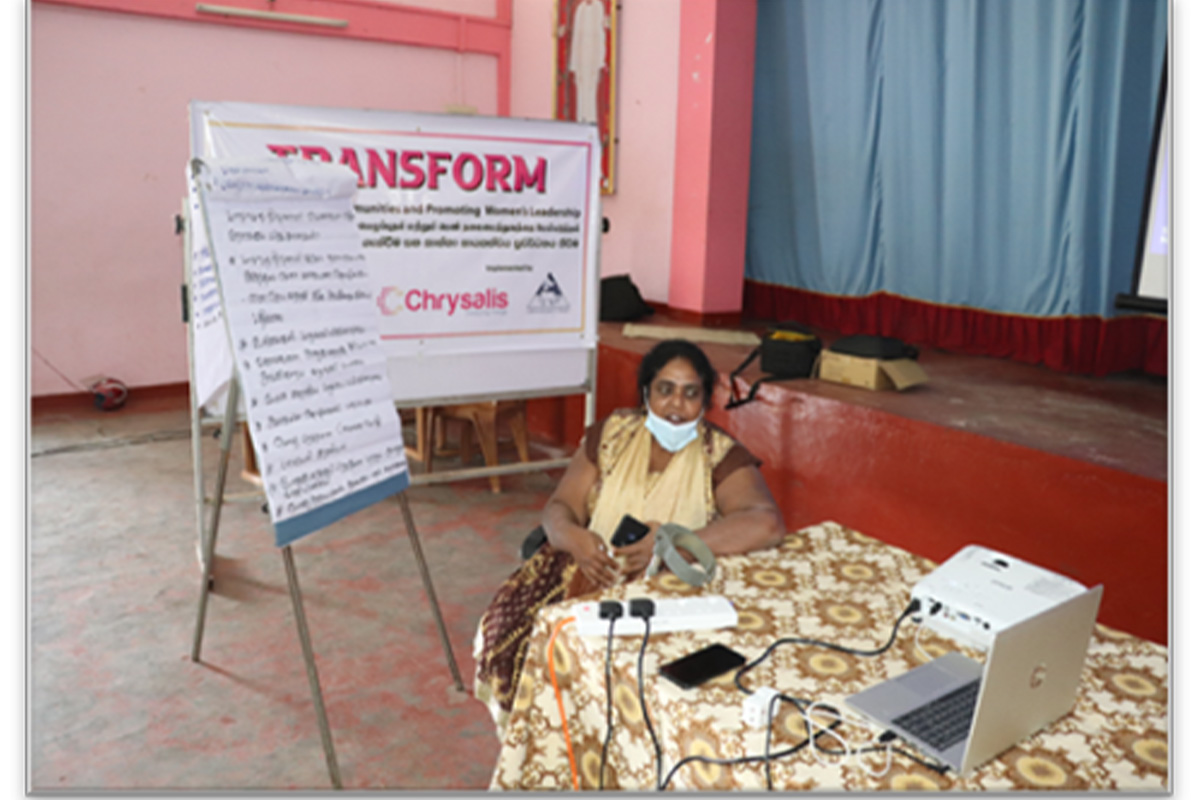
With support from Chrysalis, an organization dedicated to empowering women and
communities, she and her husband decided to invest in groundnut farming. However,
just as they started to believe in a better future, wild elephants destroyed
their crops, setting them back to square again.
Instead of giving up,
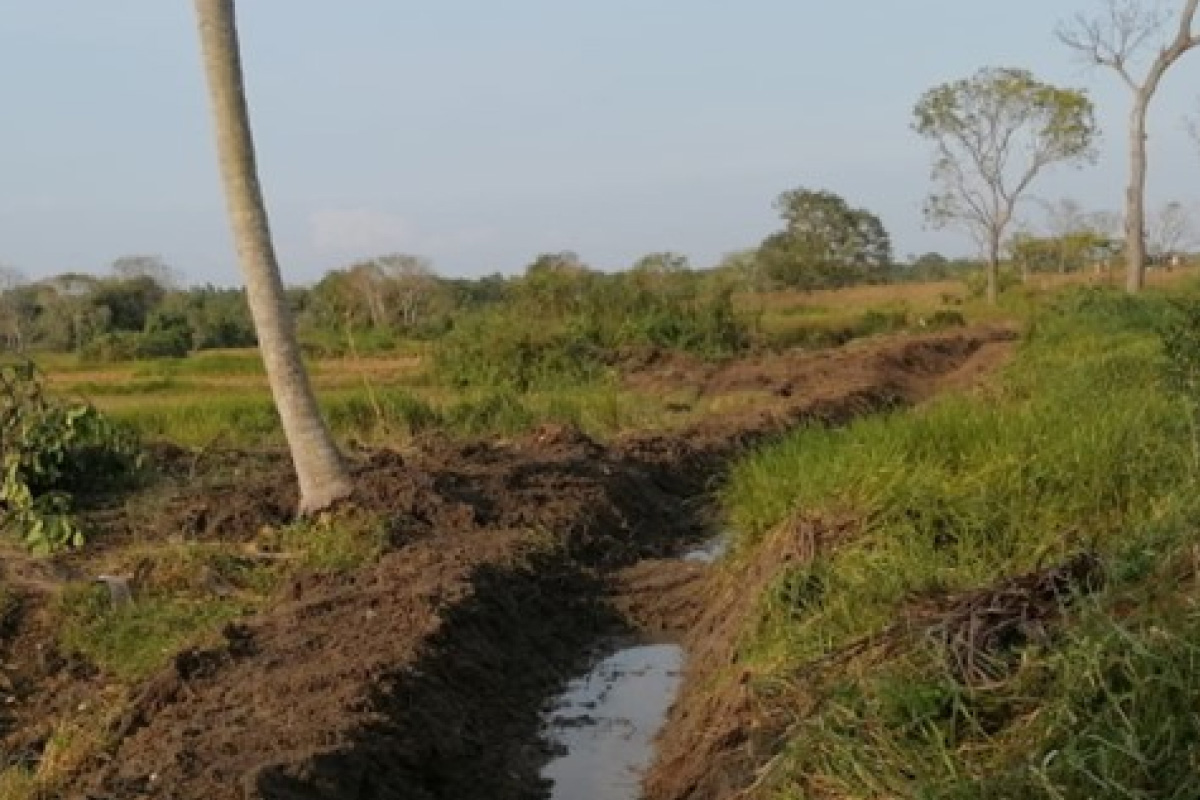
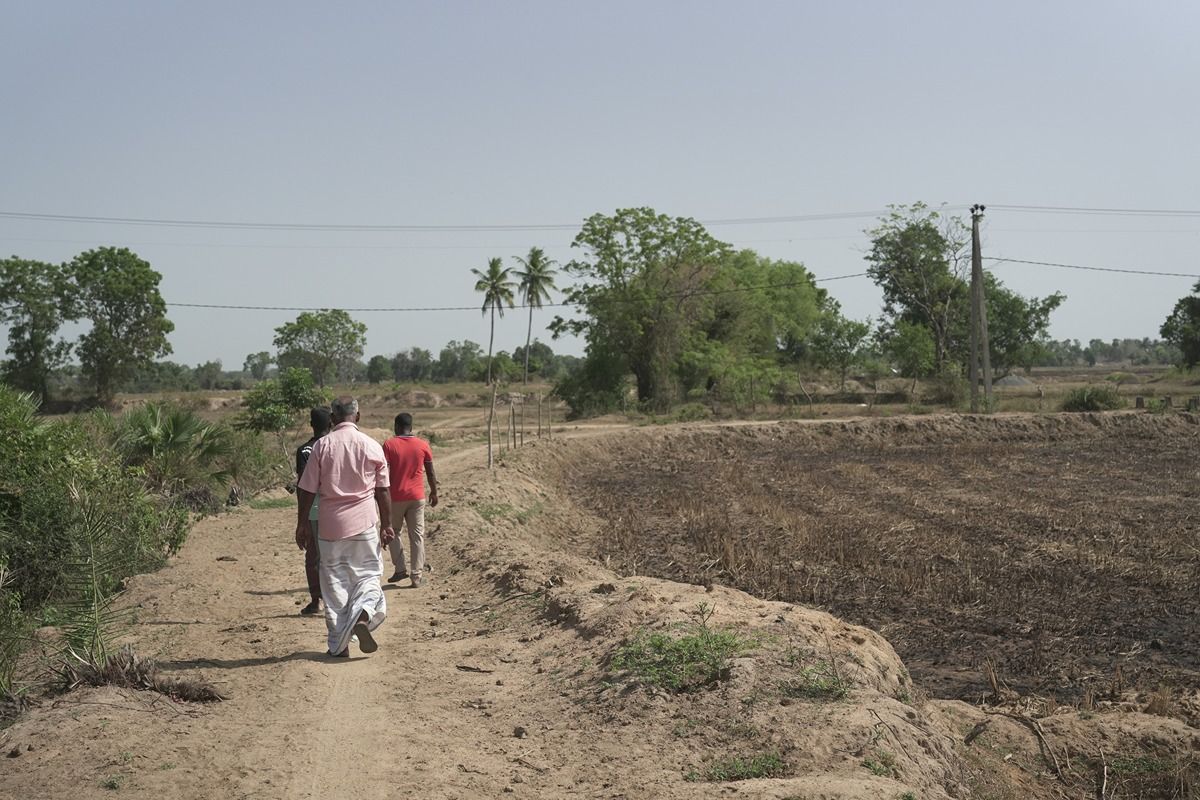
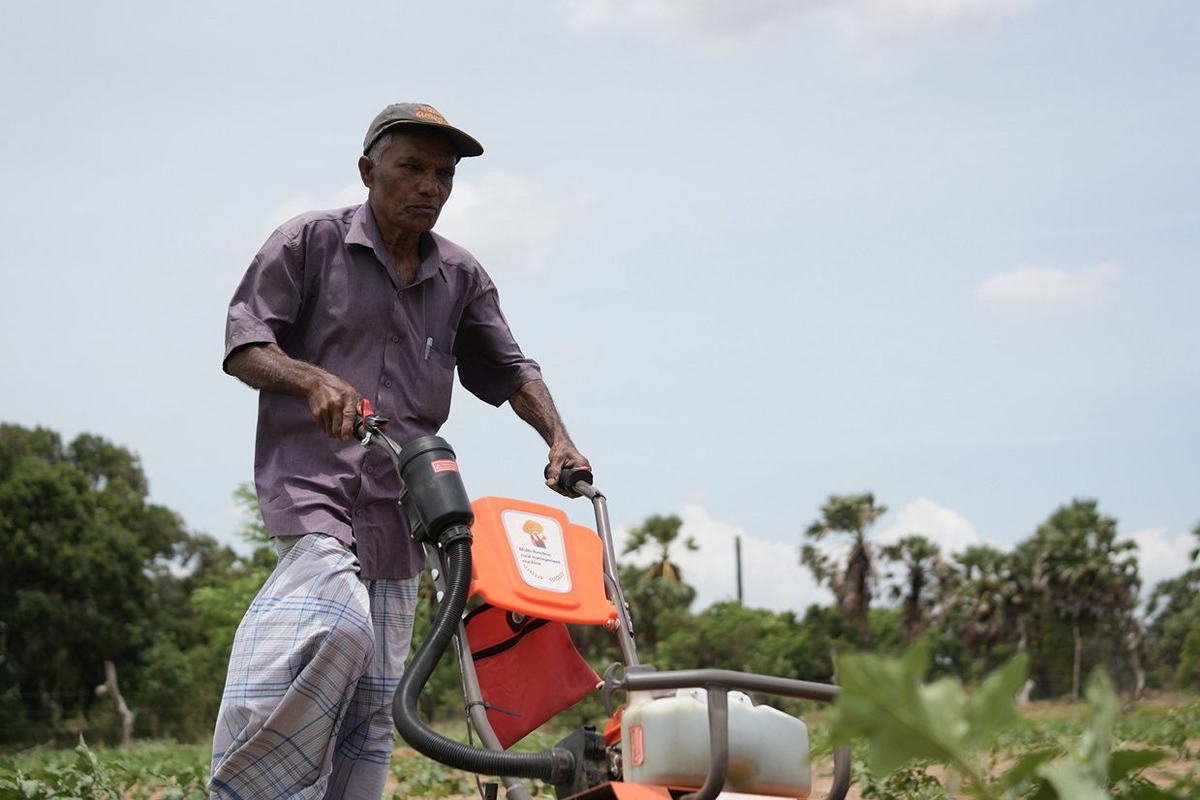
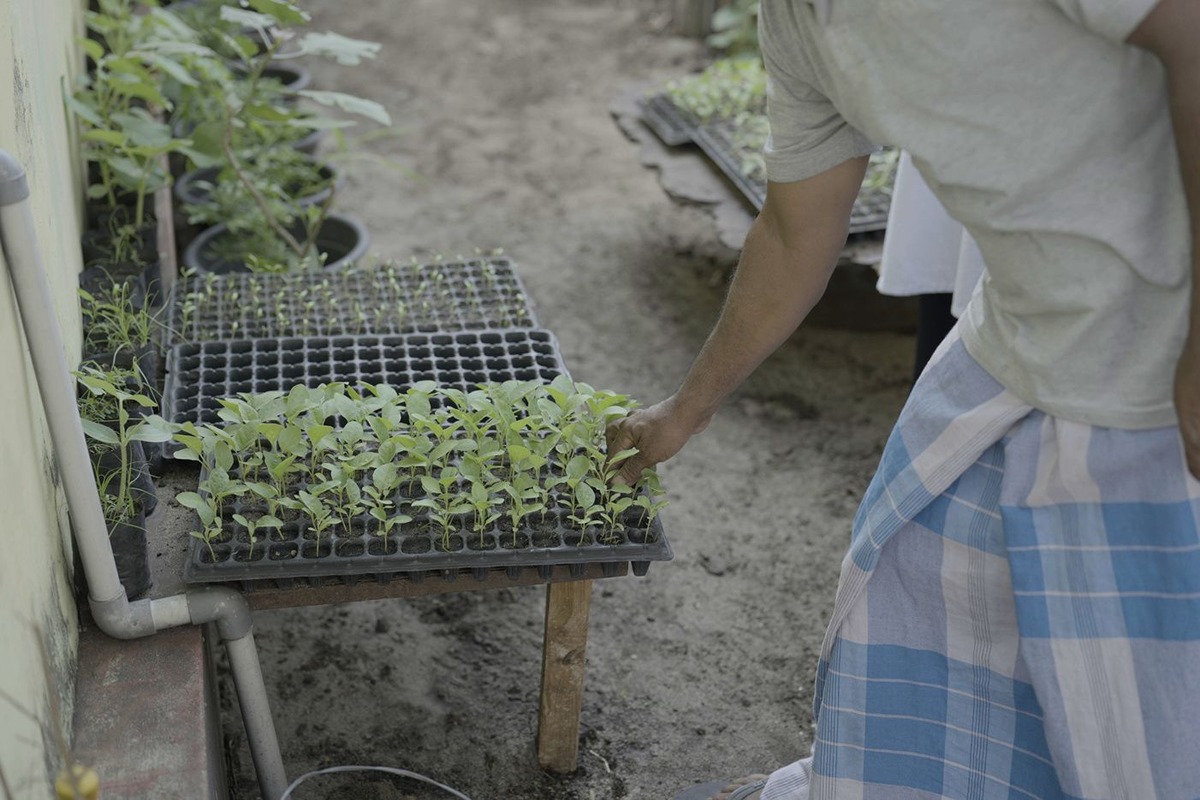
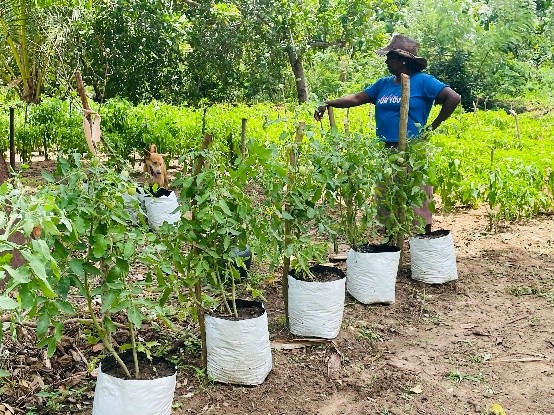
they decided to take a more calculated risk—cassava cultivation. Using part of
the grant, they purchased 80 cassava sticks at Rs. 100 each, knowing that each
stick could be cut into five pieces, allowing them to plant 400 cassava plants.
They also bought 15 bags of poultry manure to ensure better soil quality.
Unlike their previous attempt, this time they staggered the planting—some
cassava plants would mature in three months, others in six, and the rest in
twelve. This way, they would have a steady supply instead of a single harvest.
Their calculations
were simple but promising: each plant was expected to produce 5 kg of cassava,
meaning they could harvest 2,000 kg in total. With cassava selling at Rs. 200
per kg, their estimated earnings stood at Rs. 400,000—a transformation that
seemed unimaginable a few months ago.
Iresha speaks about this grant with deep gratitude. Beyond just survival, it has given them the ability to plan and build stability, something they never had before. It allowed them to afford their son’s medicine when they had no other means, and it restored their confidence that they could create a better life for their children.
Her next goal is to
fix her eldest son’s teeth, ensuring he gains confidence and isn’t bullied at
school. Meanwhile, she is already looking ahead—if cassava isn’t suitable for
the next season, she plans to try different crops that can keep their income
flowing. She understands that diversification is key to survival, preventing
pests from harming yields and securing future earnings.
Iresha’s story is one
of resilience, adaptability, and determination. She didn’t just accept her
struggles—she turned them into an opportunity. Through sheer perseverance and
the right support, she has laid the foundation for long-term financial
security, proving that even the hardest circumstances can be transformed with
the right mindset.
Other Case Studies
Discover how Chrysalis transforms challenges into impactful solutions through real-world projects that drive sustainable growth and meaningful change.