Birth Certificate Distribution as a Pathway to Entitlements: Civil Documentation Advocacy in Kilinochchi
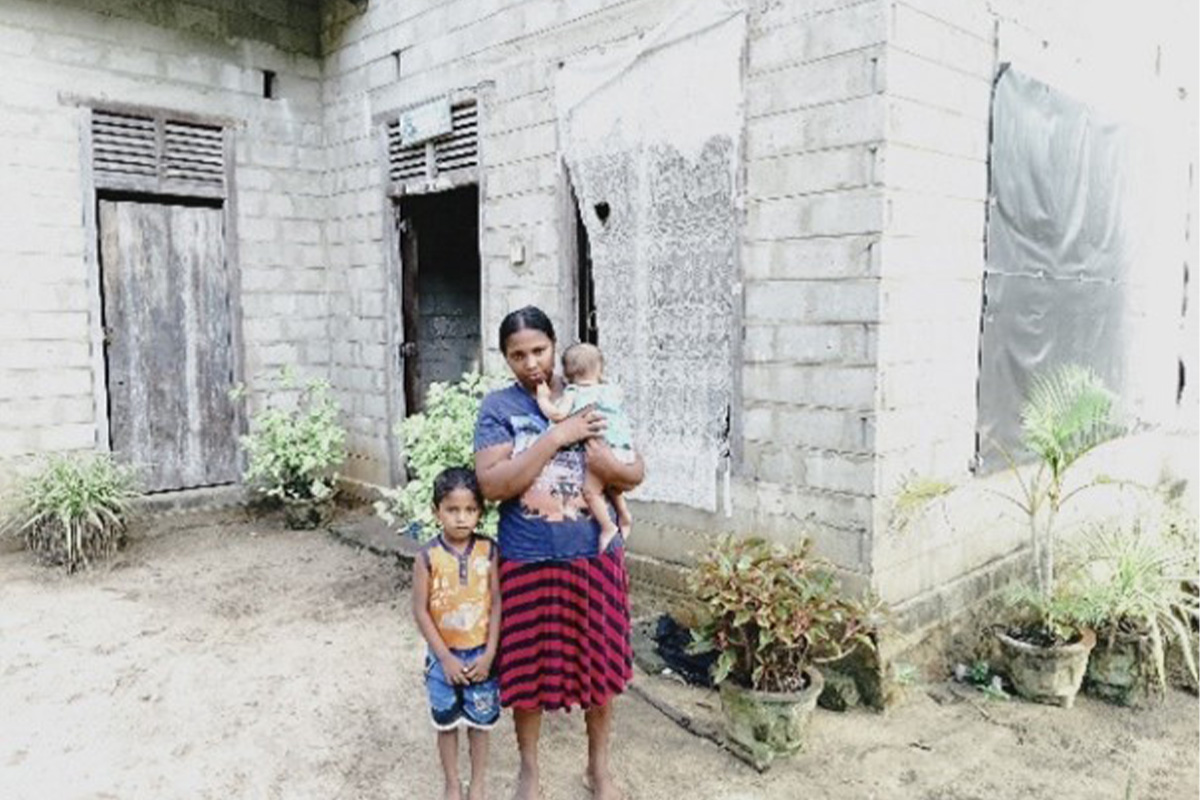
Across Sri Lanka’s post-conflict Northern Province, decades of civil war, displacement, and relocation have left thousands of families without basic civil documentation
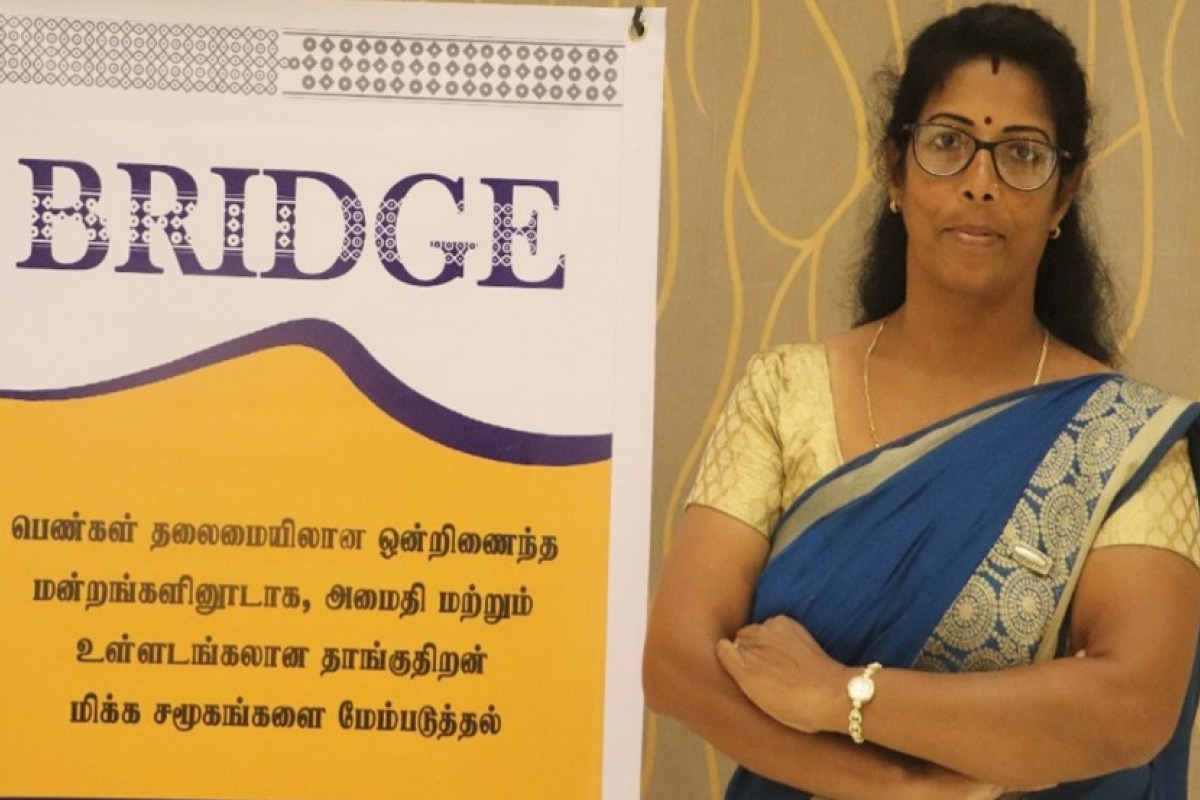
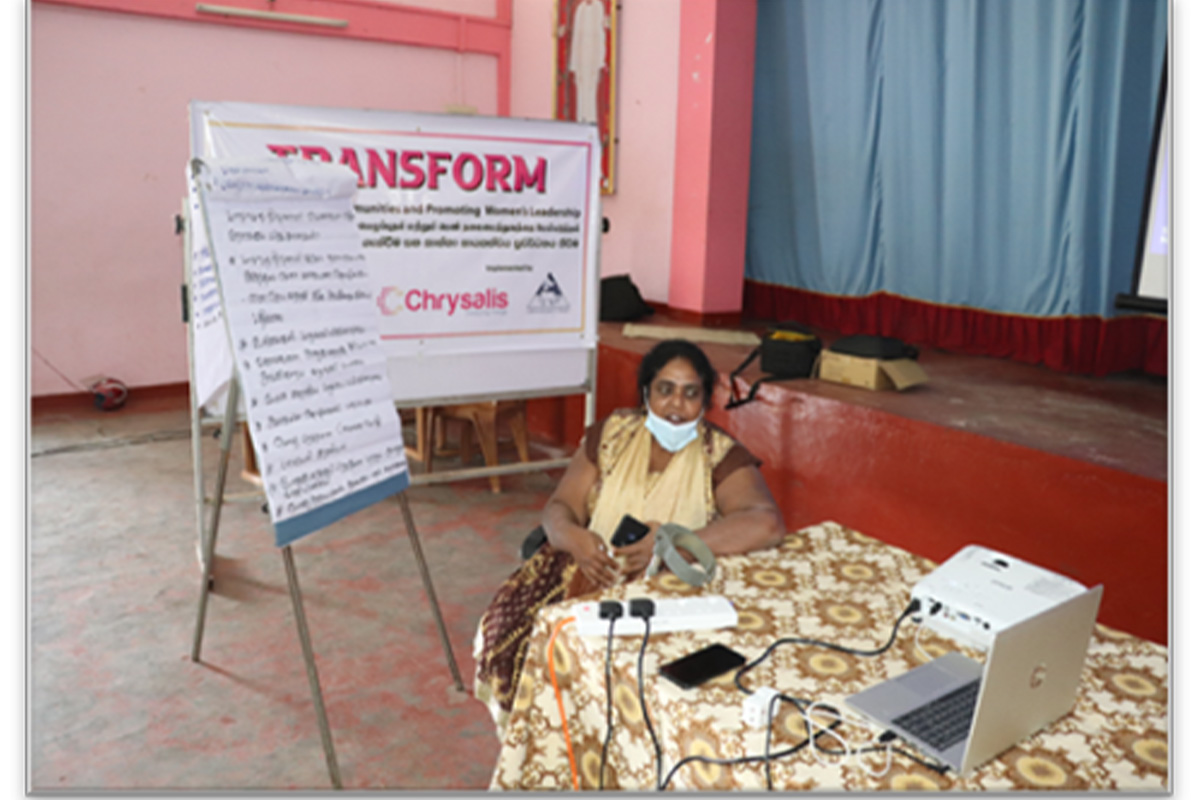
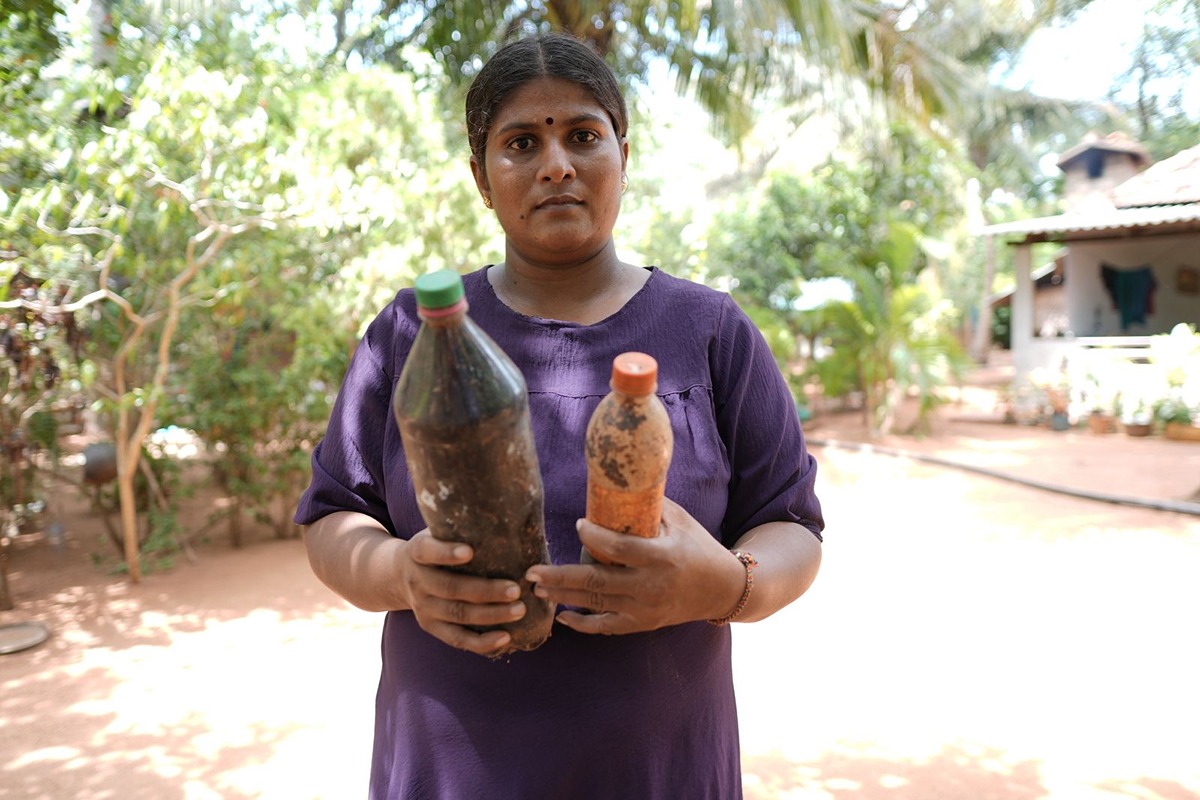
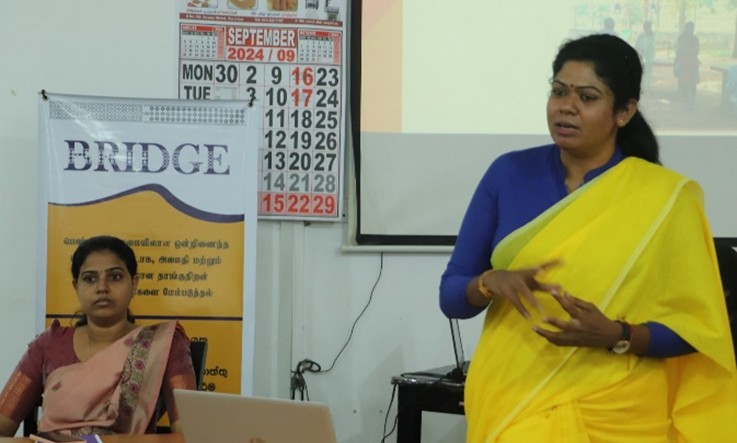
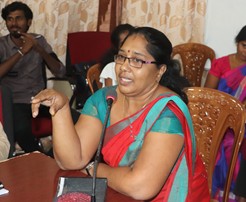
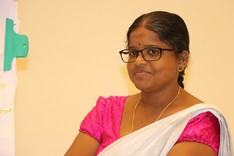
Thushanthini Sivarajah, 30, Secretary of the Kilinochchi District CSO Federation, spearheaded a multi-tiered advocacy campaign through Chrysalis and the BRIDGE Programme to eliminate civil documentation barriers and restore basic citizenship entitlements
The Challenge: Civil Documentation Gaps and Structural Barriers
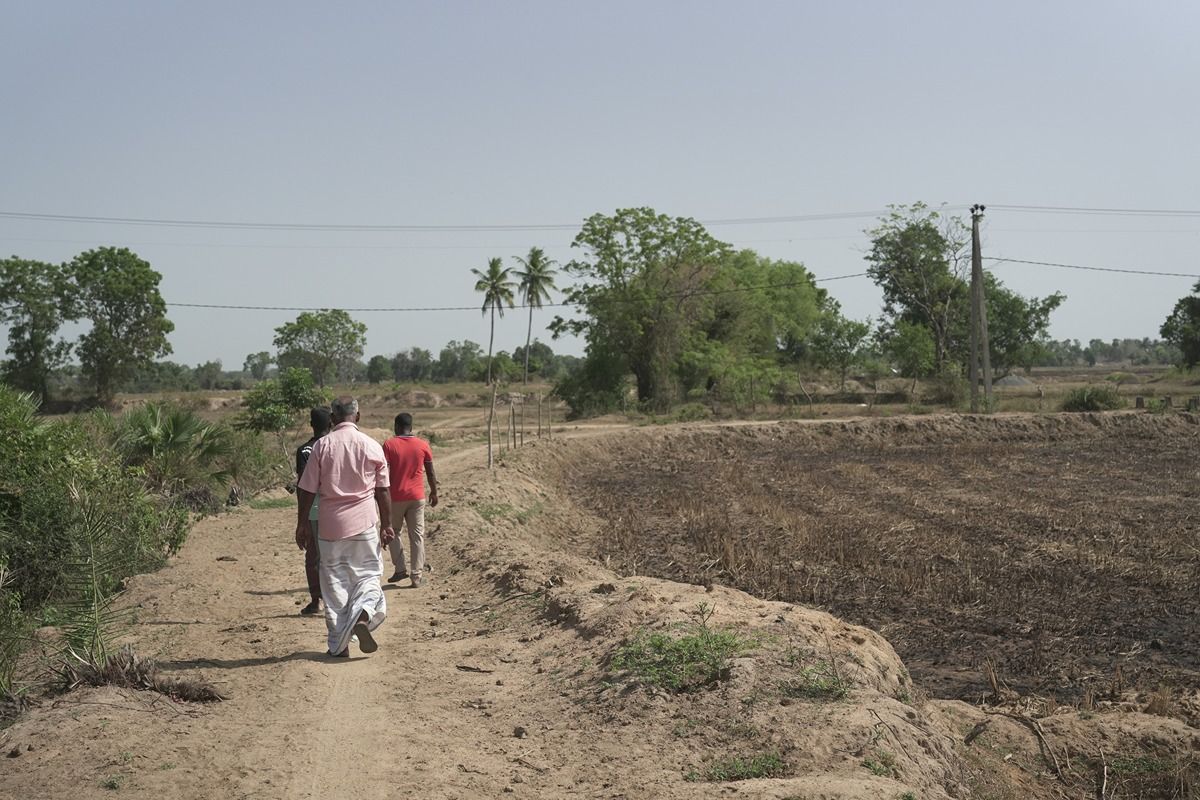
In Karaichi, the lack of civil registration documents affected hundreds of families across nine Grama Niladhari (GS) divisions
The Upcountry Theduthal Barrier: Families originally from upcountry regions faced complex administrative hurdles, such as the theduthal (register search/declaration) process
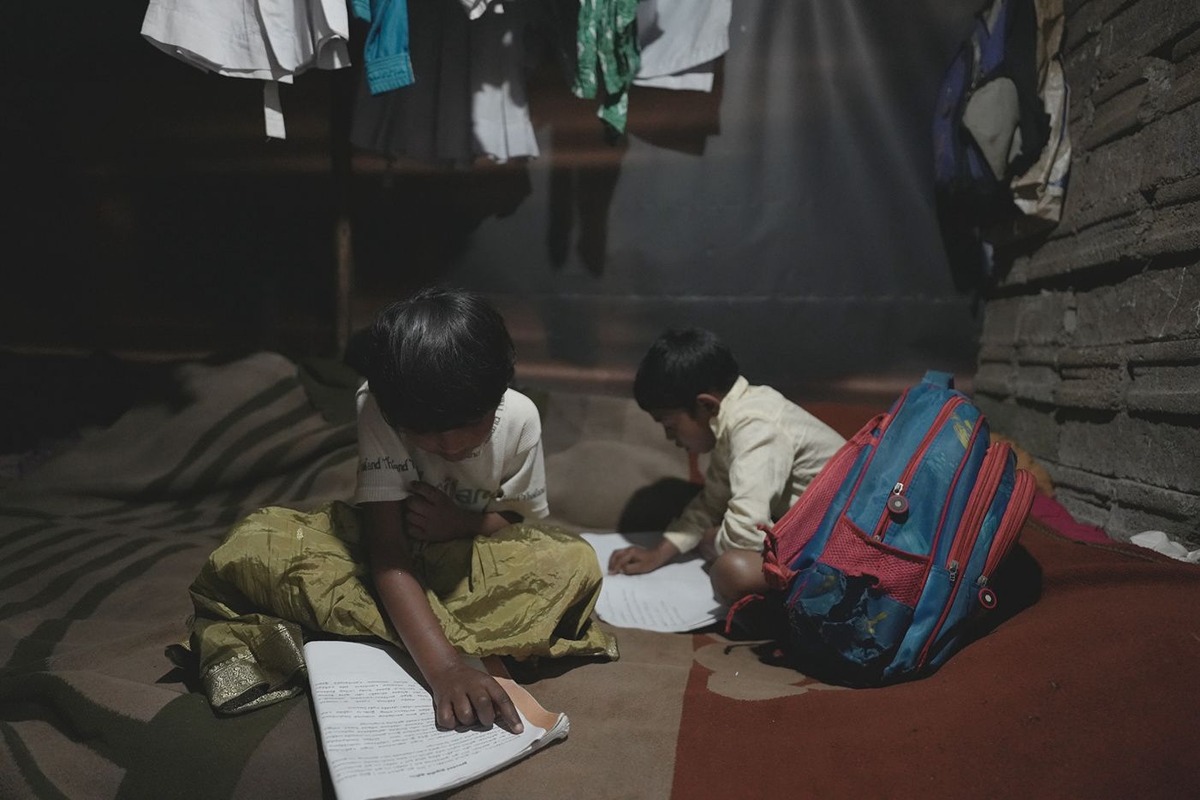
Exclusion from Welfare and Education: School students faced barriers in continuing their education, while vulnerable families were structurally excluded from state financial support under the Aswesuma welfare scheme
Information and Access Isolation: Many affected residents were unaware of how to resolve missing records or navigate government registry systems
Strategic Interventions: Evidence-Based Proposal, Mobile Services, and Multiplier Training
Working in partnership with FISD and supported by Chrysalis, Thushanthini turned a hidden administrative crisis into a coordinated district-level rights campaign
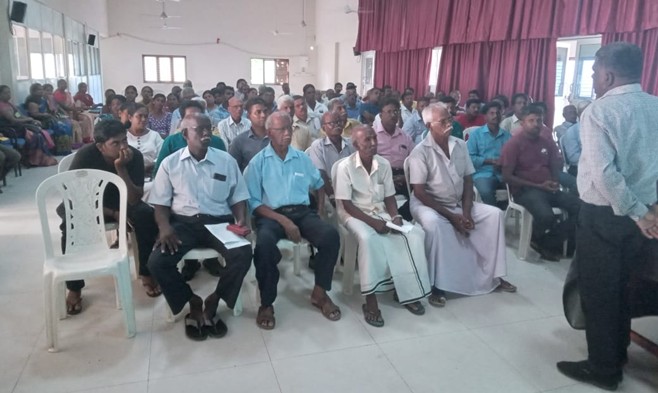
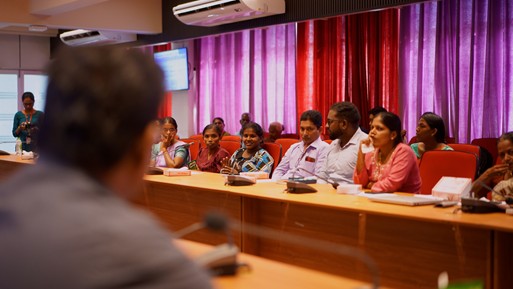
Evidence-Based Advocacy Proposal: Drafted and submitted a formal proposal on "Basic Documentation" to district authorities, drawing on data gathered during local town hall sessions
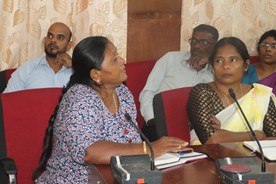
Three-Way State Partnership: Organized a landmark mobile birth certificate service on March 27 by partnering directly with the District Secretariat, the Karaichi Divisional Secretariat, and the Registrar General’s Department
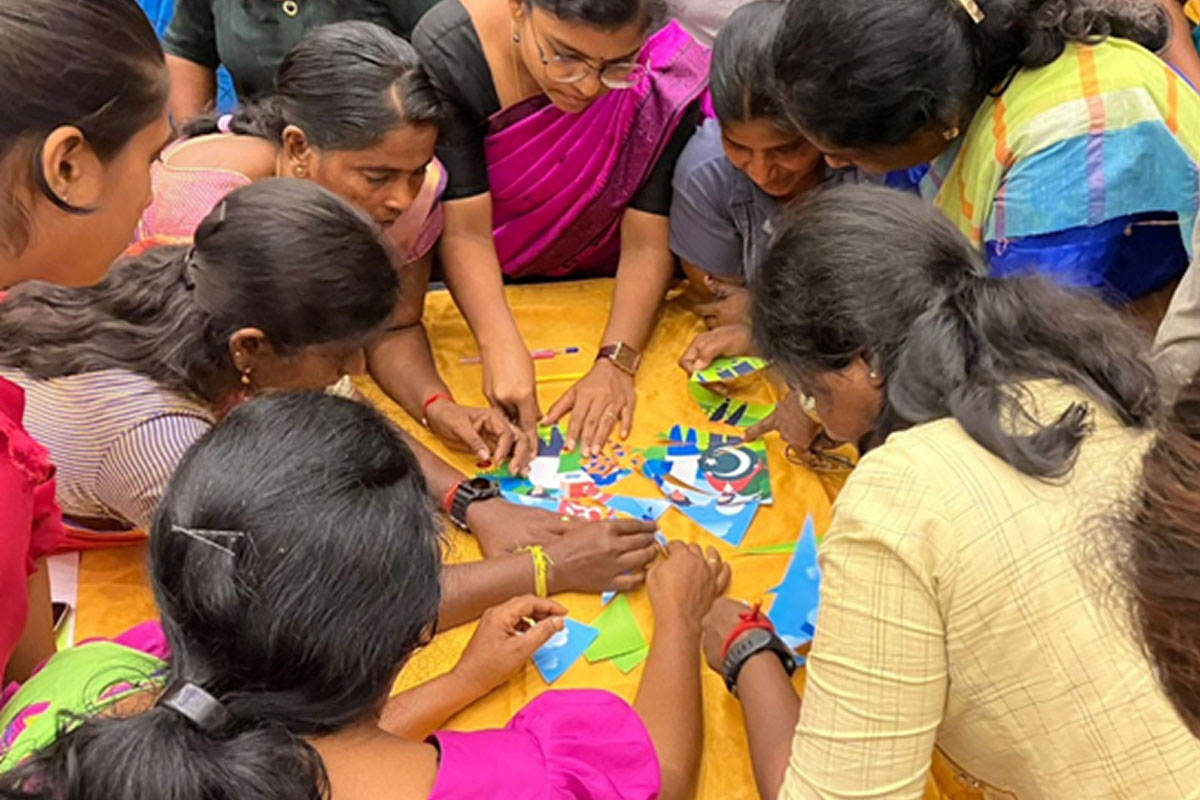
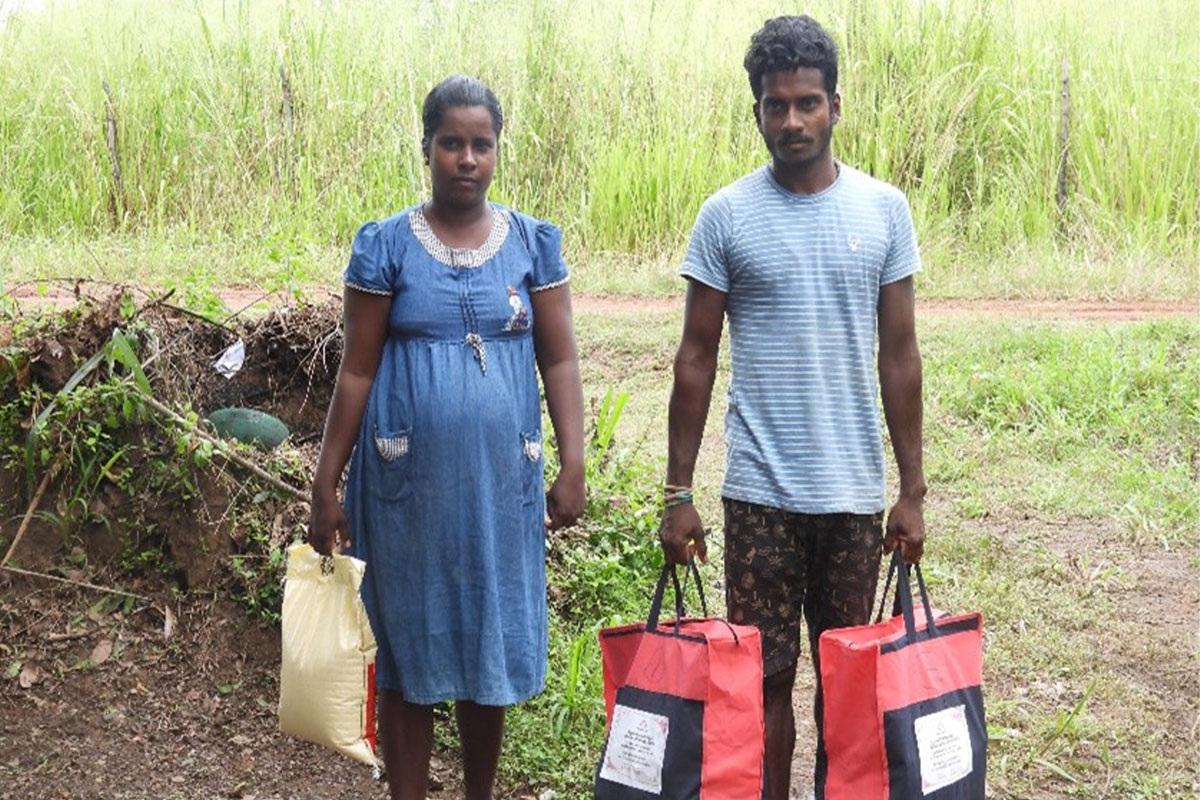
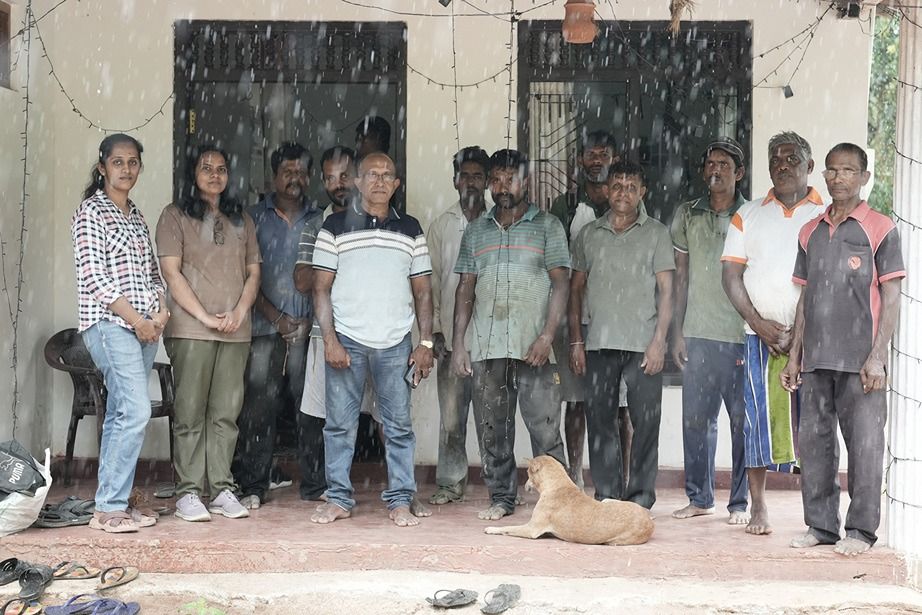
On-the-Ground Facilitation Across 9 GS Divisions: Mobilized community awareness and assisted 130 families across target villages—including Uruthirapuram, Selvanagar, Bharathipuram, and Konavil—to complete application searches
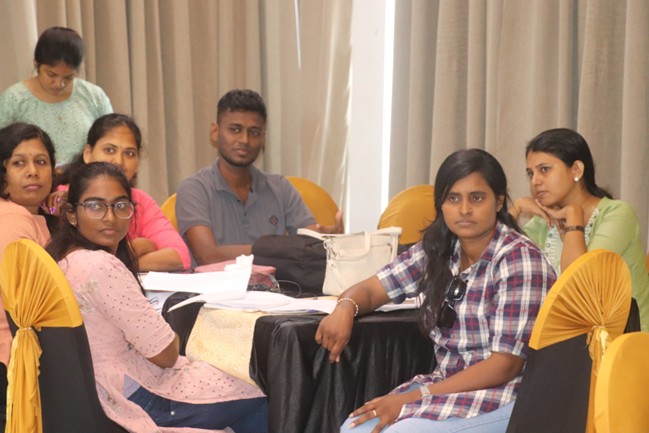
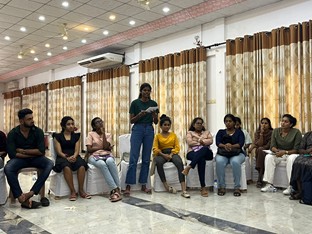
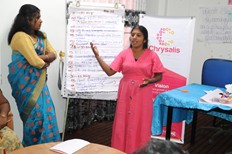
ICT Skills Multiplication: Functioned as a knowledge multiplier when five ICT-trained federation members shared digital documentation and advocacy skills with 64 women political leaders, activists, and human rights defenders
"Without basic documents, people cannot prove who they are. They cannot access banking, welfare, education, or justice. When we brought these issues to the town hall and worked with the government to organise the mobile service, we saw what advocacy can do: sixty families received certificates that day, and their lives changed. That is what fair access to services means in practice."
— Thushanthini Sivarajah, Secretary, Kilinochchi District CSO Federation
Measurable Results: Unlocking State Entitlements for 130 Families
Thushanthini’s campaign delivered immediate, life-changing administrative outcomes:
Direct Document Delivery: Issued 60 birth certificates and NICs during the initial mobile service round (42 issued directly and 18 confirmed), with an additional 70 pending applications slated for distribution at the next town hall
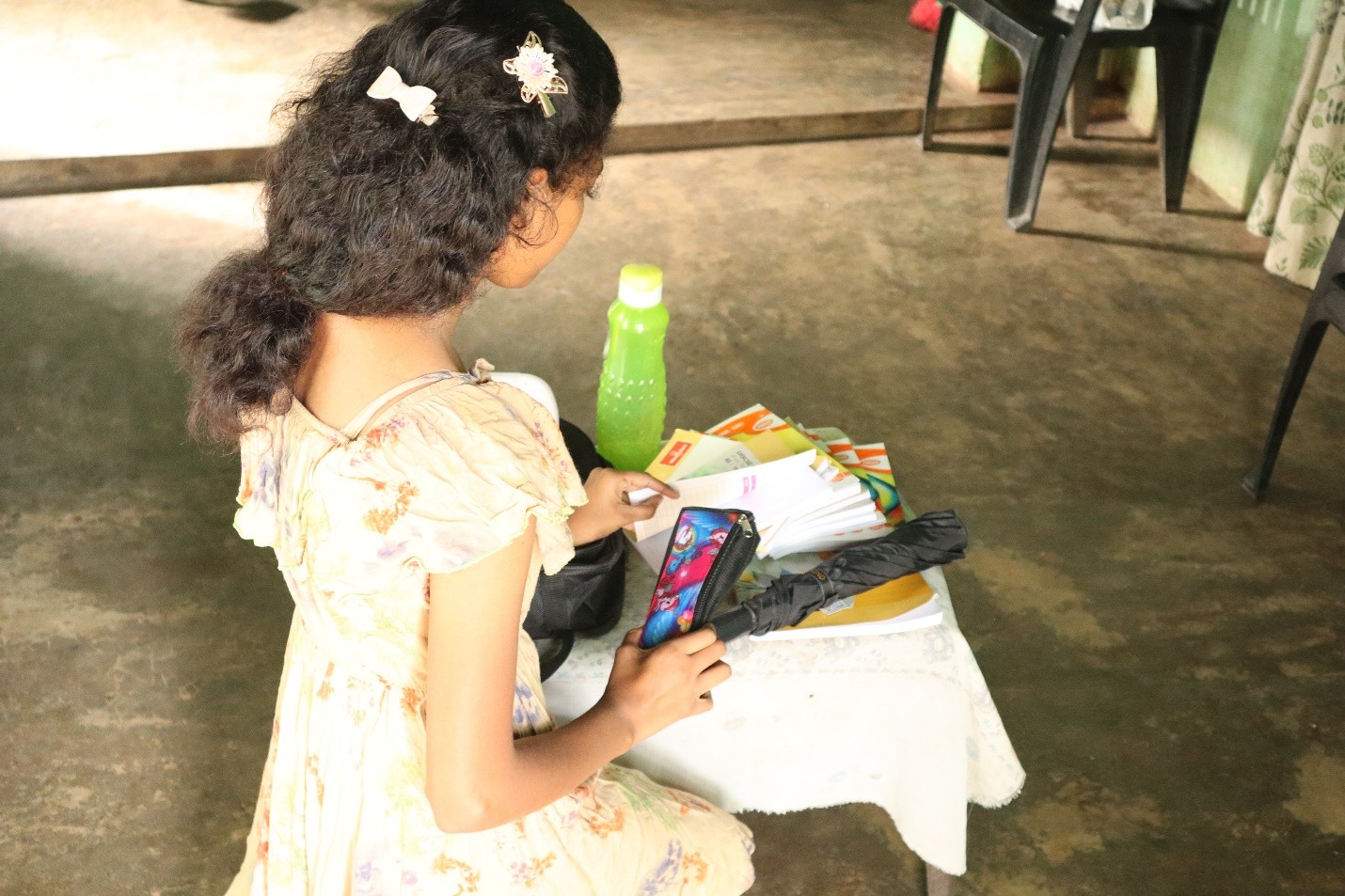
Educational Access Restored: Secured birth certificates for 20 students, enabling them to register for national exams and remain in formal education
Aswesuma and Financial Access: Enabled newly documented families to qualify for state Aswesuma financial welfare payments, open bank accounts, and apply for micro-loans
High-Impact Town Hall Resolution: Contributed to a 97% overall decision-achievement rate across eight district town hall sessions, including a 100% resolution rate on local council issues during the March 2026 town hall session
Looking Ahead: Grounding Governance in Citizen Entitlements
Thushanthini’s campaign proves that civil documentation is the foundational gateway to all civic and economic rights
Other Case Studies
Discover how Chrysalis transforms challenges into impactful solutions through real-world projects that drive sustainable growth and meaningful change.