From Training to Practice: How Karaveddy Pradeshiya Sabha Institutionalized Town Hall Governance for Accountable Budgeting and Public Service
In local government administration, bridging the gap between public expectations and municipal action remains a critical challenge
The Challenge: Disconnected Complaints and Unheard Priorities
Historically, citizens in local authority jurisdictions voiced their concerns through fragmented channels—ad-hoc visits, letters, phone calls, or political intermediaries
While Mr. Kamshanathan was personally committed to transparent governance, he faced two primary hurdles: the lack of a practical framework to systematically gather citizen feedback for budget planning, and a personal hesitation to share strategic ideas among peer government officials
Strategic Support from the BRIDGE Project: Reframing Governance
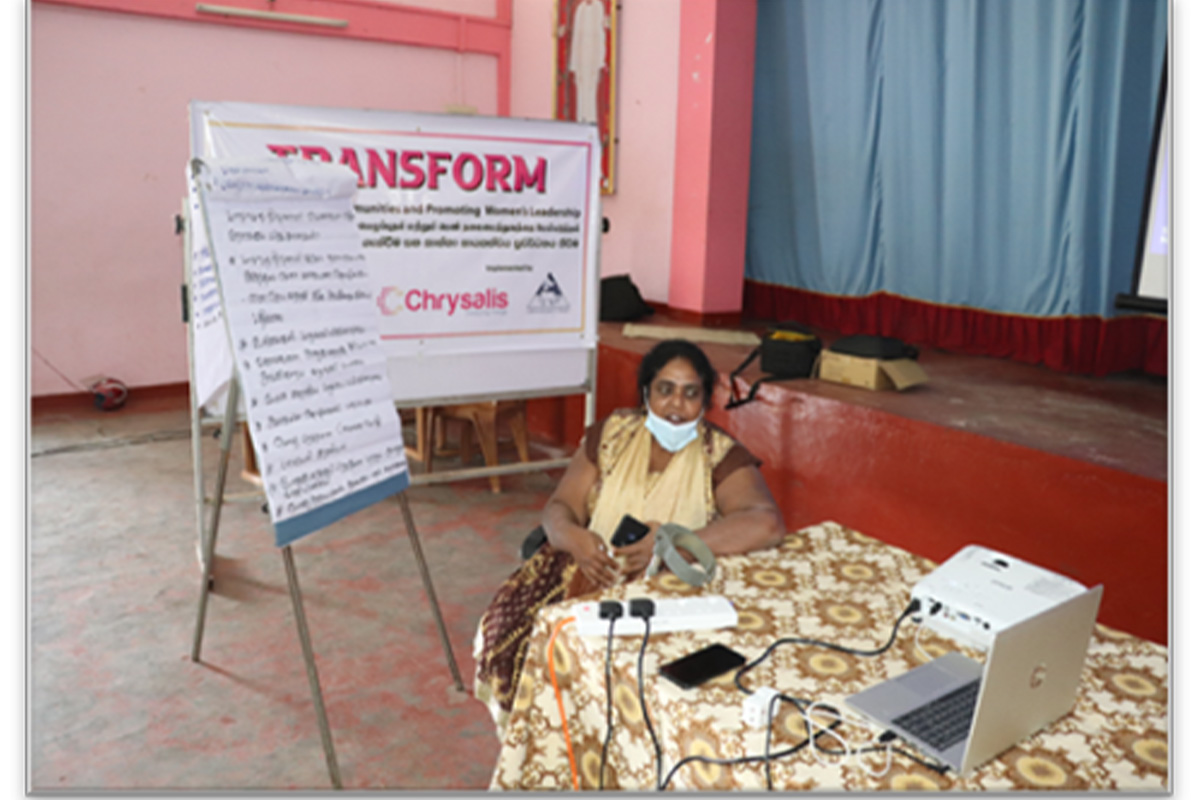
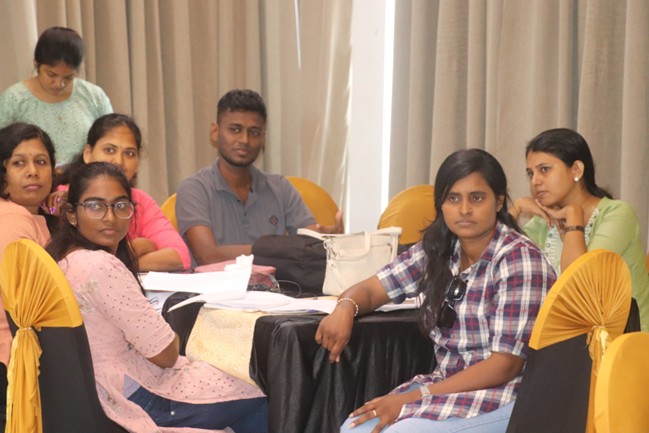
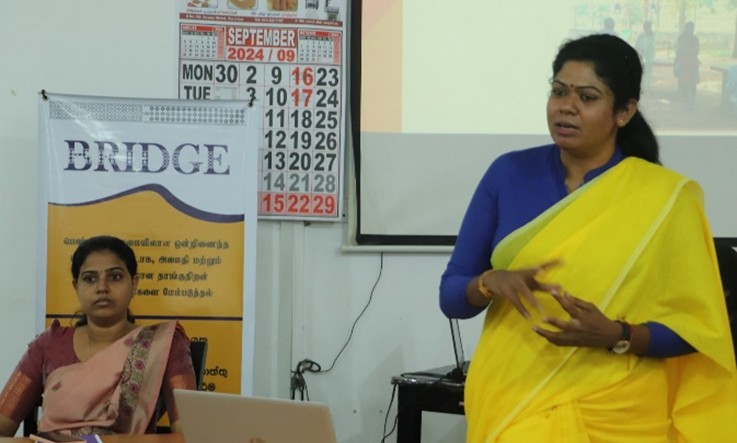
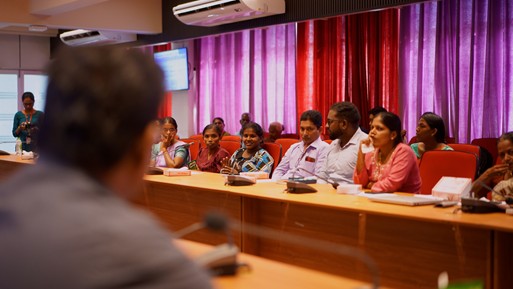
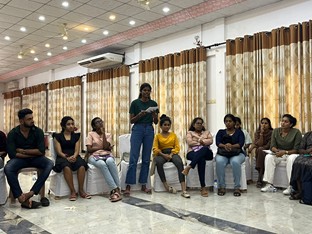
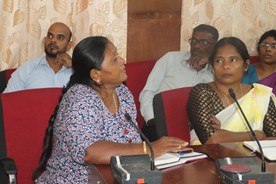
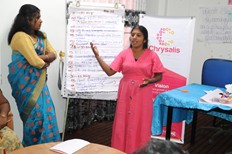
The catalyst for change came through the "Training for Capacity Development to State Officials on Town Hall Meeting Engagement," delivered by Chrysalis under the BRIDGE Project
The program provided a clear, practical roadmap for bottom-up administration: teaching officials how to listen, record, prioritize, respond, and report back to communities effectively
"I used to feel reluctant to share my ideas with colleagues at the same level of government. Now I feel confident communicating across different levels of governance and committed to promoting public involvement in government decision-making."
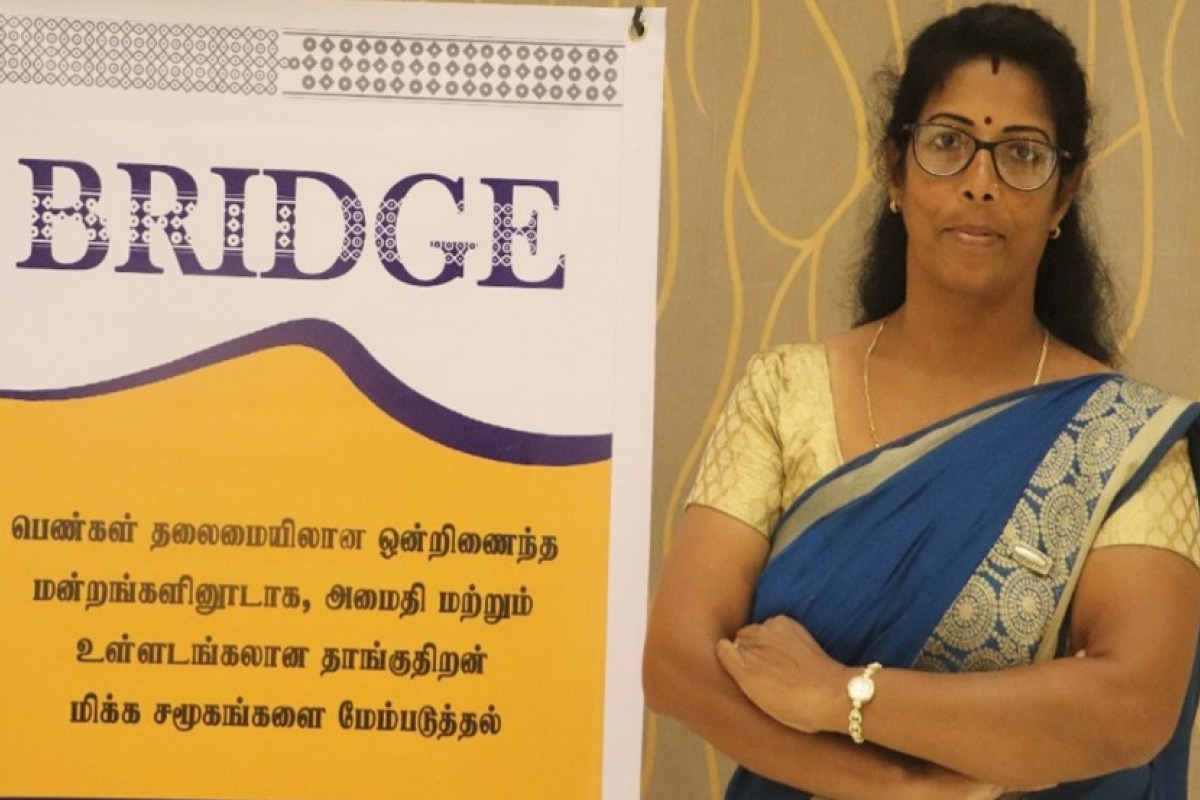
— Mr. Kanesan Kamshanathan, Secretary, Karaveddy Pradeshiya Sabha
Transforming Practice into Institutional Infrastructure
Rather than limiting the practice to a single department or relying solely on his personal oversight, Mr. Kamshanathan systematically embedded the Town Hall model throughout the Pradeshiya Sabha's operations
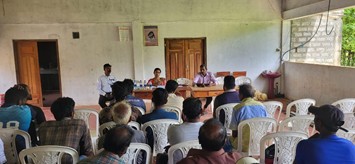
Wide Community Reach: Expanded the Town Hall approach across 19 zones, providing a direct, accessible route for citizens to bring forward local concerns
Budgetary Integration: Directly linked community feedback gathered during Town Hall sessions to annual municipal budget planning, ensuring local resource allocation is backed by grassroots evidence
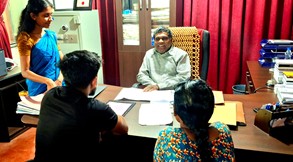
Multi-Channel Complaint Management: Diversified public access channels—allowing grievances to be lodged via phone, mobile applications, email, post, print media, and direct visits
Quarterly Accountability Records: Introduced systematic quarterly complaint logging to categorize grievance types and track corresponding municipal service responses, establishing clear institutional accountability
Internal Capacity Building & Sustainability: Oriented internal staff on Town Hall methodologies so the practice is institutionally sustained, while formulating plans to train newly elected councillors following upcoming local council elections
Impact and Key Learnings
The success of Karaveddy Pradeshiya Sabha offers valuable insights for local governance reform across Sri Lanka:
Practical Integration: Training state officials yields maximum impact when methodologies align directly with daily administrative functions like budgeting and grievance handling
Evidence-Based Budgeting: Town Halls gain institutional weight when citizen inputs directly shape resource allocation and public expenditure
Sustainable Institutionalization: Knowledge transfer to municipal staff and elected leaders ensures that participatory governance outlasts individual tenure or project cycles
Looking Ahead: A Replicable Model for Local Authorities
The transformation within Karaveddy Pradeshiya Sabha illustrates how the BRIDGE Project moves beyond individual capacity development into systemic local governance reform
Other Case Studies
Discover how Chrysalis transforms challenges into impactful solutions through real-world projects that drive sustainable growth and meaningful change.