From Town Hall Discussion to Decision-Maker Engagement: Driving Social Accountability in Kilinochchi
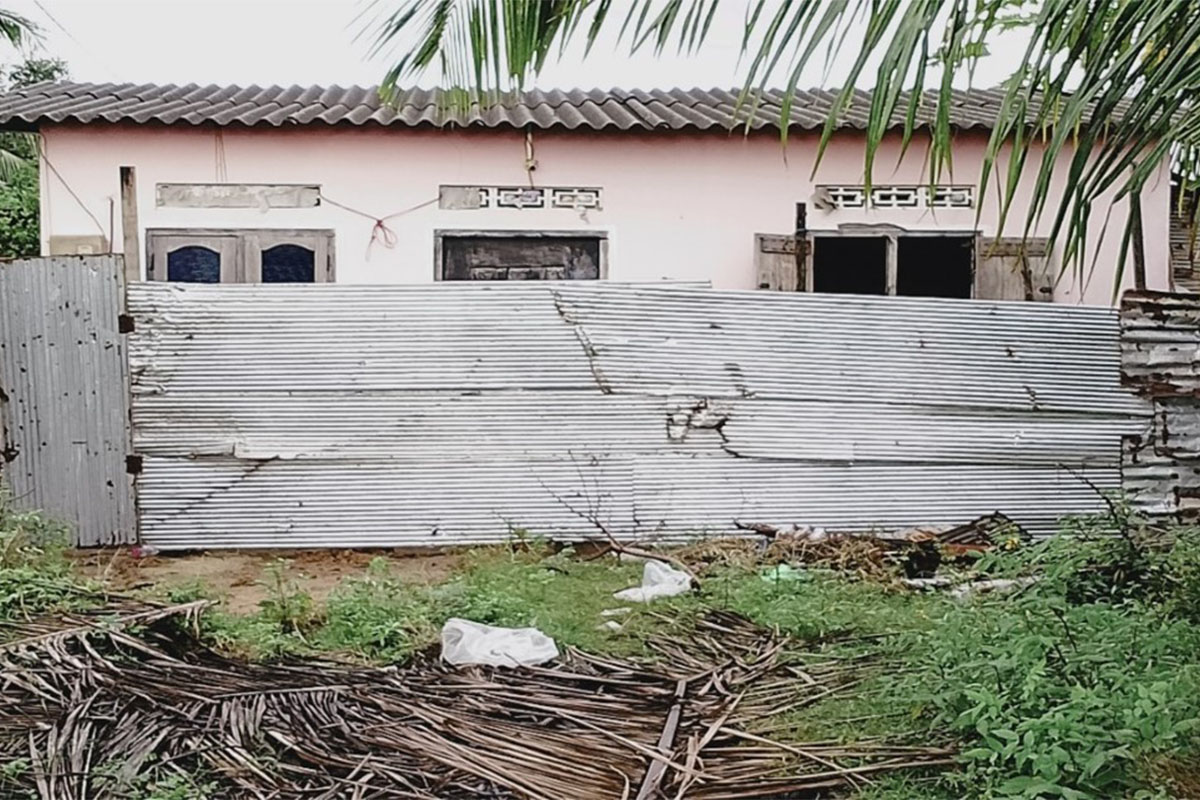
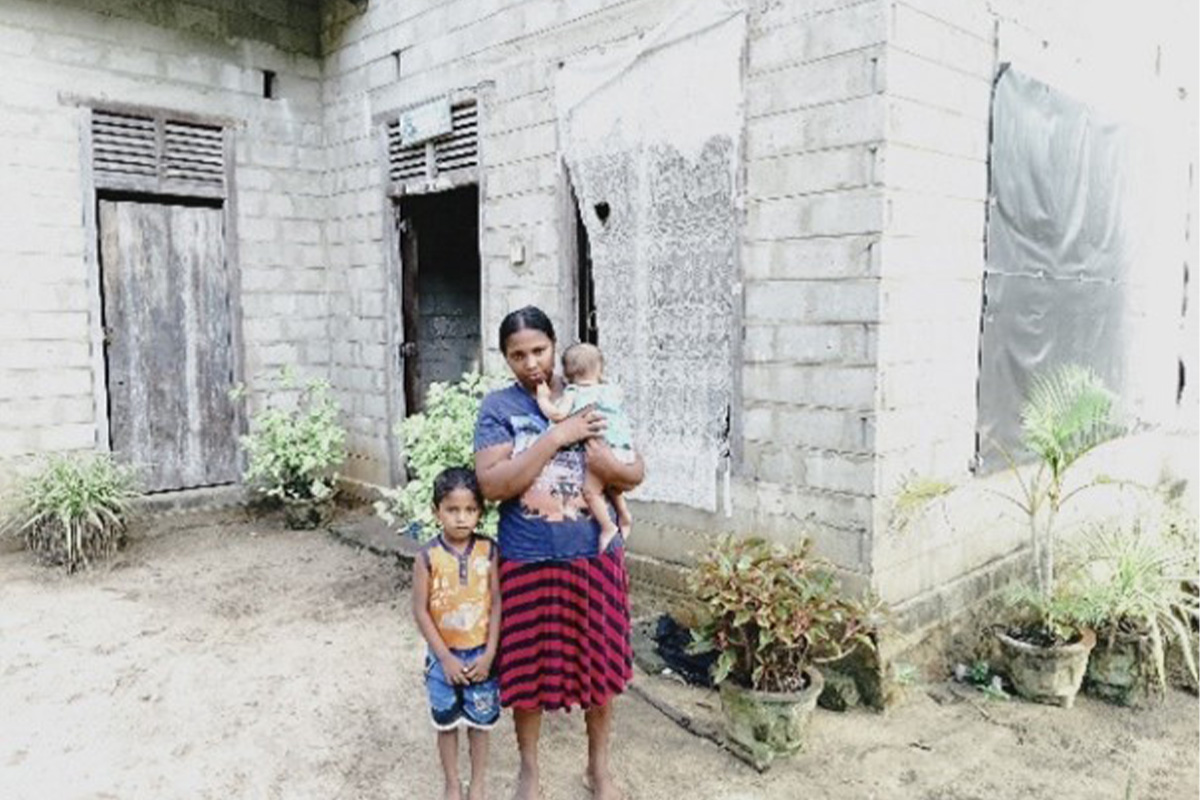
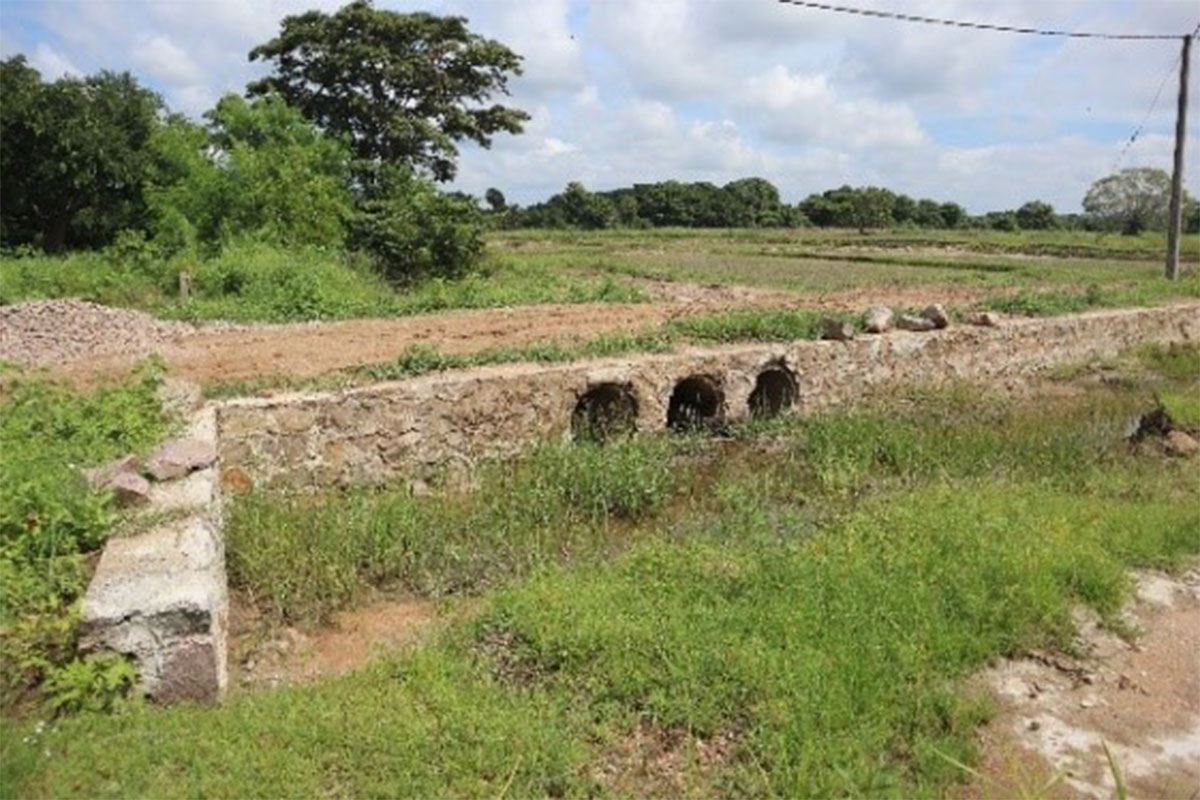
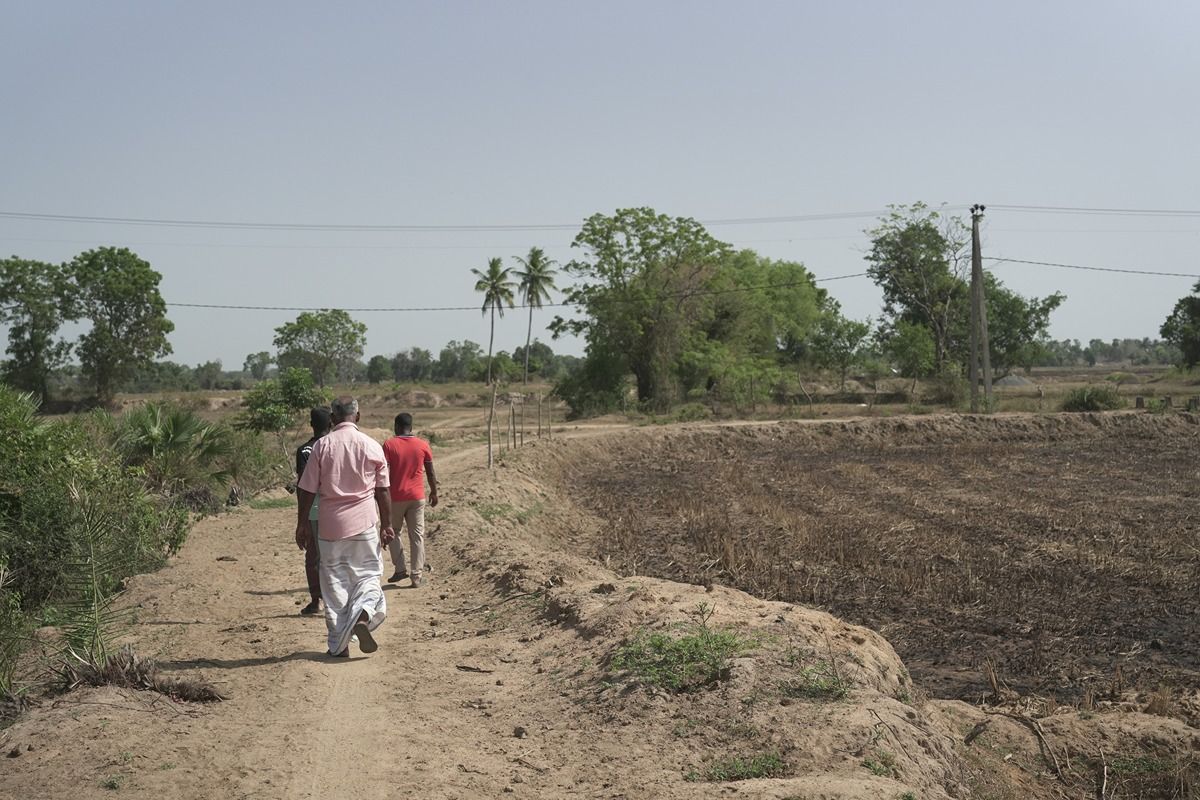
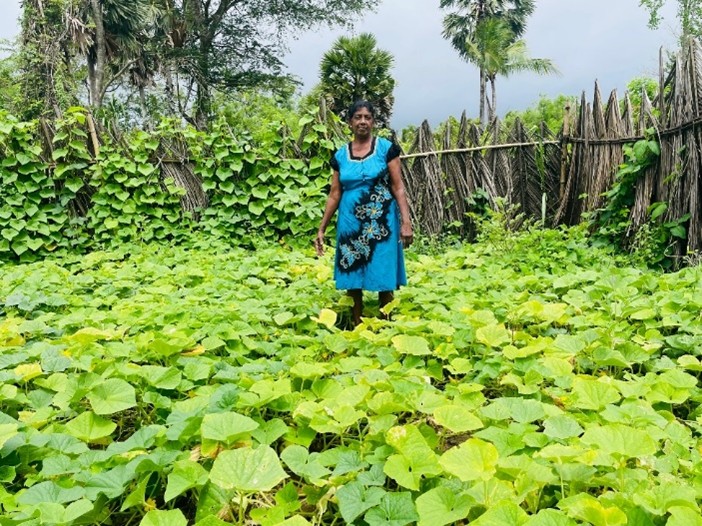
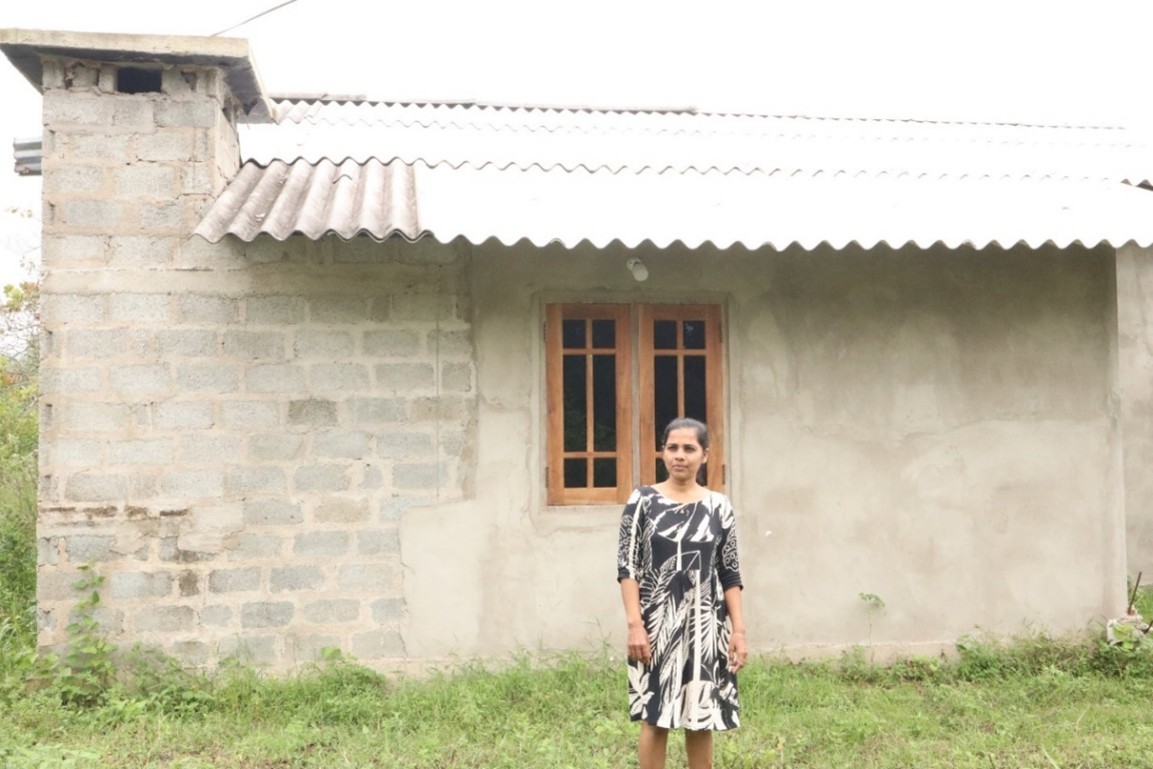
In post-conflict Kilinochchi, where displacement disrupted civil infrastructure and fractured community-state relationships, local issues—ranging from missing birth certificates to inadequate street lighting and water access—often went unaddressed for years
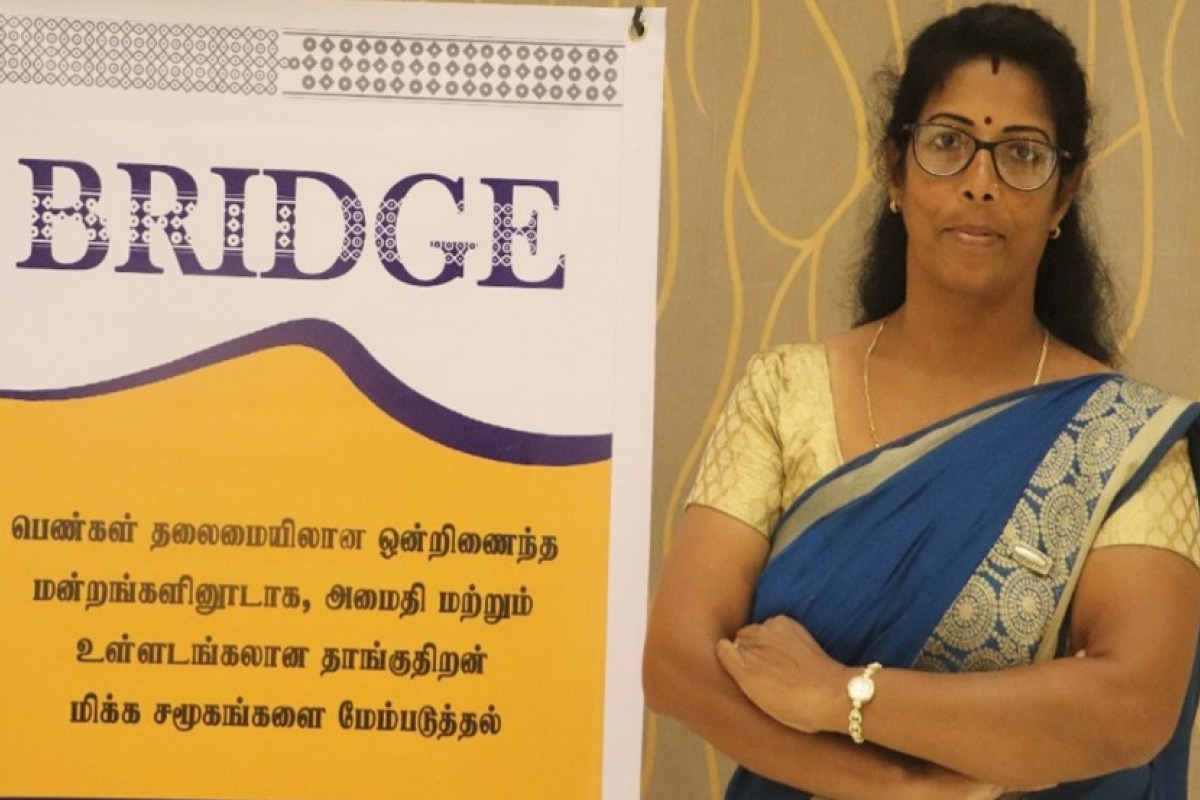
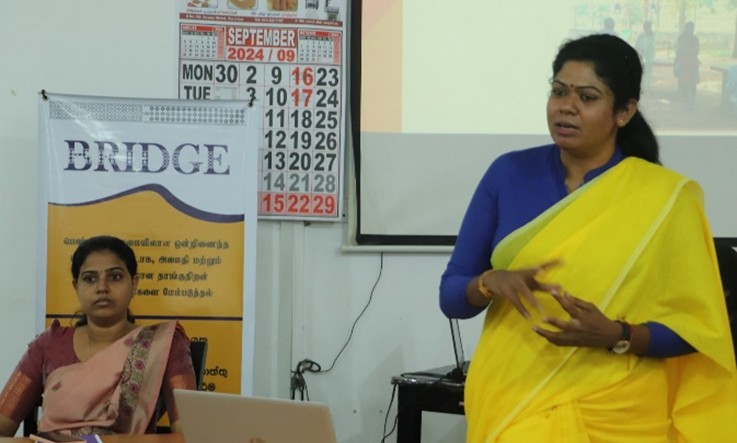
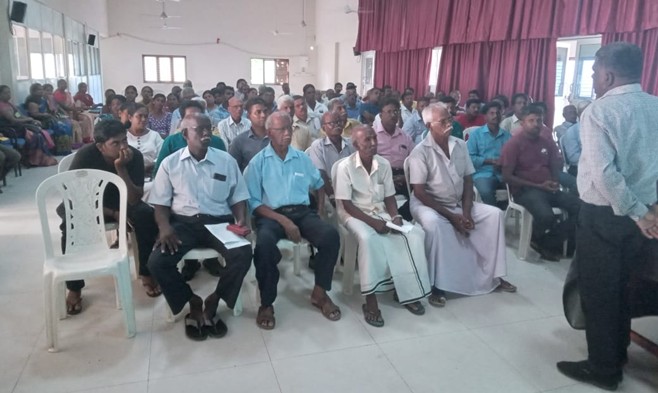
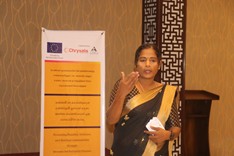
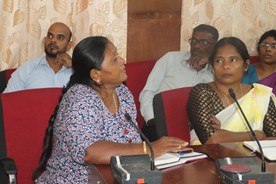
To bridge this gap, the Kilinochchi District Civil Society Organizations (CSO) Federation, supported by Chrysalis through the BRIDGE Programme, introduced a quarterly town hall and shadow town hall model co-chaired by the Provincial Ministry of Women's Affairs and the District Secretariat
The Challenge: Governance Deficits and Unaddressed Grassroots Concerns
Despite high poverty rates and significant gaps in local services, rural residents—especially women and upcountry Tamil families resettled after the conflict—had no direct access to decision-making bodies like the District Coordinating Committee (DCC)
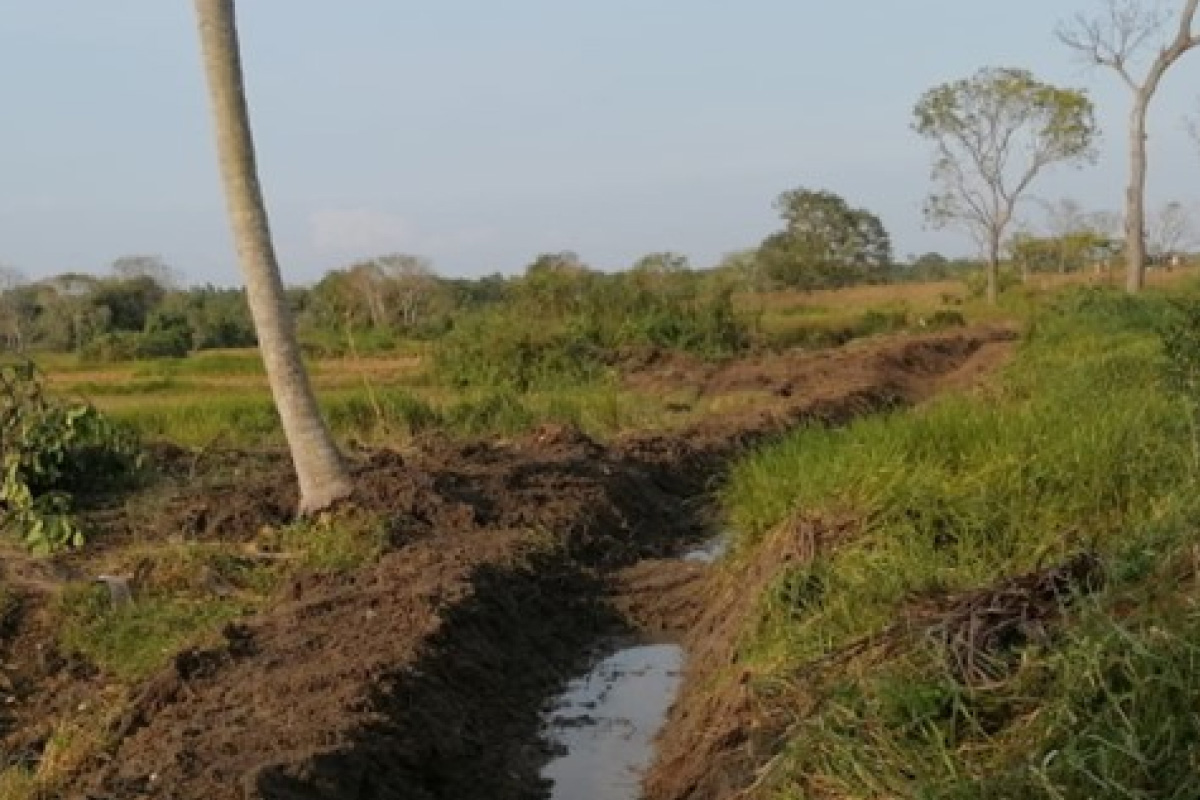
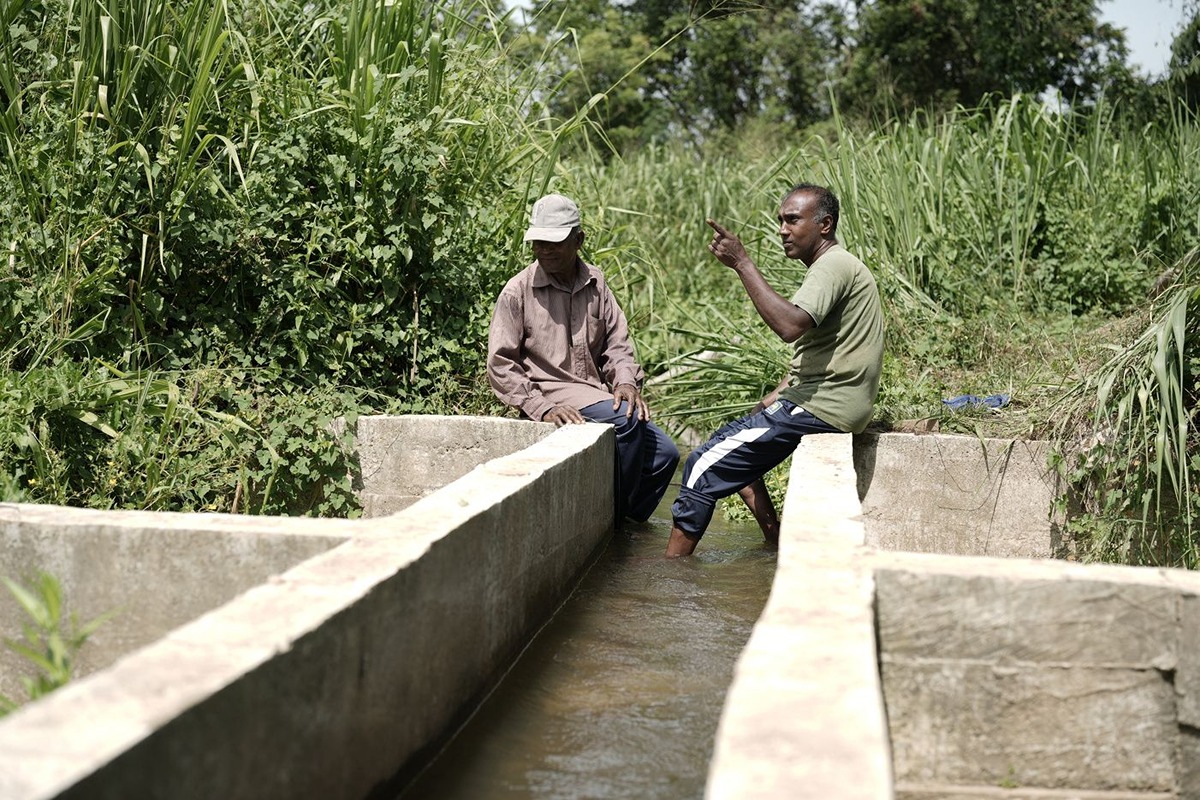
Critical issues such as saline water intrusion, illegal sand mining, poor waste management, and the lack of basic civil documentation remained unresolved
Strategic Interventions: Structured Dialogue and Capacity Building
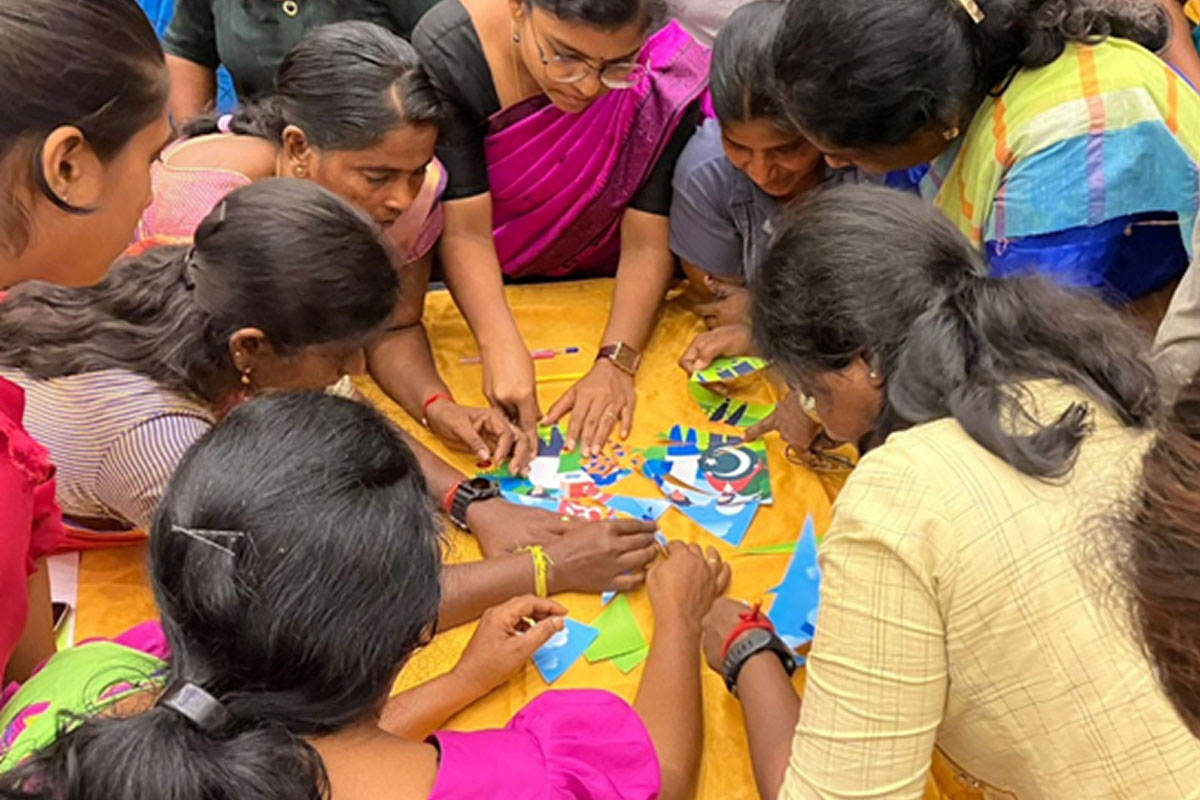
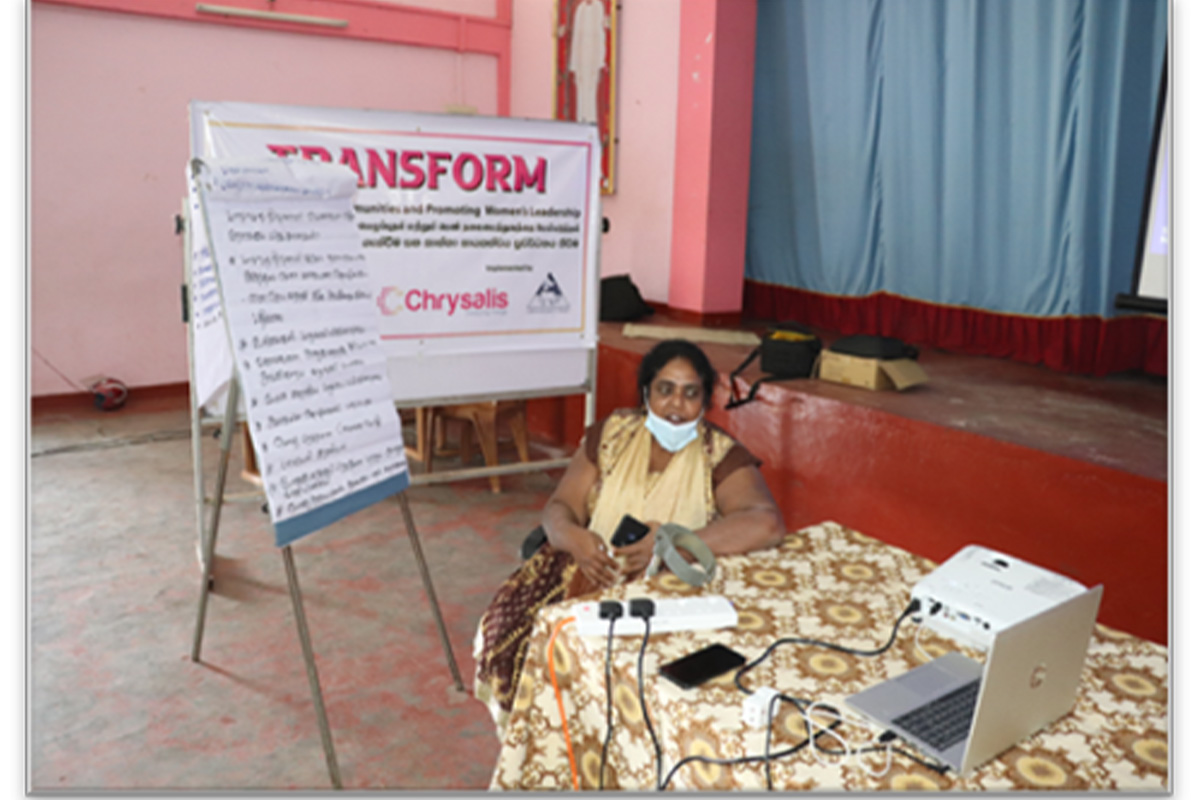
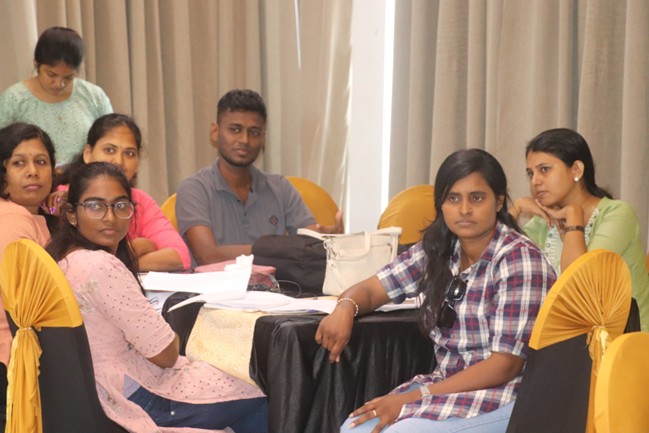
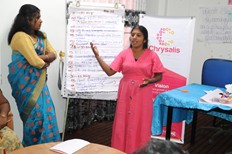
Through the BRIDGE Programme, civil society leaders were equipped with skills in ICT-based evidence documentation, human rights advocacy, and shadow town hall facilitation
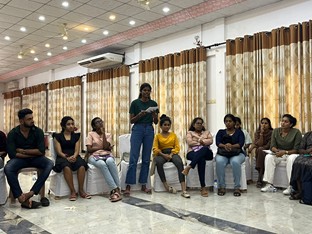
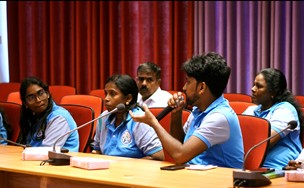
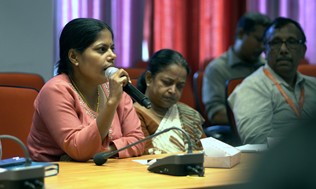
Quarterly Town Hall Platforms: Established recurring, documented multi-stakeholder sessions bringing community members face-to-face with government service providers
Capacity Cascading: Trained community leaders who subsequently shared skills with 64 local women political leaders, activists, and human rights defenders
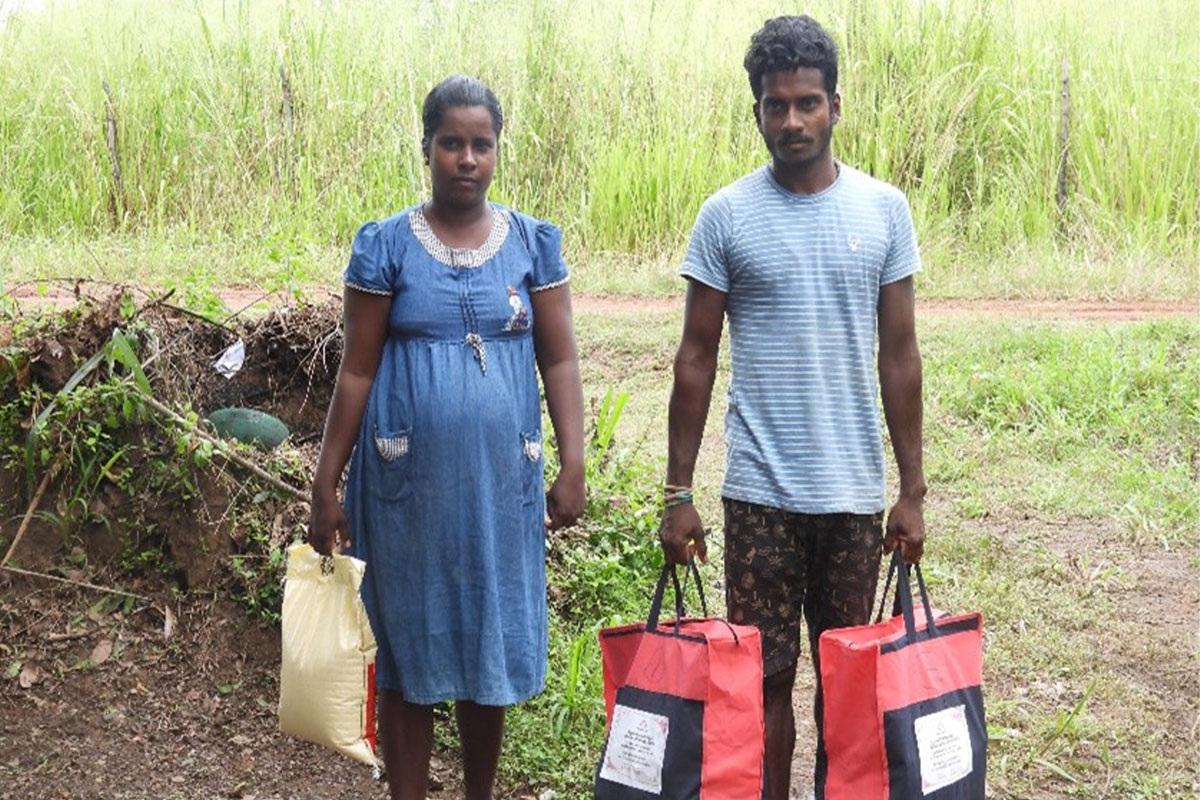
Mobile Birth Certificate Services: Collaborated with the District Secretariat, Divisional Secretariat Karaichi, and the Registrar General’s Department to launch a mobile documentation service directly in target villages
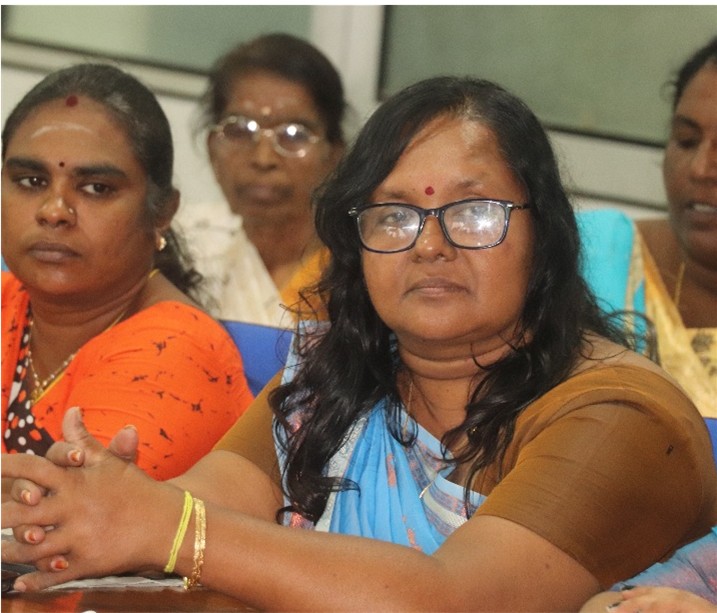
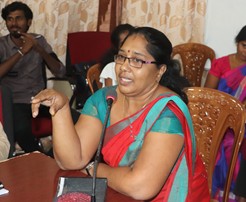
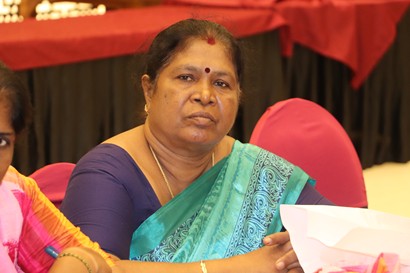
Centering Women's Voices: Created an inclusive space where women represent over 50% of active participants, elevating issues like women's safety, transport for pregnant women, and child protection
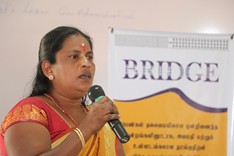
"These town halls are grassroots democracy in action... Communities now know how to demand. Institutions now know they must respond. That is the most powerful change I have witnessed."
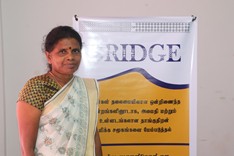
— Mrs. Nalayene Inparaj, Additional District Secretary, Kilinochchi District
Measurable Impact and Key Outcomes
The town hall framework has established a track record of institutional responsiveness:
High Resolution Rate: Across eight town hall sessions, community representatives raised 59 issues, leading to 57 formal decisions (a 97% decision rate) and 15 fully resolved cases to date, with recent 2026 sessions reaching a 100% resolution rate
Direct Documentation Relief: The joint mobile service issued 60 birth certificates in its initial drive, with 70 additional applications currently processing out of 130 submitted across 9 Grama Niladhari divisions
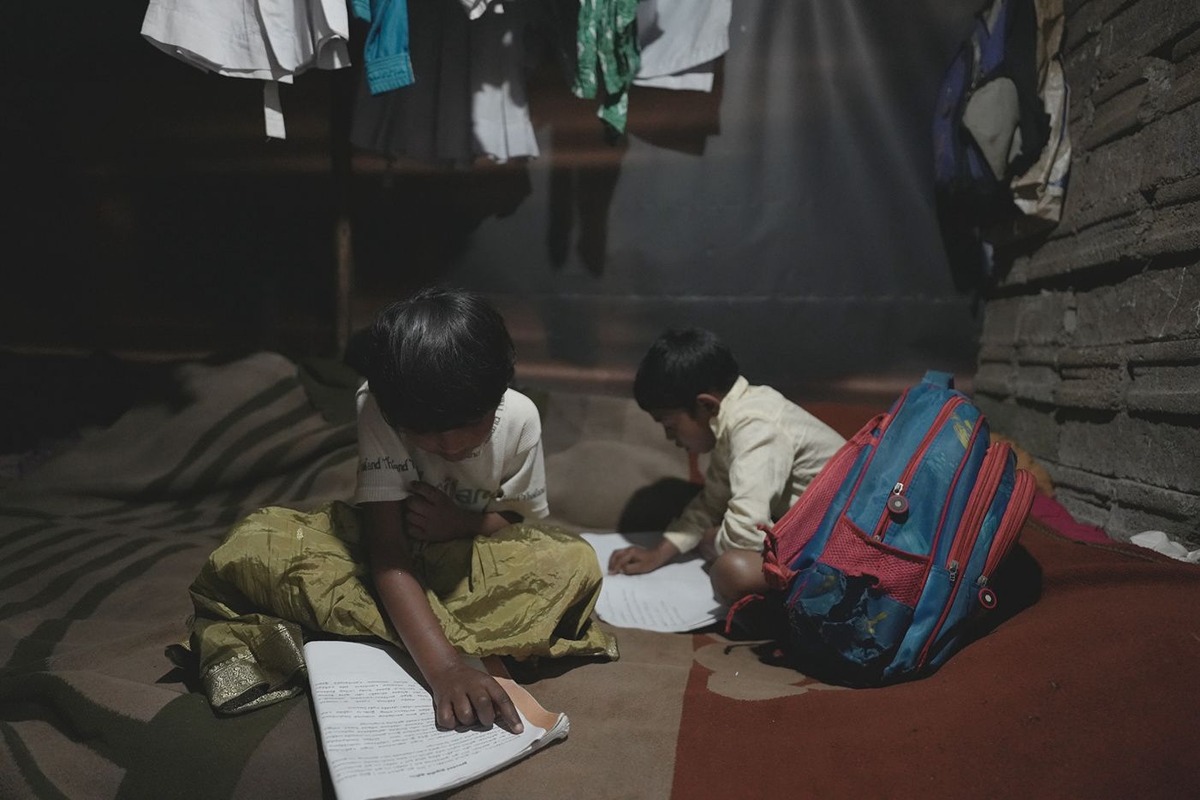
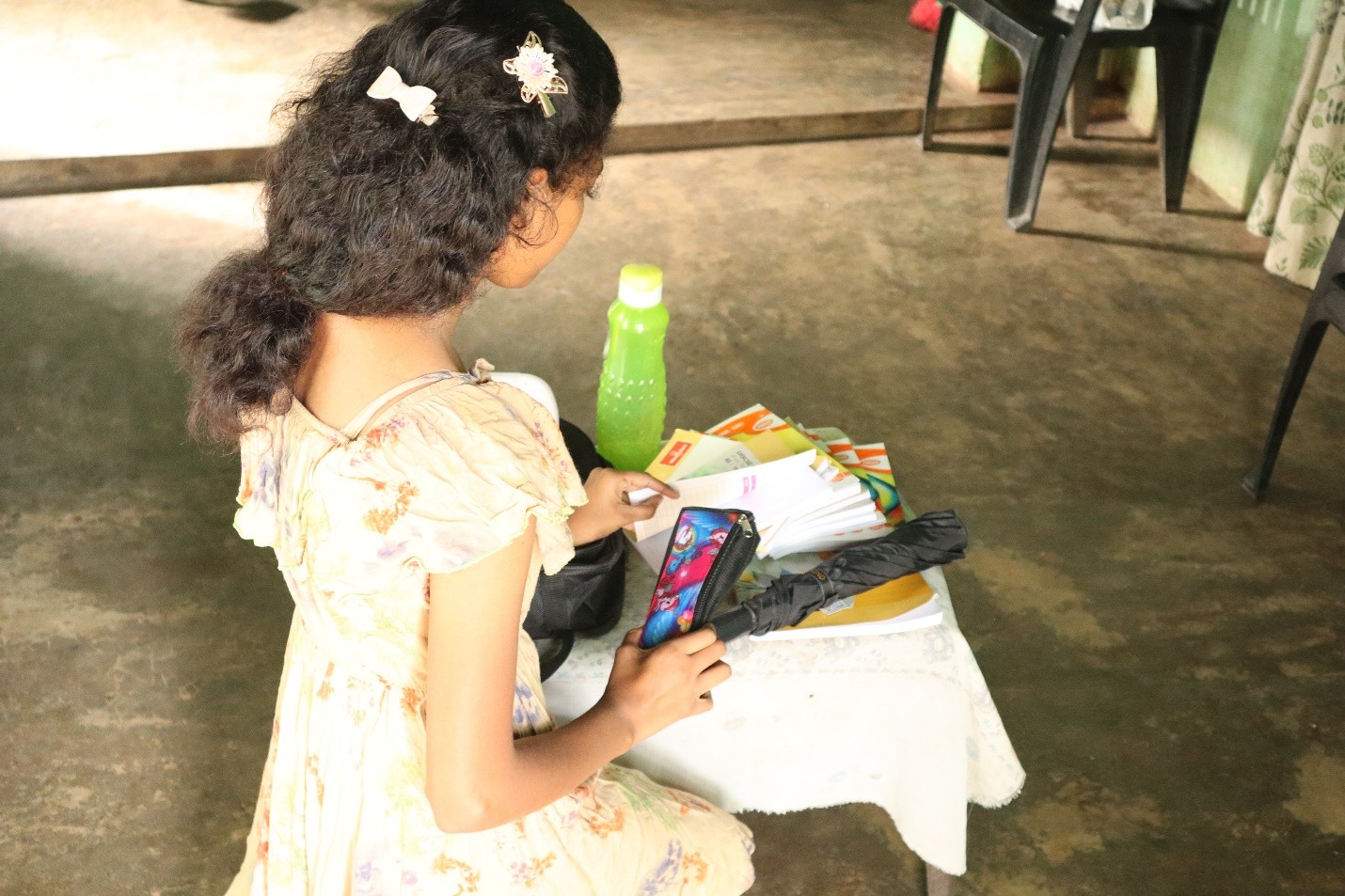
Restored Welfare and Entitlements: Beneficiaries who received documents gained immediate eligibility for Aswesuma welfare support, school registrations for 20 students, bank loans, and formal legal transactions
Sustained Leadership: Built local capacity to continuously monitor commitments and track institutional follow-up between formal sessions
Looking Ahead: Institutionalizing Grassroots Democracy
By providing structure, evidence, and preparation, Kilinochchi’s town hall model demonstrates that community advocacy can turn informal grievances into binding institutional commitments
Other Case Studies
Discover how Chrysalis transforms challenges into impactful solutions through real-world projects that drive sustainable growth and meaningful change.