Young Lawyers Becoming a Protection Resource for HRDs: Transforming Legal Theory into Community Advocacy
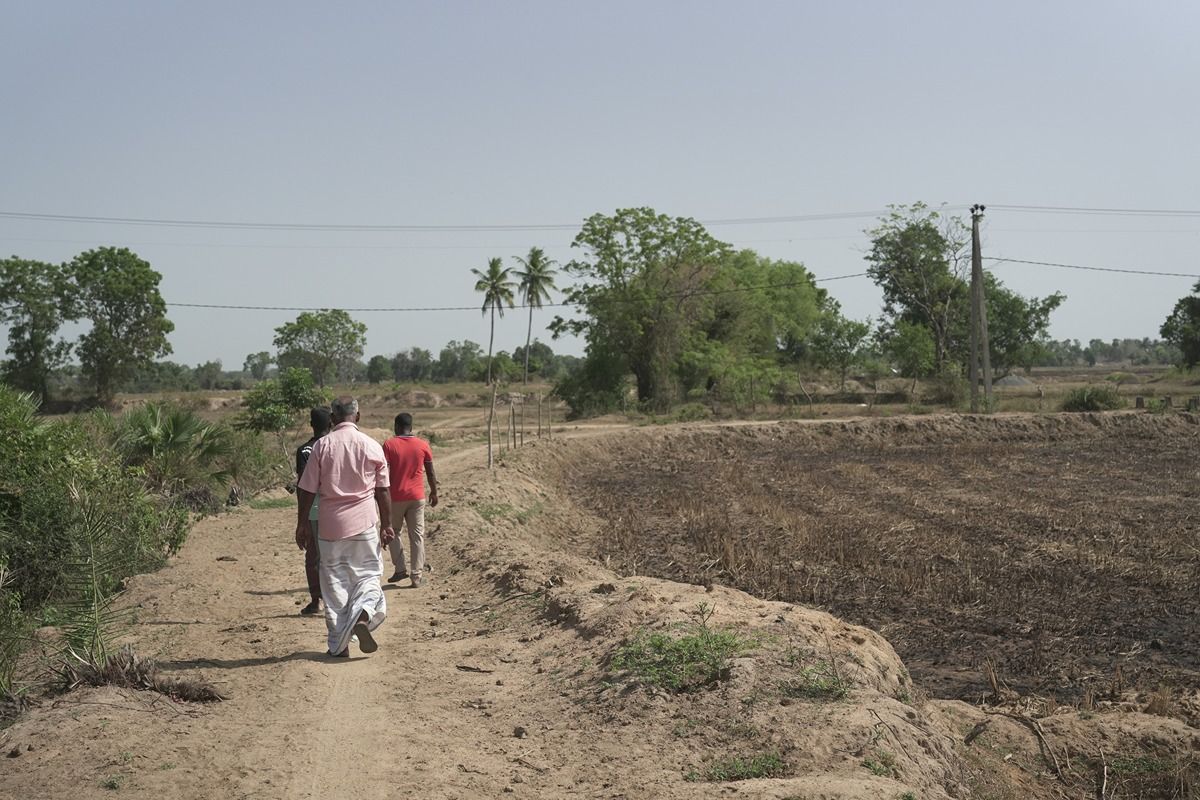
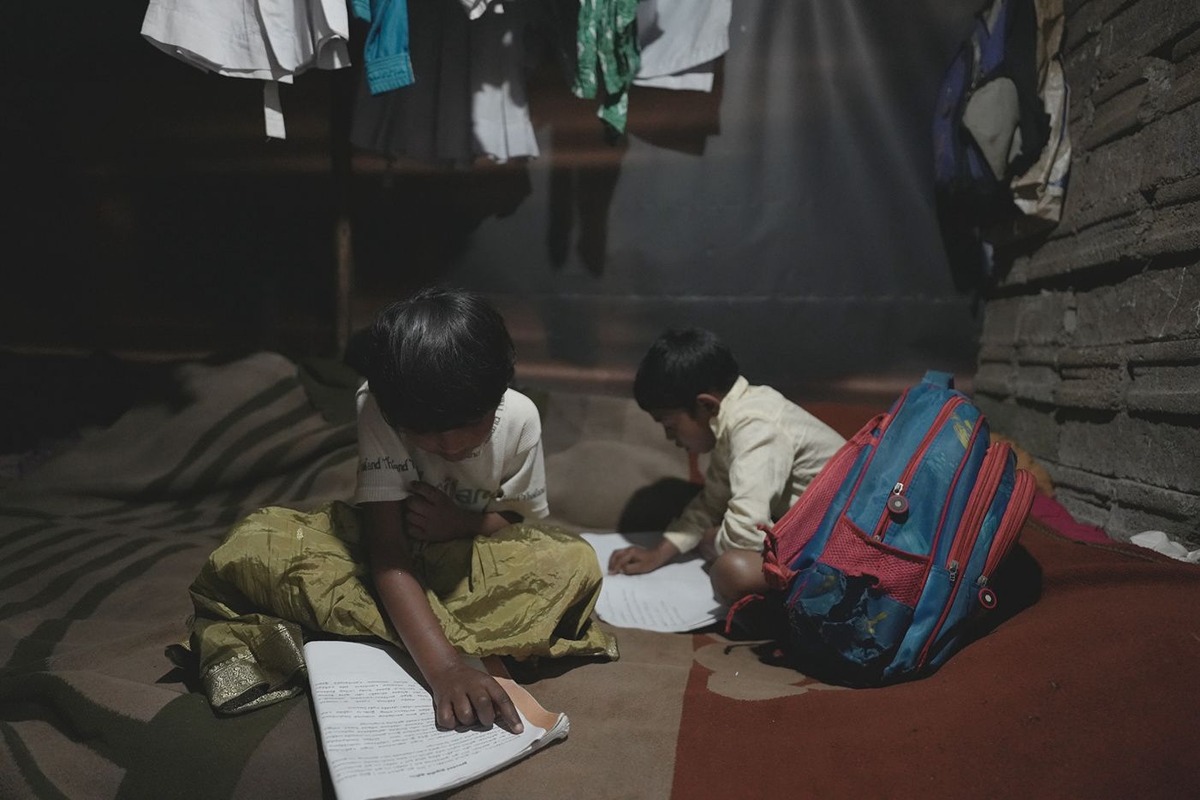
In Northern Sri Lanka, communities carry complex legal needs shaped by decades of armed conflict, post-war land disputes, suppressed identities, and persistent structural barriers
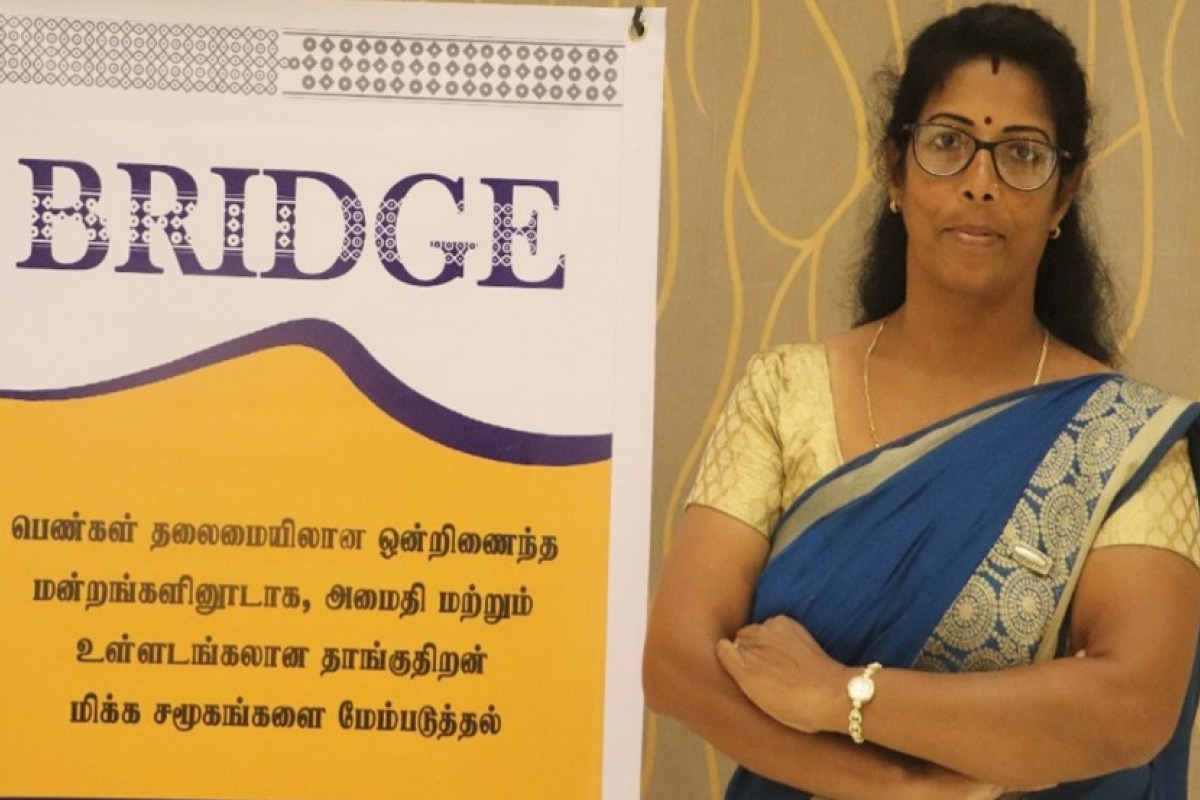
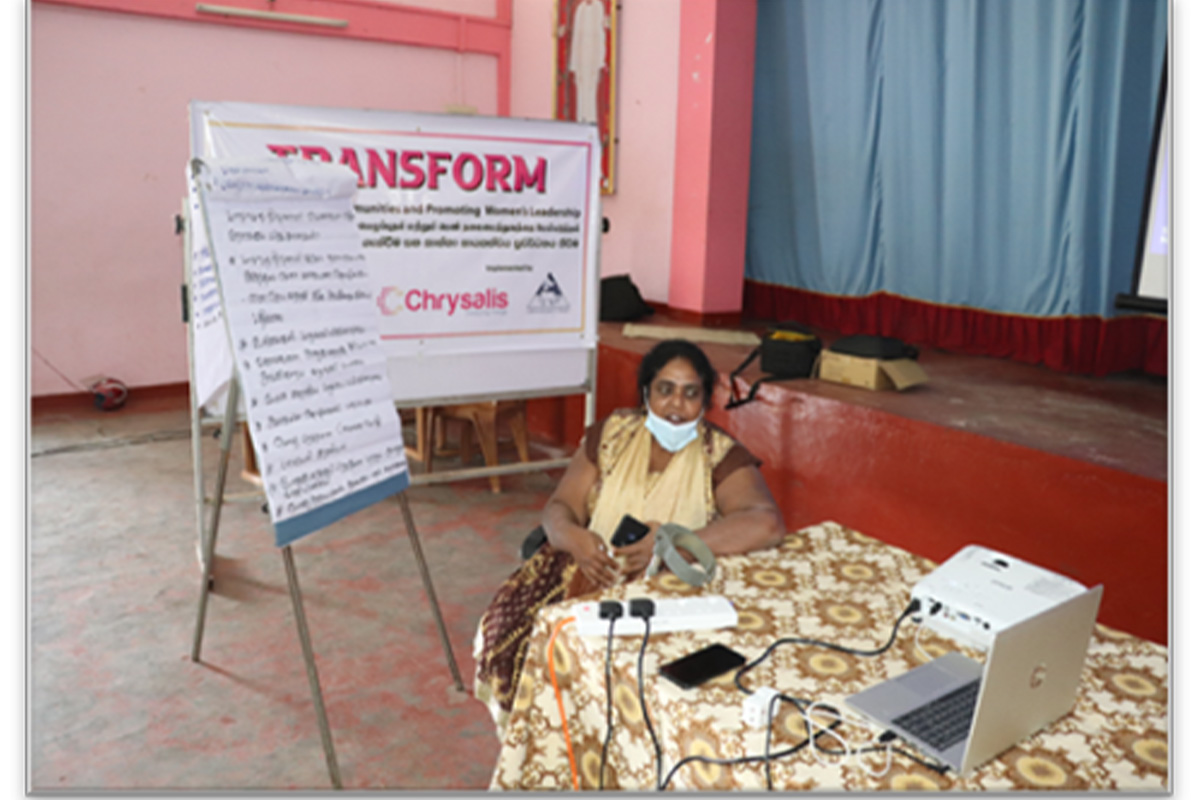
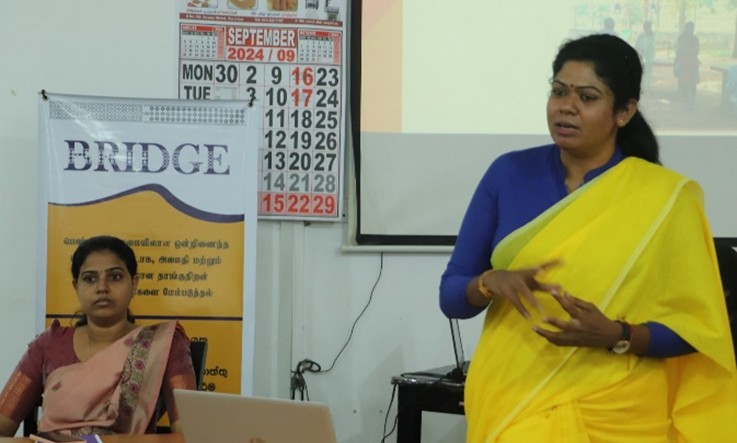
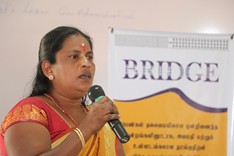
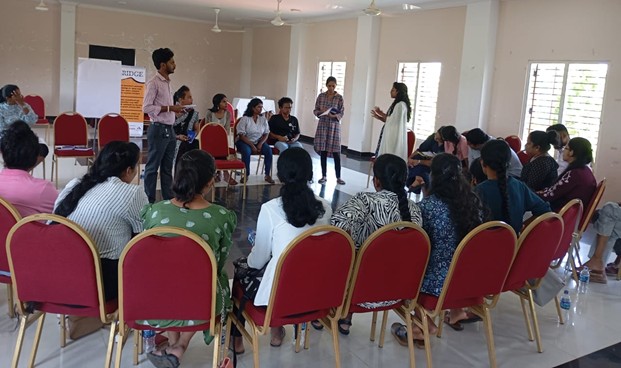
To bridge the disconnect between classroom legal theory and community reality, the Law and Society Trust (LST), in partnership with Chrysalis under the BRIDGE project, implemented the Fellowship Programme on Gender and Human Rights (January 2024 – March 2025)
The Challenge: Moving Past Theoretical Legal Education
Conventional legal education in Sri Lanka relies heavily on statutory texts and case law, offering limited exposure to grassroots legal struggles
Protecting the rights of LGBTQI+ individuals navigating hostile legal environments
Resolving land tenure disputes for long-displaced families
Advocating for Muslim personal law reform, including child marriage protections
Providing survivor-centered support for domestic violence and sexual and gender-based violence (SGBV) cases
Navigating maritime legal issues for fishermen detained in cross-border disputes
Additionally, young lawyers from rural districts like Mannar frequently lack professional connections with senior practitioners, human rights institutions, and referral networks, leaving them isolated when attempting to address systemic injustices
Strategic Interventions: Experiential Learning and Protective Networks
The fellowship established an experiential, three-tiered learning framework to connect young lawyers directly with community needs and national human rights mechanisms
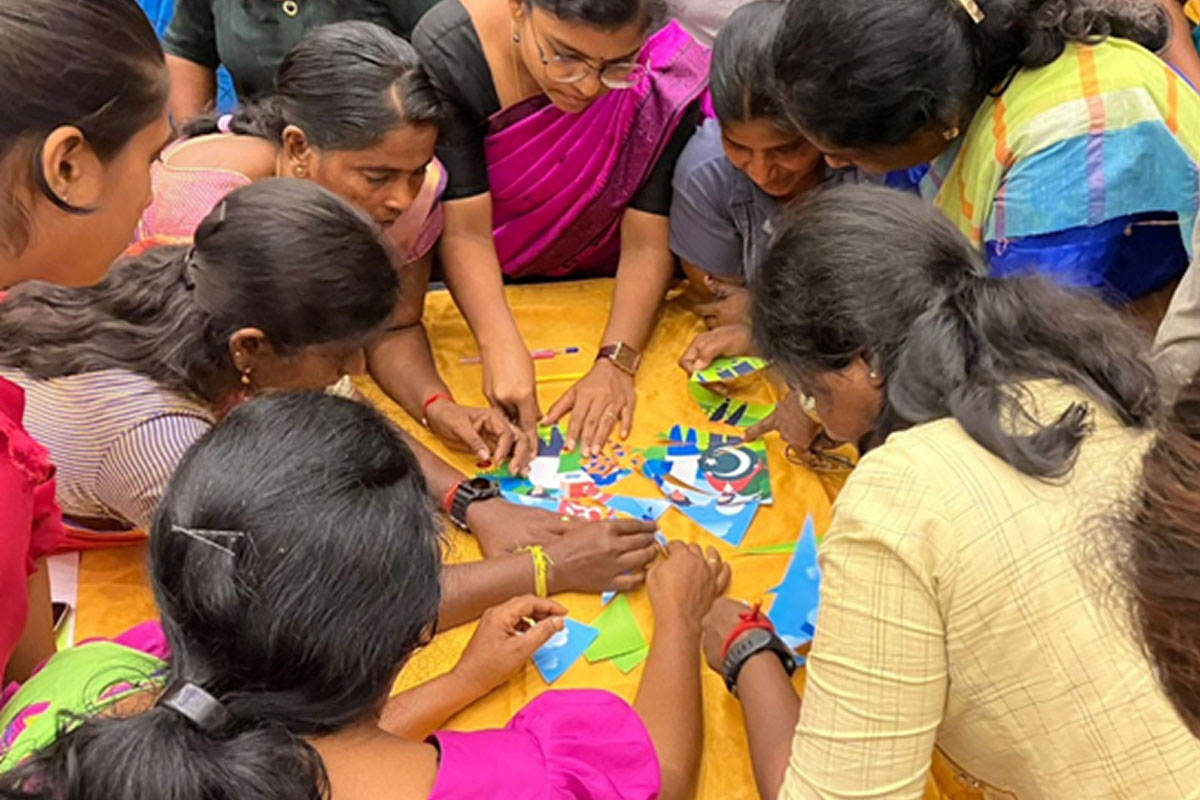
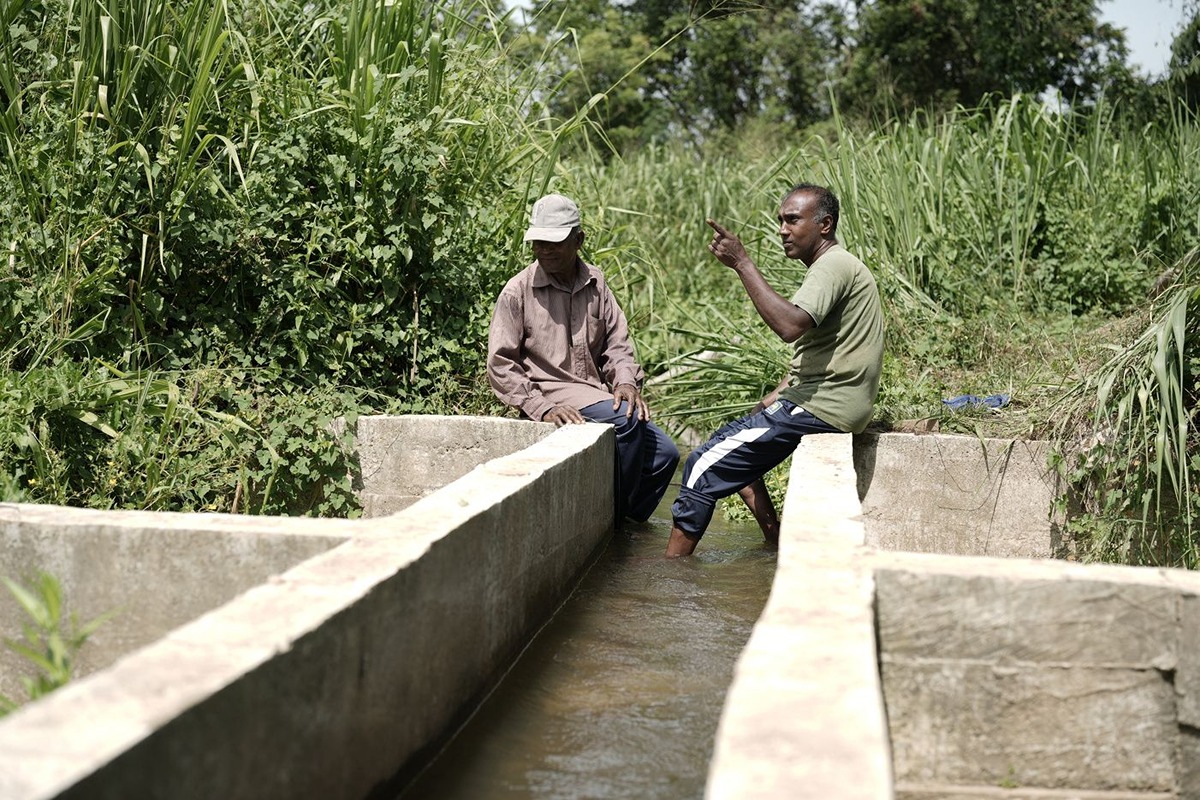
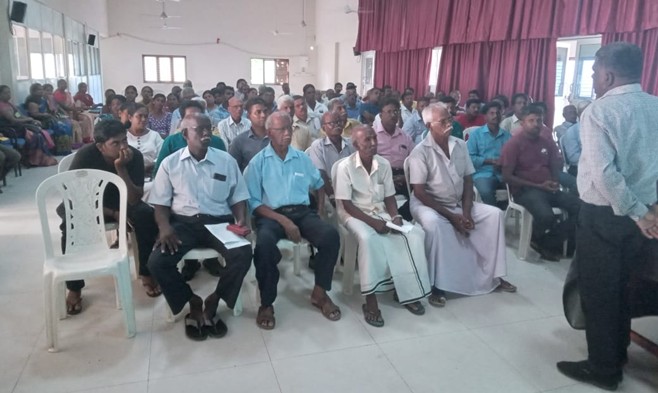
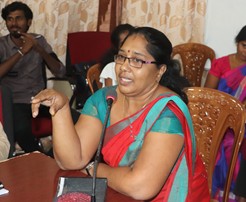
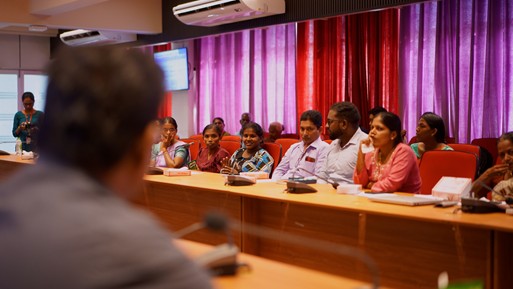
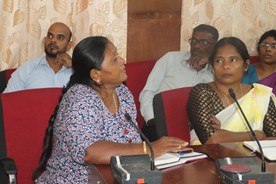
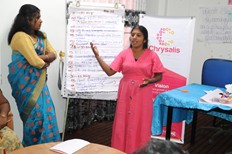
Community Consultations: Conducted five 1-day consultations across all northern districts, bringing fellows into direct dialogue with local activists, victims, and HRDs to analyze ground-level human rights situations
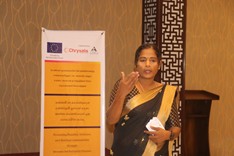
Targeted Legal Remedy Training: Held five 2-day training sessions following the consultations, equipping fellows with actionable knowledge on legal frameworks surrounding SGBV, land rights, and human rights violations
Institutional Lobby Tours: Organized six regional and national exposure visits—including engagements with the Human Rights Commission of Sri Lanka (HRCSL), national BAR associations, SGBV/LGBTIQ networks, and an exposure visit to Hambantota in Southern Sri Lanka to study national patterns of structural exclusion
Integration into Referral Networks: Directly linked participants to LST’s multi-stakeholder referral network, establishing formal channels to assist human rights defenders and vulnerable community members
"Before this programme, I studied law but I didn’t fully understand the people law is supposed to serve... I came back knowing that wherever I practise, I have a responsibility to the community, not just to the law."
— Law Fellowship Participant
Measurable Results and Community Impact
The fellowship successfully built a network of legal advocates who actively deploy their skills for community protection:
Capacity & Network Expansion: Connected 35 legal fellows (15 lawyers and 20 law students) with senior legal practitioners, civil society organizations (CSOs), and state human rights bodies
Cross-Border Maritime Advocacy: Fellow Kanila, now practising as an attorney-at-law, applied her training to assist legal initiatives supporting Sri Lankan Tamil fishermen arrested by the Indian Navy, directly contributing to securing the release ofdetained fishermen
Voluntary Community Legal Aid: Pre-qualification law students established voluntary guidance and referral pipelines, helping community members navigate domestic violence and land dispute processes before seeking formal representation
Expanded Perspective on Exclusion: Southern exposure visits reframed local northern challenges as broader national rights issues, encouraging cross-regional solidarity and advocacy
Looking Ahead: Institutionalizing Rights-Based Legal Practice
By linking legal education directly to community protection and institutional referral mechanisms, the BRIDGE Programme has empowered a new generation of legal professionals in Northern Sri Lanka
Other Case Studies
Discover how Chrysalis transforms challenges into impactful solutions through real-world projects that drive sustainable growth and meaningful change.