Turning Digital Literacy into Protection: Subtharshini Sivatharshan’s Journey in ICT Empowerment and Cyber Safety for Women
In Northern Sri Lanka, the rapid proliferation of smartphones and social media platforms has opened new frontiers for economic empowerment and civic engagement
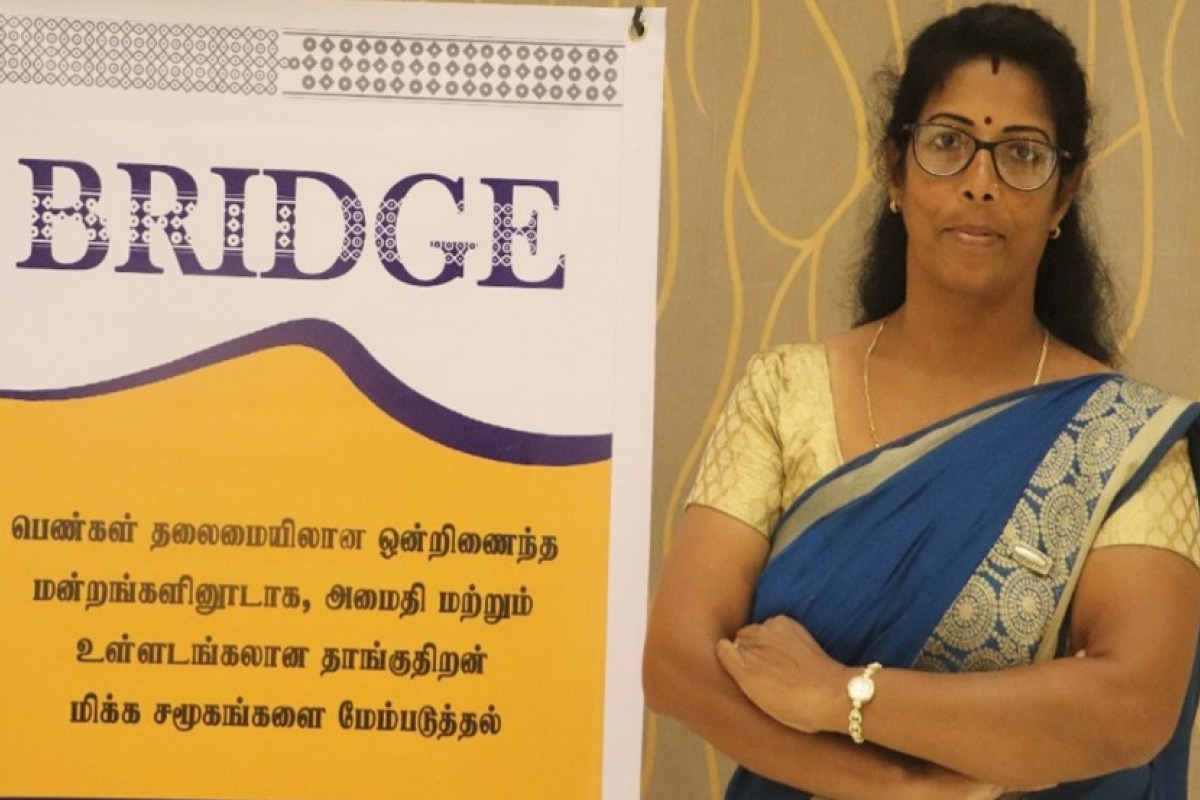
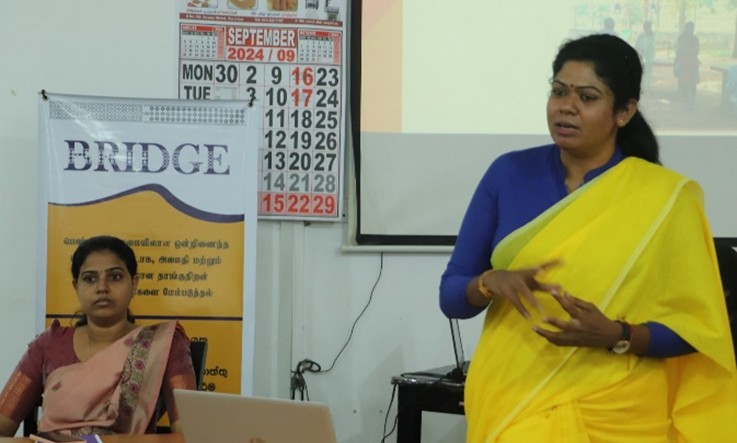
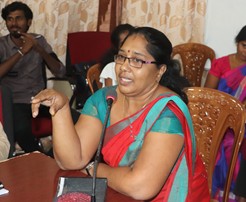
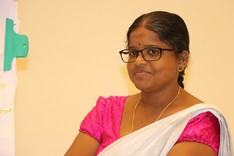
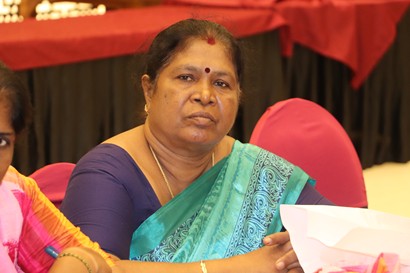
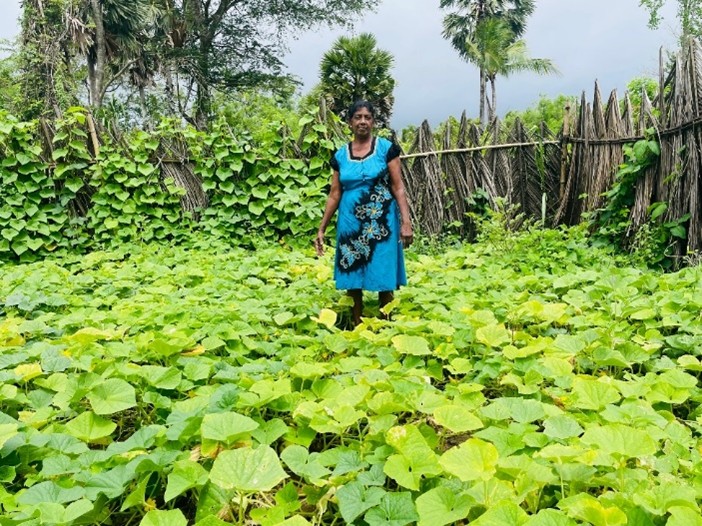
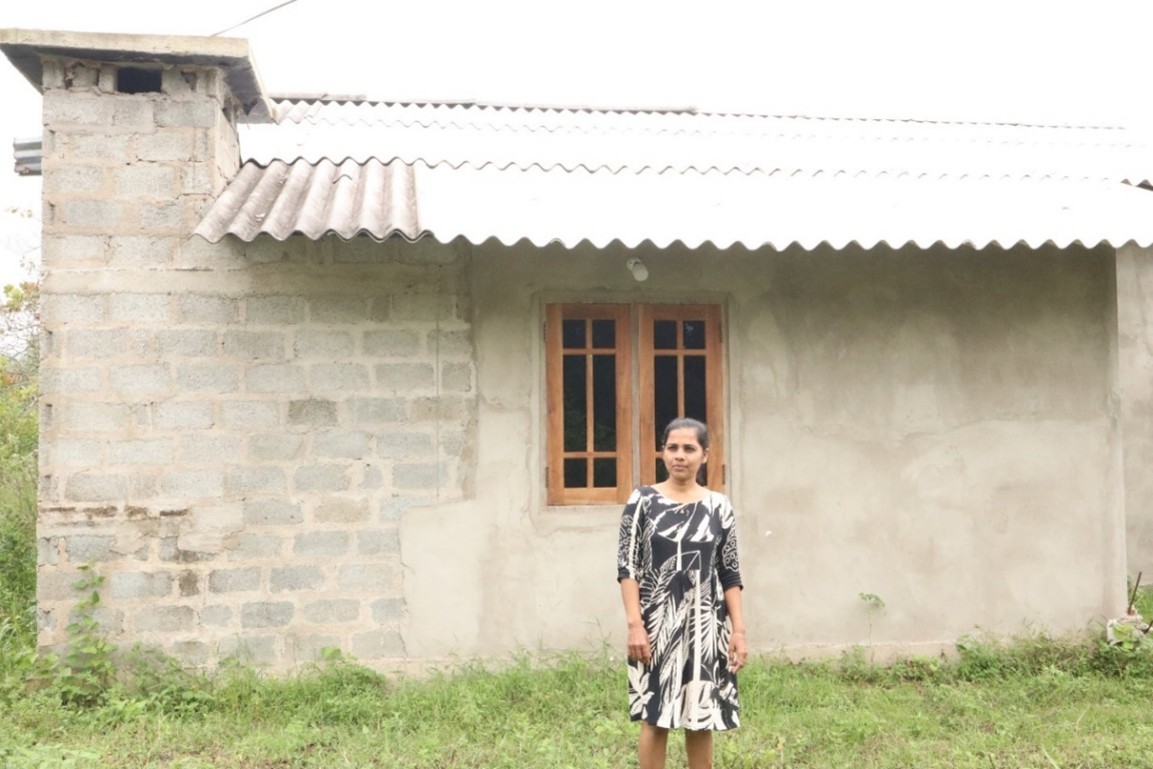
Stepping up to turn digital access into safety is Ms. Subtharshini Sivatharshan, a dedicated government Women Development Officer
Subtharshini transformed her government role into an active digital safety and empowerment function, creating a protective framework for women navigating the online world
Confronting Digital Vulnerability in Vavuniya
While platforms like Facebook and WhatsApp offer women entrepreneurs tools to market local goods and connect with broader communities, a lack of digital literacy often leaves them vulnerable to exploitation
Recognizing that general software training was insufficient, Subtharshini set out to bridge the gap between digital opportunity and online protection across communities in Vavuniya
Strategic Interventions: Building Physical Digital Safe Spaces
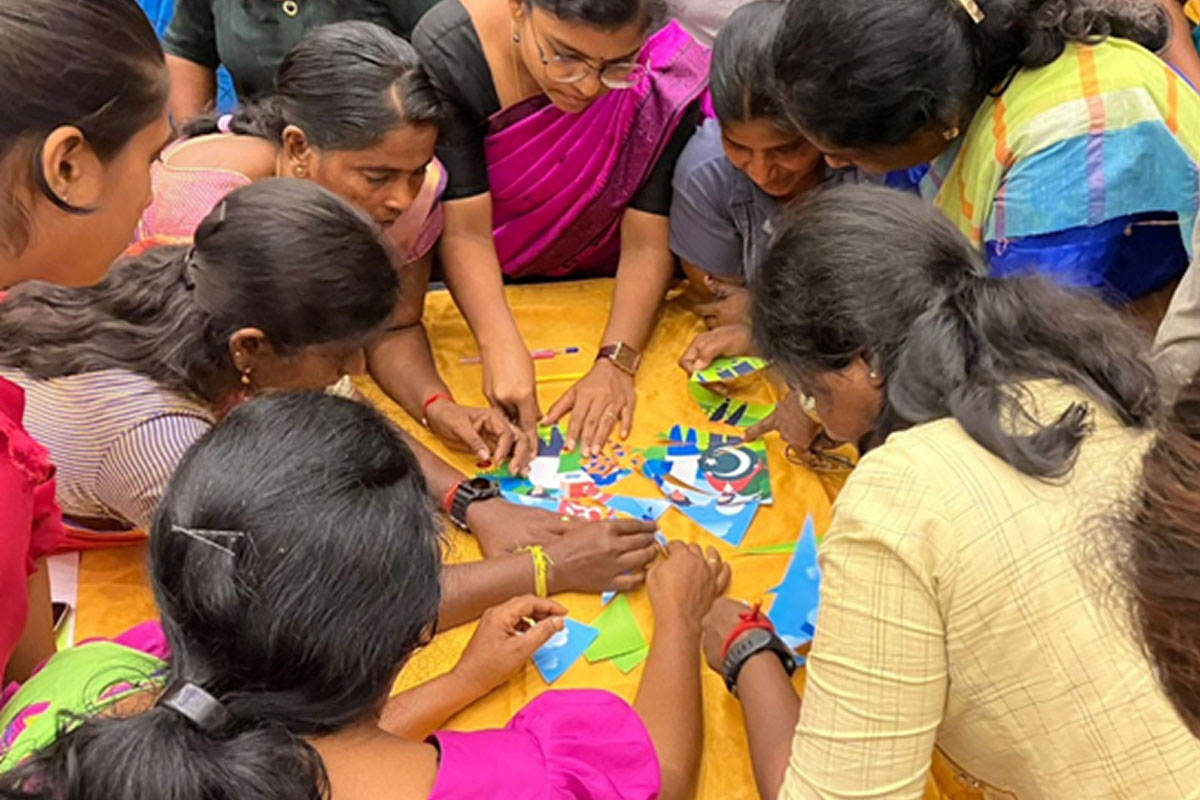
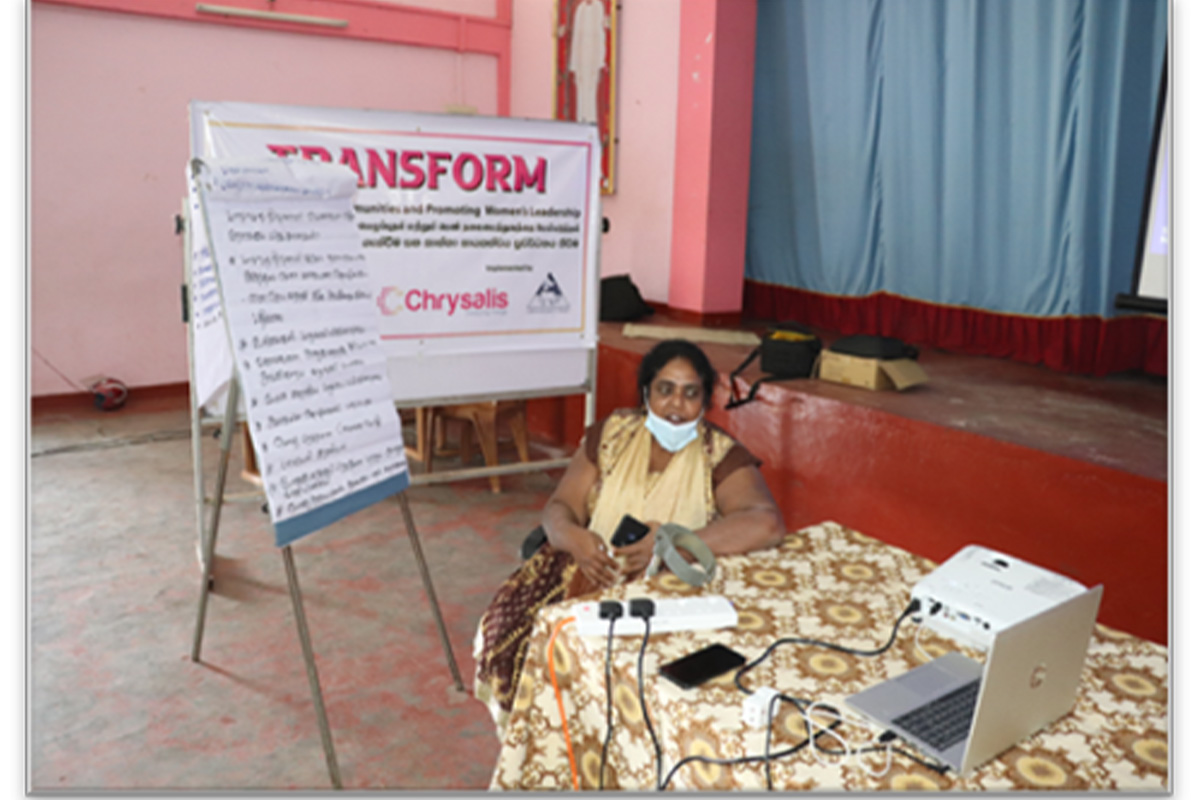
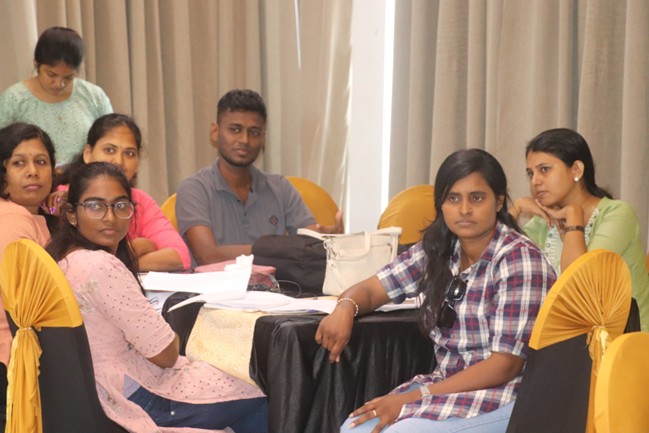
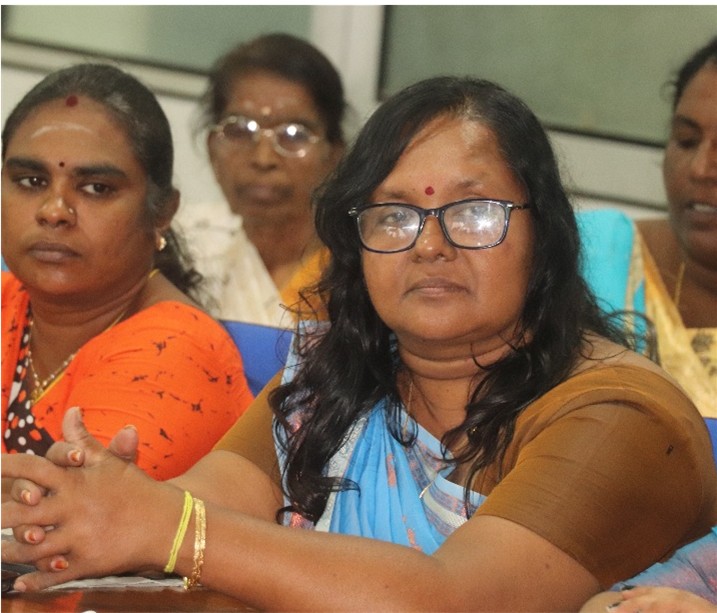
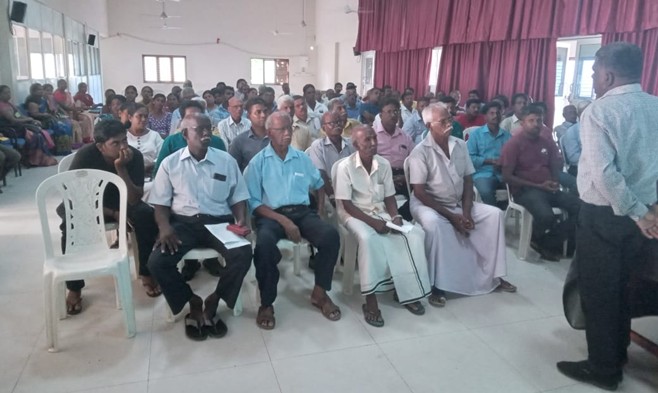
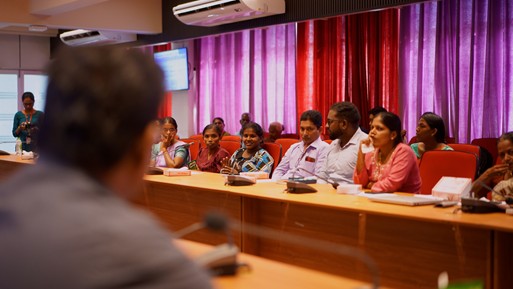
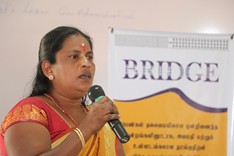
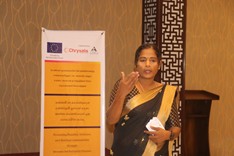
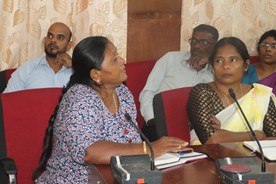
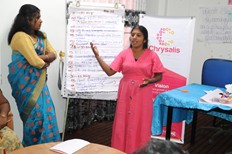
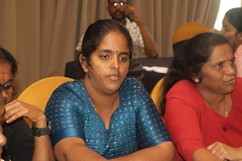
Funding from People for Justice enabled Subtharshini to design and deliver six gender-sensitive awareness sessions reaching approximately 210 women across the district
Technical Cyber Safety: Participants learned practical online safety protocols, including password protection, two-factor authentication, using the 'Hitha Wathi' cyber safety app, and securing account privacy settings
Legal and Rights Awareness: The curriculum demystified the Online Safety Act and detailed formal reporting procedures, guiding participants on how to lodge complaints with the Police Cybercrime Division
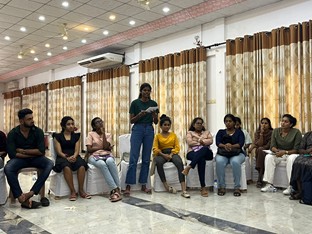
Physical Digital Safe Spaces: Localized, judgment-free hubs were established where women could discuss online threats openly, build solidarity, and learn free from harassment
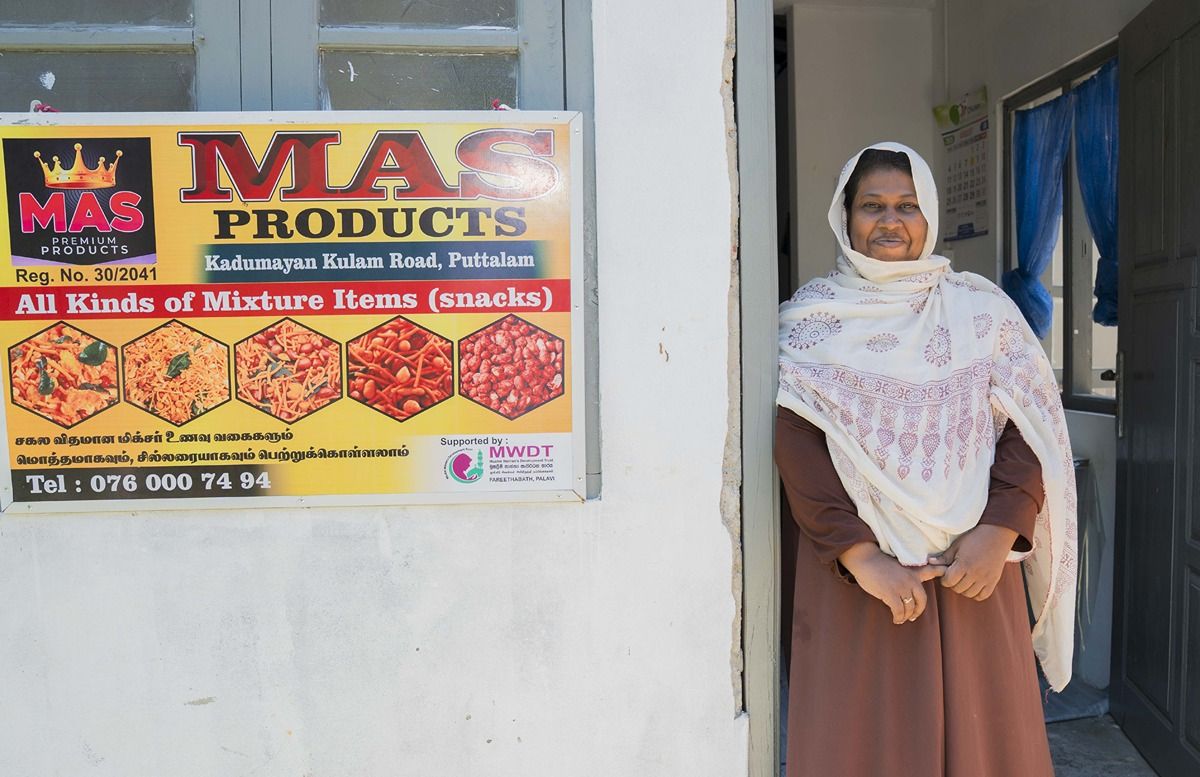
Practical Economic Skills: Women were trained in digital marketing—such as establishing product pages on Facebook Marketplace and utilizing mobile money services securely—enabling them to expand their livelihoods safely
Mentorship & Simulation: Through peer-to-peer mentoring and role-playing exercises, experienced participants guided beginners in managing suspicious messages and blocking online harassment
"I did not know I had rights online. Now I know how to protect myself — and I can teach others to do the same."
— Awareness Session Participant, Vavuniya District
"The Digital Safe Space gave us a place to talk about things that happened online that we were too ashamed to say anywhere else. Knowing we were not alone changed everything."
— Awareness Session Participant, Vavuniya District
Measurable Results and Community Multiplier Effect
Subtharshini’s localized training model delivered immediate, tangible protection outcomes:
Direct Legal Action: More than five cybercrime cases were formally referred to the Cybercrime Division following the sessions, leading to direct legal and protective action
Enhanced Visibility for Advocacy: Participants gained digital skills in video editing and content creation, enabling them to use social platforms for grassroots advocacy on gender equality and community issues
Sustained Peer Support: The peer-mentoring approach established a lasting network where trained women continue to pass digital safety knowledge to others in their villages
Looking Ahead: A Model for Digital Rights
Subtharshini Sivatharshan’s work demonstrates that digital tools are only as empowering as they are safe
Other Case Studies
Discover how Chrysalis transforms challenges into impactful solutions through real-world projects that drive sustainable growth and meaningful change.