In the heart of Puttalam, a district known for its rich
diversity of cultures and traditions, women have always worked quietly behind
the scenes, tending paddy fields, helping with family fishing, or managing
household tasks that often go unrecognized. Their labour has been vital yet
rarely counted as entrepreneurship. Today, only 25–30 percent of businesses in
Sri Lanka are led by women, and in communities like Puttalam, cultural
expectations and limited opportunities make the number even smaller. It is
within this landscape that Nooha’s story begins.
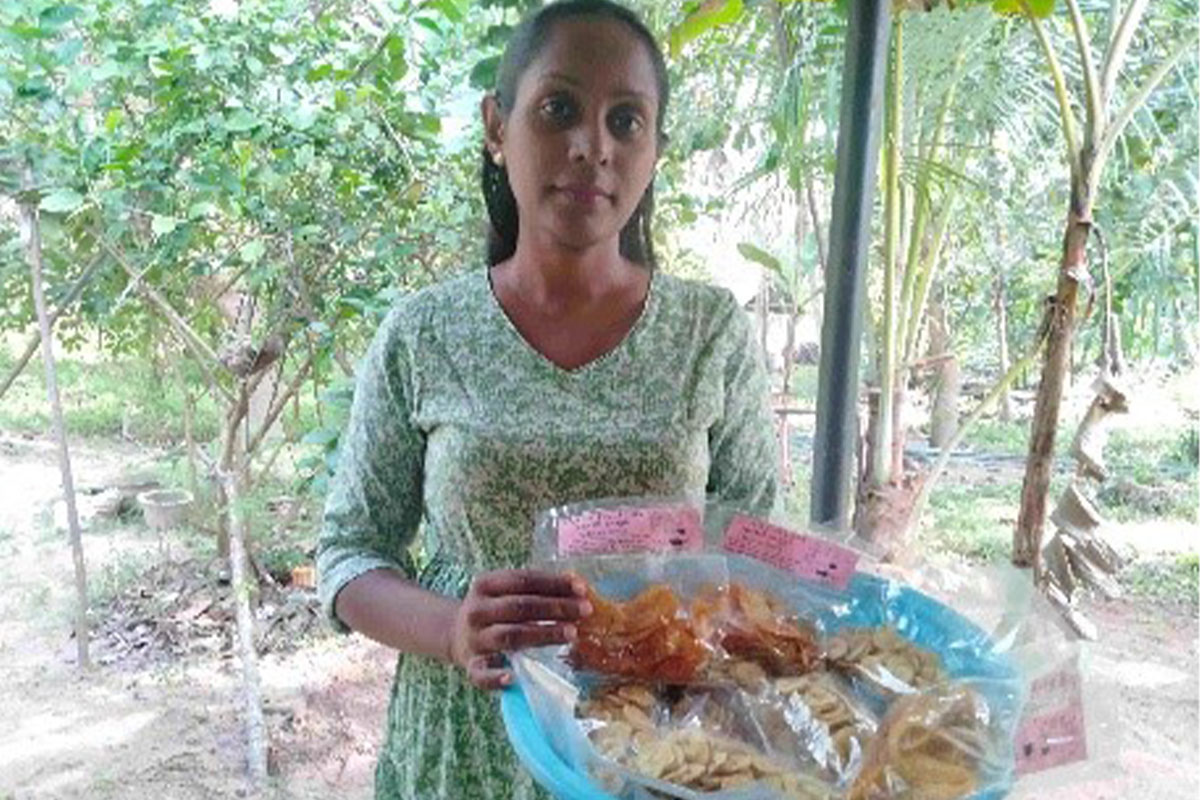
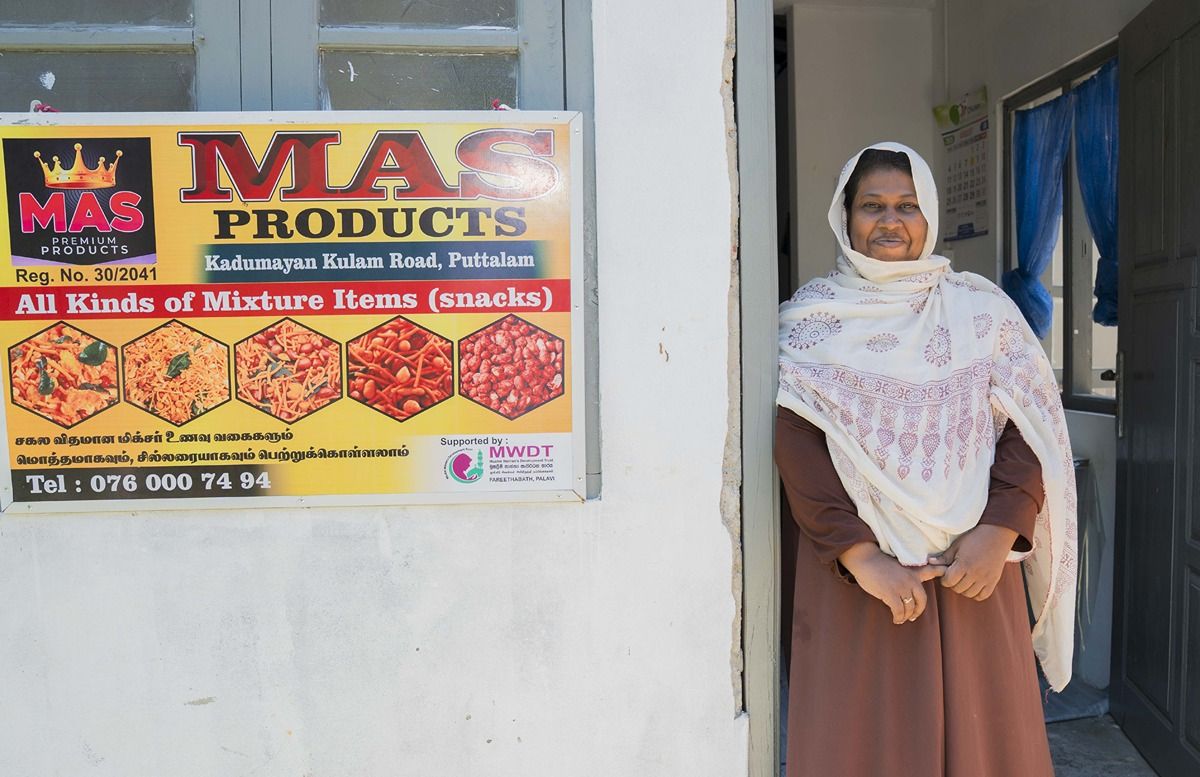
At first glance, MAS Premium Products may appear to be just
a small snack business. Yet behind its signature chickpea-based cocktail
mixture lies something far greater a story of transformation, women’s economic
empowerment, and inclusive market participation. Nooha’s venture reflects how
strengthening women-led enterprises can contribute to resilient livelihoods,
promote gender equality, and create pathways for sustainable community growth.
Restarting After Adversity: A Resilient Entrepreneur’s
Journey
Originally operated as a partnership, MAS Premium Products
ran for seven years before being forced to pause operations during the COVID-19
pandemic. However, in November 2022, with newfound knowledge and confidence,
Nooha resumed operations from a new rented location, this time as the sole
proprietor of a revitalized and reimagined business.
Her re-entry into entrepreneurship marked a transformation.
This shift was catalysed by her selection into the Chrysalis FICE programme,
funded by GIZ and the EU, which she discovered through the local Women
Entrepreneurs’ Network and her Divisional Secretariat. While many applied for
the opportunity, Nooha was the only woman entrepreneur selected from her area,
an achievement that inspired her to aim higher and redefine her enterprise.
From Informal to Professional: Transforming Through
Capacity building
Before joining the FICE project, Nooha’s business operated
informally. Profits and expenses were tracked mentally or noted in scattered
pages, packaging was done by hand, and work schedules shifted depending on
daily demands. The training she received from the project, reshaped this
approach, giving her the confidence and skills to move from survival-mode
operations to a structured, growth-oriented enterprise.
She introduced
methodical bookkeeping, combining digital tools with traditional recordkeeping.
For the first time, she began accurately assessing profits, factoring in raw
material and labour costs, and making financial decisions with clarity. The
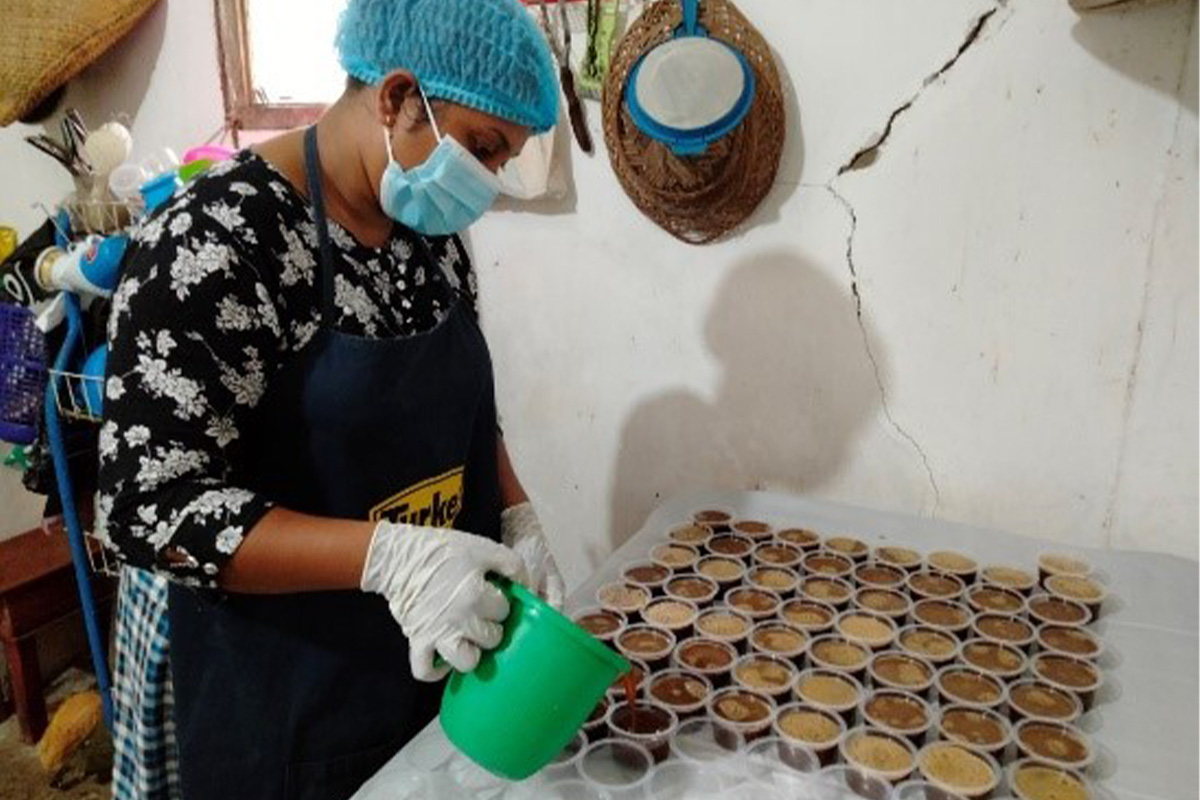
grant support enabled her to purchase a packing sealer and mixing machine,
shifting from slow manual work to efficient semi-automated processes.
“I was running this business in a very small space and on
a small scale. The support I gained from the FICE project has been a giant step
forward for my business.”
This shift strengthened her resilience as an entrepreneur
and opened pathways to more stable growth. It also signalled a broader
transformation: Nooha was no longer running just a small snack venture, but
leading a professional, women-led enterprise that could compete in mainstream markets,
create opportunities for others, and inspire women in her community to
reimagine what was possible.
Inclusive Employment and Community Empowerment
MAS Premium Products is now a source of livelihood and
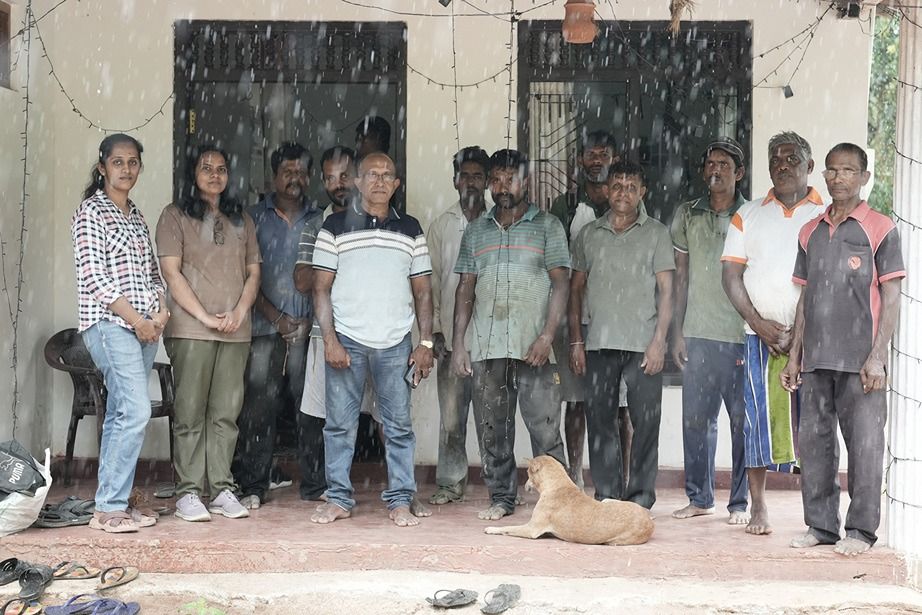
dignity for six individuals, four women and two men, from Nooha’s village. Many
of them come from vulnerable backgrounds, including widows, single mothers, and
those navigating domestic or financial hardship. Every employee is trained
in-house and cross-skilled to manage multiple tasks, creating a workplace where
everyone contributes to the smooth flow of operations.
Nooha has also reimagined how staff are rewarded. Shifting
to weekly salary payments, an idea inspired by the FICE project trainings she
undertook, has had an immediate impact. Employees feel more motivated, as the
system allows them to better balance their household needs while enjoying their
earnings with dignity and independence. What may seem like a small adjustment has,
in reality, strengthened trust, improved morale, and reinforced the sense of
belonging within her growing business.
“It’s not only me—several lives now depend on my
business. There is no turning back, we move forward together with a fresh
mindset and an optimistic view of our future.”
A Gendered Business Model Rooted in Community
As a woman entrepreneur, Nooha understands the systemic and
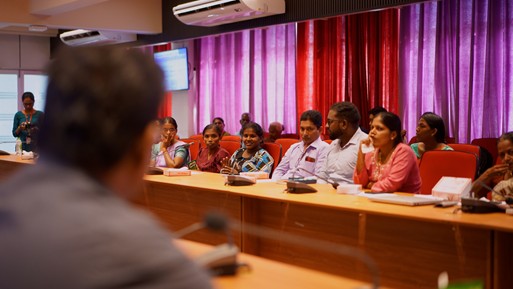
cultural challenges faced by other women in Puttalam. She is an active member
of the local women entrepreneurs’ network and participates in bimonthly
exhibitions held at the Municipal Council Hall, where businesses showcase their
products to a multi-ethnic consumer-base.
Her journey has positioned her as a role model in the
community, demonstrating what is possible when women claim space in
entrepreneurship. She not only grows her own business but also uplifts those
around her. One employee, encouraged by Nooha’s guidance, has launched a side venture
producing homemade chilli powder. She is now a regular supplier for MAS Premium
Products’ signature snack mixture. Such ripple effects show how Nooha’s
approach nurtures both individual empowerment and collective economic growth.
Valuing and Praising Responsible Business Practices
Over time, and with the assistance of the FICE project, MAS
Premium Products became standardized. Nooha now pays close attention to every
detail in the operation. She has clearly identified her niche market and the
unique features that help her reach it effectively.
Nooha has also chosen not to diversify into multiple
products but to focus on scaling up her current offering. Her goal is to increase
monthly profits from the current LKR 30,000–40,000 to LKR 100,000 by growing distribution
and strengthening her presence through exhibitions and social media,
particularly her Facebook page (MAS) and WhatsApp promotions.
“We are all women in the production process, and we put
our utmost effort into delivering the best products, just as a mother prepares snacks
for her children”
Leadership, Impact, and the Road Ahead
Her journey, from restarting a paused business to becoming
the sole proprietor of a growing SME, reflects resilience, strategic learning,
and inclusive leadership. Supported by her husband, who assists with
deliveries, and by her family in every way, she balances an operation during
the day while managing her enterprise with dedication, precision, and
determination.
Her transformation through the Chrysalis FICE project is
evident, having strengthened her financial literacy, employee management,
gender-sensitive practices, food safety, and environmental stewardship. Beyond
profitability, her business demonstrates how small enterprises can serve as
engines of social and economic inclusion, creating opportunities for
marginalized individuals, fostering community collaboration, and inspiring
others, especially women, to envision and pursue entrepreneurship.
“I used to think small, Now I understand how to think
like a businesswoman.”