Making Public Transport Safer and More Respectful for Women: How Kulagowry Transformed the Jaffna Transit Experience
Public transit is an indispensable lifeline for daily life, economic participation, and access to essential services
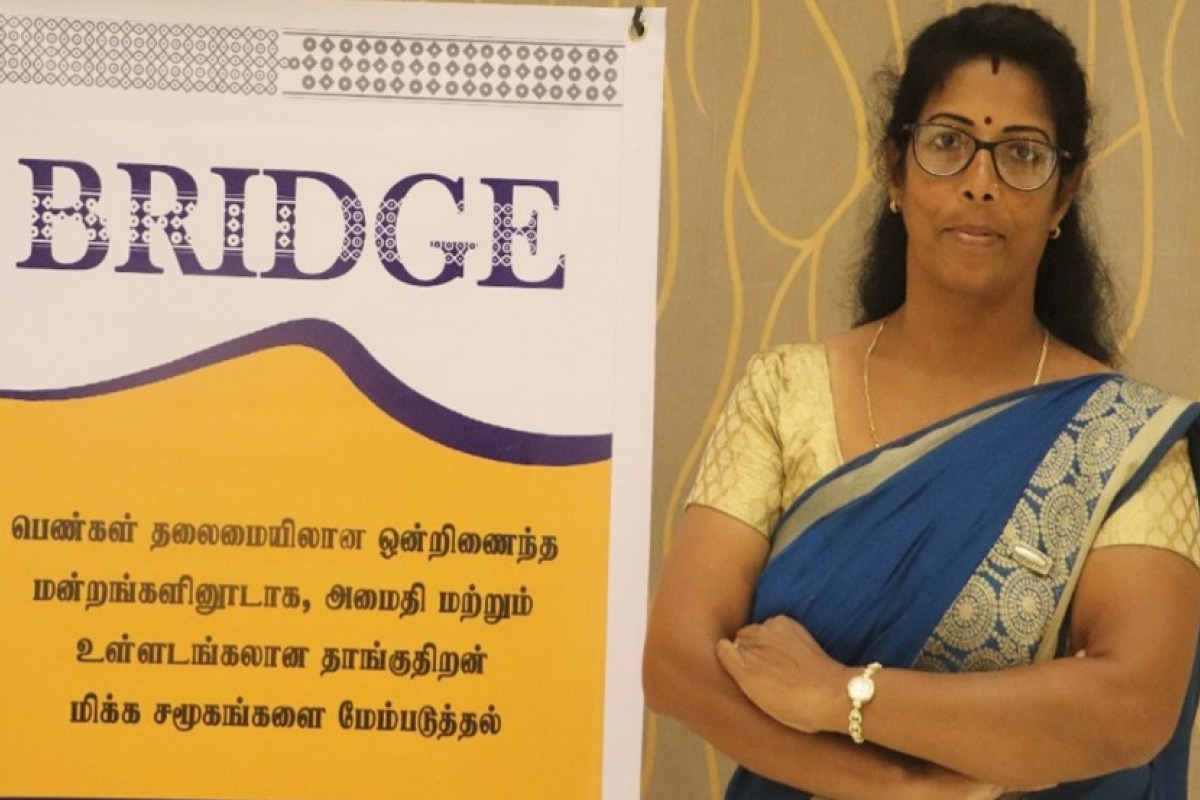
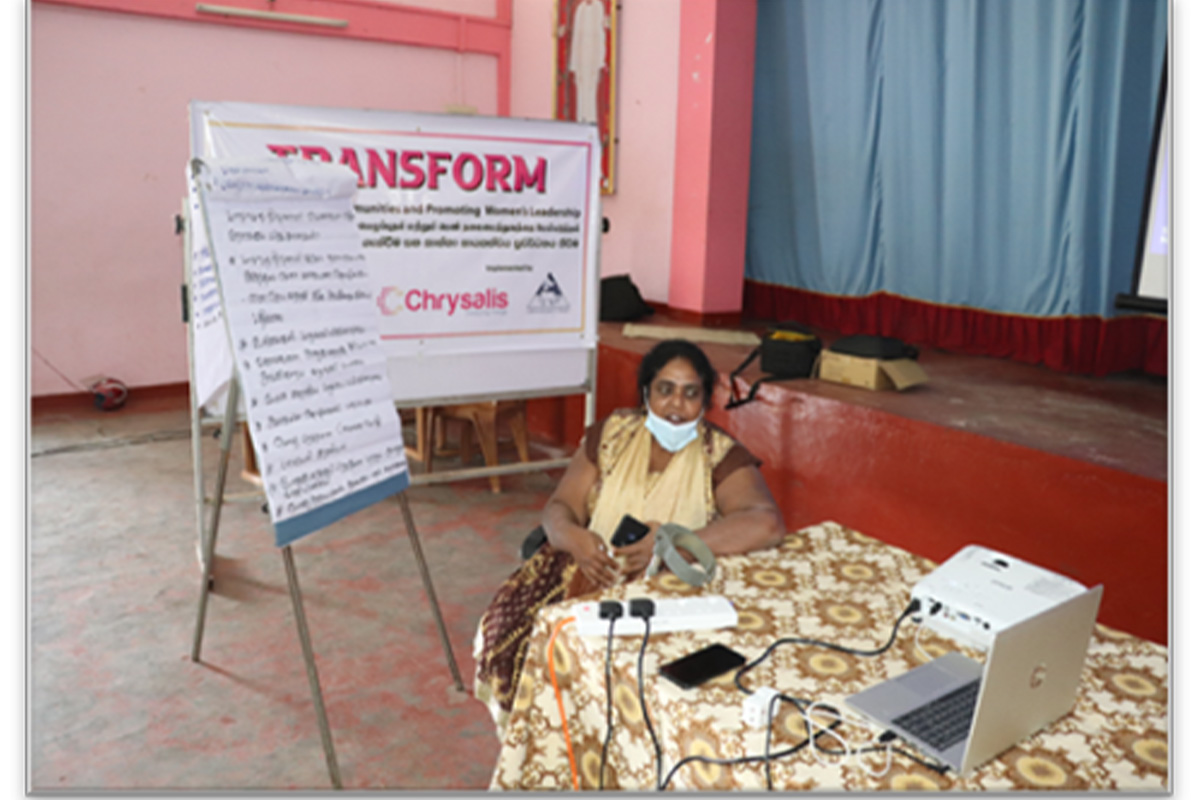
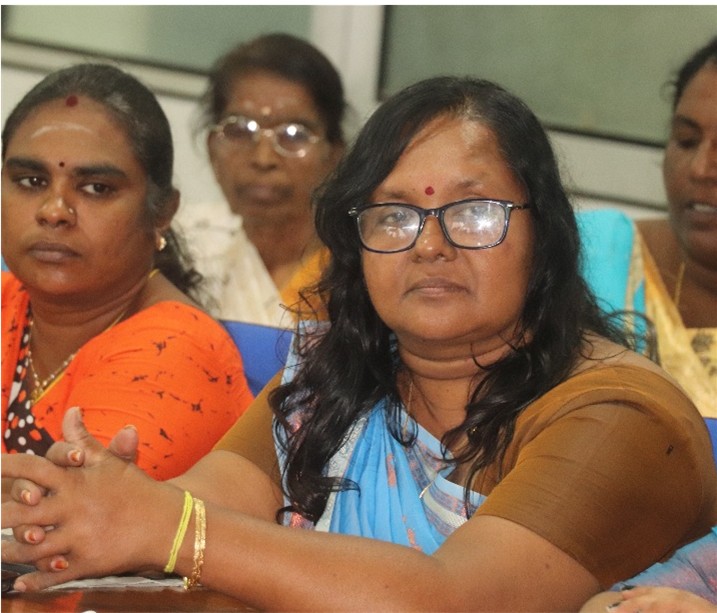
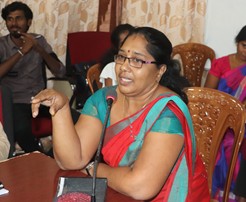
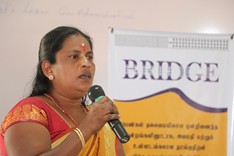
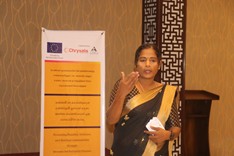
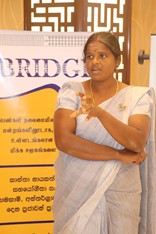
Leading the charge to transform public transport from a risk into a safe, dignified space is Ms. Kulagowry, Vice President of the Federation of Civil Society Organizations in Jaffna District
The Challenge: Invisible Hazards at Transit Hubs
Despite serving as the primary transit hub in Jaffna, the Central Bus Stand lacked fundamental protection infrastructure
Basic sanitation and essential facilities were similarly compromised
Strategic Interventions: Multi-Tiered Advocacy & Public Governance
Recognizing that transportation safety directly impacts women’s economic mobility, education, and healthcare access, Kulagowry orchestrated a multi-tiered advocacy campaign
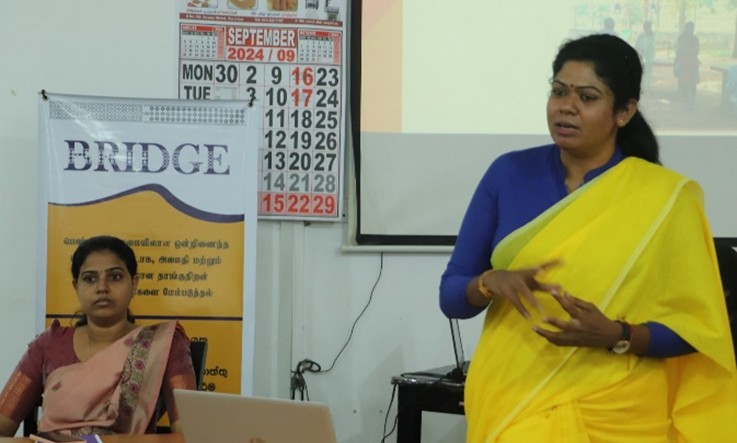
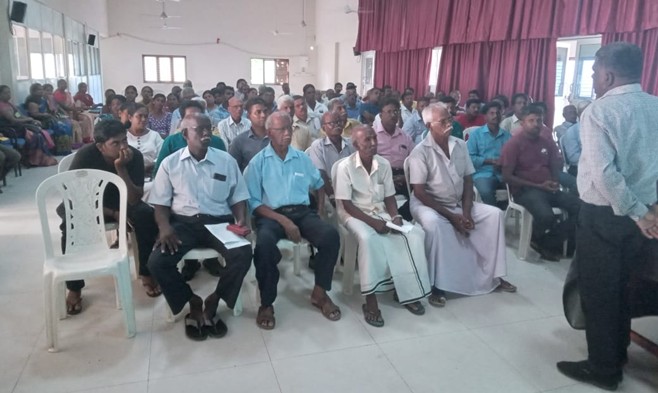
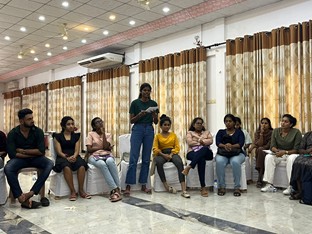
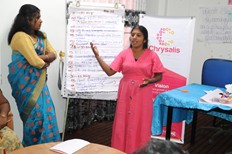
Cross-Level Awareness Sessions: Organized three structured awareness convenings targeting distinct governance tiers—engaging provincial health and road transport authorities, the Jaffna District Secretary alongside drivers and conductors, and local village-level stakeholders at the Kopay Divisional Secretariat
Institutional Grievance Mechanism: Partnered with the CSO Federation to install and take formal responsibility for a dedicated complaints box at the Jaffna Central Bus Stand
High-Level Formal Submissions: Coordinated a simultaneous formal petition delivered to the District Secretary, the Governor of the Northern Province, the Secretary of the Provincial Women's Ministry, and the Mayor of Jaffna Municipal Council requesting a permanent, 24-hour police booth
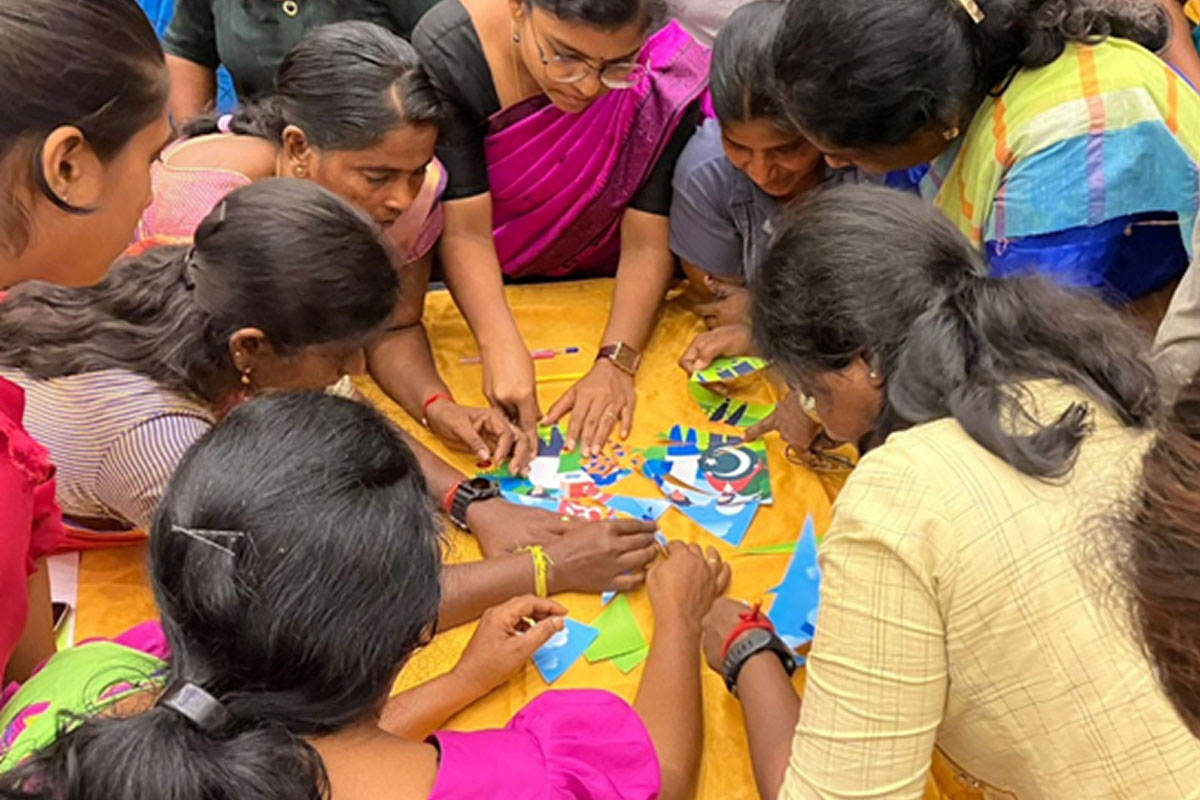
Digital Documentation & Capacity Transfer: Applied ICT skills to document cases and draft formal smartphone-based submissions, subsequently training approximately 40 participants across local women's societies to expand community advocacy capacity
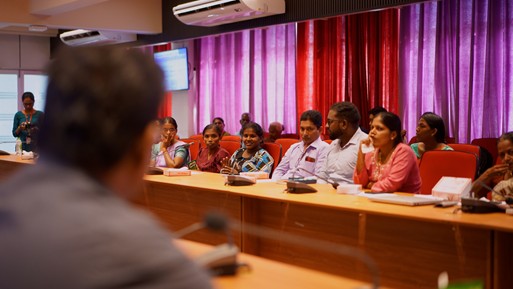
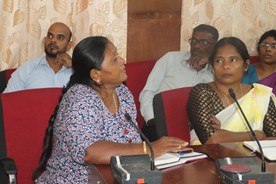
Sustained Governance Alliances: Facilitated a three-party advocacy coalition uniting the Civil Society Federation, the Town Hall platform, and the Jaffna District Women’s Political Council to ensure ongoing institutional oversight
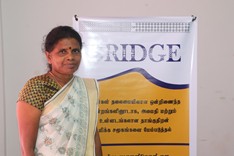
"BRIDGE was a path that helped us cross our challenges and find solutions. We now believe through persistent advocacy you can find solutions to long standing issues."
— Ms. Kulagowry, Vice President, Federation of Civil Society Organizations, Jaffna
Measurable Safety Improvements
Kulagowry’s persistent, evidence-based advocacy achieved concrete infrastructure and policy outcomes:
Operational Safety Alarm: Restored functionality to the central bus stand’s safety alarm system, providing an immediate emergency mechanism
Restructured Mother-Feeding Facility: Reorganized the mother-feeding room with a dedicated key-holder access system to prevent misuse and restore privacy and dignity for nursing mothers
Restroom Sanitation & Upgrades: Restored operational standards to two key public restrooms managed by the Jaffna Municipal Council and Sri Lanka Transport Board, accompanied by regular municipal waste removal
Visible Awareness: Installed public safety signage and rights stickers across the terminal to normalize the expectation of harassment-free public spaces
Broader Community Impact: Facilitated district town hall dialogues that connected over 100 community members with government officials, leading directly to clean drinking water interventions in Neervely
Looking Ahead: Institutionalizing Safe Spaces
Kulagowry’s initiative demonstrates that transit safety is a foundational rights issue
Other Case Studies
Discover how Chrysalis transforms challenges into impactful solutions through real-world projects that drive sustainable growth and meaningful change.